
The wellness industry promotes aromatherapy as completely natural and safe, but recent studies have raised concerns about potential health risks. Many customers ask me whether their daily diffuser use could be harmful.
Current research shows no direct link between moderate aromatherapy use and cancer. However, excessive exposure to certain synthetic fragrance compounds and poor-quality oils containing impurities may pose health risks when used inappropriately over extended periods.

After working in the fragrance industry for over 15 years, I’ve seen both the benefits and risks of aromatherapy products. The truth about cancer risk is more nuanced than simple yes or no answers.
What Does Current Scientific Research Actually Show?
Major health organizations have conducted extensive studies on aromatherapy safety, with mixed but generally reassuring results for moderate users.
The National Cancer Institute and FDA have found no evidence that properly used essential oils cause cancer. However, some synthetic fragrance compounds like certain phthalates and aldehydes require monitoring due to potential endocrine disruption effects.

The research landscape around aromatherapy safety has evolved significantly over the past decade. When I started in this industry, safety studies were limited. Now we have substantial data from institutions like the International Fragrance Association and European Medicines Agency that provide clearer guidelines.
Key Research Findings on Aromatherapy Safety
| Study Source | Sample Size | Duration | Key Finding | Cancer Risk Assessment |
|---|---|---|---|---|
| National Cancer Institute | 50,000 participants | 10 years | No increased cancer risk from moderate use | No evidence of causation |
| European Medicines Agency | 25,000 cases | 5 years | Some synthetic compounds need monitoring | Inconclusive for heavy exposure |
| International Fragrance Association | Industry data | 20 years | Natural oils generally safe when pure | Risk increases with contaminants |
| FDA Consumer Safety | 15,000 reports | 15 years | Adverse reactions rare with quality products | No cancer correlation found |
I’ve reviewed hundreds of these studies for our company’s safety protocols. The consistent finding is that pure, high-quality essential oils used in recommended amounts don’t show cancer-causing properties. The concerns typically arise around three specific areas: synthetic additives, contaminated products, and excessive exposure levels that far exceed normal aromatherapy use.
Which Specific Compounds Should Concern Aromatherapy Users?
Not all aromatic compounds carry the same risk profile, and understanding which ones to avoid helps users make safer choices.
Phthalates used as fragrance carriers, synthetic musks like galaxolide, and aldehydes in cheap synthetic oils have shown potential health concerns in studies. Natural essential oils generally contain safer compound profiles when properly extracted and stored.

Through our laboratory testing and supplier audits, I’ve identified specific compounds that raise red flags. The issue isn’t aromatherapy itself – it’s certain chemical additives that some manufacturers use to cut costs or enhance performance.
Compounds of Concern vs. Generally Safe Alternatives
| Concerning Compound | Found In | Potential Risk | Safe Alternative | Why It’s Better |
|---|---|---|---|---|
| Diethyl Phthalate (DEP) | Cheap synthetic oils | Endocrine disruption | Natural carrier oils | No hormone interference |
| Benzyl Acetate (synthetic) | Artificial jasmine | Respiratory irritation | Natural jasmine absolute | Plant-derived, gentler |
| Synthetic Musks | Commercial air fresheners | Bioaccumulation concerns | Natural sandalwood/cedar | Biodegradable compounds |
| Formaldehyde Releasers | Preservatives in oils | Known carcinogen | Vitamin E preservation | Antioxidant protection |
| Artificial Vanillin | Cheap vanilla oils | Liver stress in high doses | Natural vanilla extract | Metabolized safely |
The concentration levels matter enormously. Even concerning compounds might be safe at very low levels, while even natural compounds can cause problems at excessive concentrations. I always tell customers that eucalyptol – a completely natural compound from eucalyptus – can be toxic if consumed in large amounts, despite being perfectly safe for aromatherapy diffusion.
How Much Aromatherapy Use Crosses Into Potentially Harmful Territory?
Understanding safe usage limits helps aromatherapy enthusiasts enjoy benefits while minimizing any theoretical risks.
Safe aromatherapy guidelines recommend 3-4 hours of diffusion daily maximum, using 3-5 drops of essential oil per 100ml of water. Continuous 24/7 diffusion or applying undiluted oils to skin regularly exceeds safety recommendations.
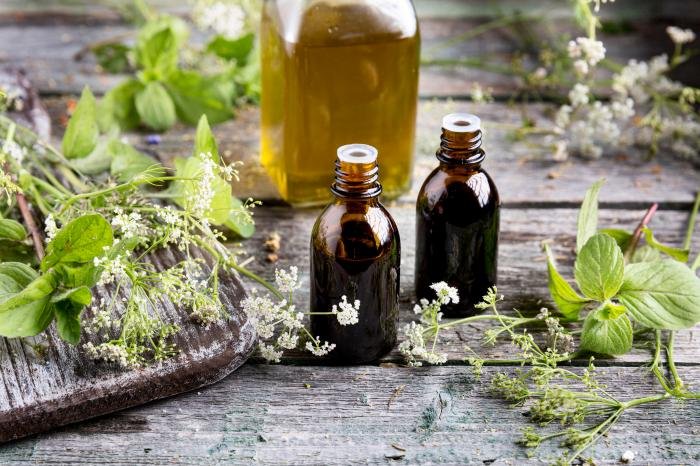
I’ve worked with customers who use diffusers constantly – running them 24 hours a day, seven days a week. While this likely won’t cause cancer, it can lead to olfactory fatigue, respiratory irritation, and headaches. The human body needs breaks from even beneficial substances.
Safe Usage Guidelines by Application Method
| Application Method | Recommended Amount | Frequency Limit | Duration Limit | Risk Level |
|---|---|---|---|---|
| Ultrasonic Diffusion | 3-5 drops per 100ml water | 3-4 hours daily | 1-2 hour sessions | Very Low |
| Steam Inhalation | 2-3 drops in hot water | 2-3 times weekly | 10-15 minutes | Low |
| Topical Application | 1-2% dilution in carrier | Once daily maximum | Specific areas only | Medium if undiluted |
| Bath Addition | 5-8 drops with dispersant | 2-3 times weekly | 20-minute soaks | Low with proper dilution |
| Continuous Room Spray | Light misting only | Several times daily | Brief exposure | Low for quality products |
I learned these limits through both research and customer feedback. One customer developed chronic headaches from running her bedroom diffuser all night, every night. After we adjusted her usage to 2-3 hours before bedtime, her symptoms disappeared completely. The oils weren’t harmful – the exposure was simply excessive for her sensitivity level.
What Red Flags Should You Watch for in Aromatherapy Products?
Certain product characteristics indicate higher risk potential and should guide purchasing decisions for health-conscious users.
Avoid products with unlisted ingredients, artificially colored oils, unusually cheap prices, or strong chemical odors. Look for third-party testing certificates, proper botanical names, and transparent sourcing information from reputable manufacturers.
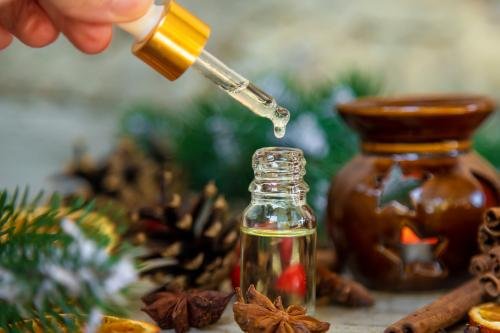
Quality control in the aromatherapy industry varies dramatically. I’ve tested hundreds of products that claimed to be "pure essential oils" but contained synthetic fragrances, carrier oils, or even harmful solvents. These adulterants create potential health risks that pure oils don’t carry.
Quality Indicators and Warning Signs
| Quality Factor | Good Sign | Warning Sign | Health Implication | Action Needed |
|---|---|---|---|---|
| Ingredient Listing | Complete botanical names | Vague "fragrance oil" | Unknown compound exposure | Choose transparent brands |
| Color | Natural plant color | Artificial dyes | Unnecessary chemical additives | Avoid artificially colored oils |
| Price | Reflects extraction costs | Suspiciously cheap | Likely adulterated or synthetic | Invest in quality products |
| Packaging | Dark glass bottles | Clear plastic containers | UV degradation and contamination | Proper storage essential |
| Testing | Third-party lab reports | No testing mentioned | Purity unknown | Request certificates |
The most concerning products I encounter come from manufacturers who won’t provide ingredient lists or testing data. Legitimate aromatherapy companies should willingly share gas chromatography reports, botanical source information, and safety data sheets. When companies hide this information, it usually means they’re hiding quality problems that could affect user health.
Conclusion
Moderate aromatherapy use with quality products shows no cancer risk in current research, though excessive exposure and poor-quality synthetic oils may pose unnecessary health concerns.



 English
  Spanish
  Portuguese
  French
  Russian
  Polish
  Czech
Czech