
Breaking News: Over 72% of indie perfume brands fail during the scaling process. Here’s how professional manufacturers prevent your dream fragrance from dying in sampling stage.
Stage 1: Decoding the Scent Strip
Problem: That perfect scent on paper may fail spectacularly in liquid form due to:
- Alcohol evaporation rates
- Skin chemistry interactions
- Top/middle/base note imbalances
Manufacturer Solutions:
- Gas Chromatography – Machine "reads" your scent strip’s molecular blueprint
- Trial Batches – Produces 5 variant formulations accounting for:
- Seasonal temperature swings
- Bottle material interactions
- Global regulatory differences


Stage 2: The Scaling Paradox
Why Your Handmade Formula Won’t Work at Scale
| Small Batch Issue | Large Batch Solution | Cost Impact |
|---|---|---|
| Variable oil purity | NMR spectroscopy testing | +$0.02/mL |
| Manual mixing errors | Computer-controlled reactors | -15% waste |
| Inconsistent aging | Accelerated stability chambers | Saves 6 weeks |
Hidden Challenge: That lovely cloudiness in your prototype? It means immediate regulatory rejection in EU/Asian markets. Professional manufacturers pre-test for:
- PH shifts
- Sunlight degradation
- Shipping vibration effects
Stage 3: Scent Zombification (The 200L Batch Problem)
Nightmare Scenario: Your 500kg batch smells nothing like your sample because:
- Industrial mixers introduce oxidation absent in small beakers
- Storage tanks leach metallic notes into delicate florals
- Piping systems retain traces of previous clients’ formulas
Pro Manufacturer Moves:
- Uses glass-lined reactors for fragile accords
- Implements CIP (Clean-in-Place) protocols between batches
- Conducts blind sniff tests at every 50L interval
Stage 4: The Packaging Trap
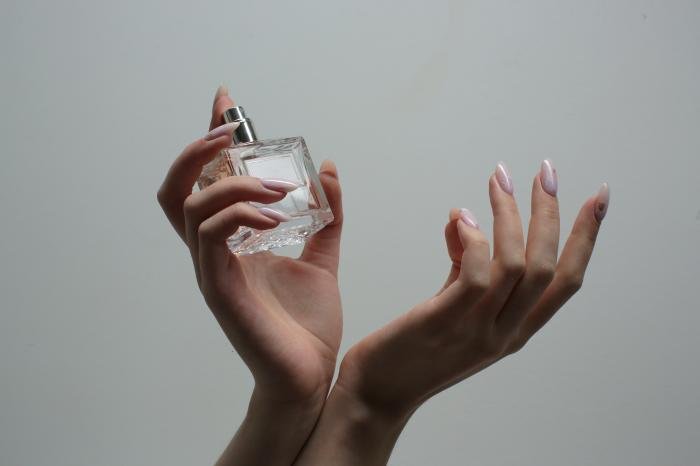
Shocking Fact: Over 43% of perfume defects originate from bottle/component interactions:
- Certain glass colors accelerate scent breakdown
- Spray mechanisms alter fragrance dispersion
- Adhesives can chemically mutate base notes
Manufacturer Safety Nets:
- 3-Month Material Testing – Bottles stored filled/empty in:
- 104°F heat
- -4°F cold
- 80% humidity
- Sprayer Particle Analysis – Measures droplet size distribution
- Cap Liner Compatibility – Prevents "wet cardboard" syndrome
Stage 5: Compliance Landmines
Global Regulations Every Client Overlooks
| Market | Hidden Requirement | Penalty Risk |
|---|---|---|
| EU | 82 banned allergens | Product destruction |
| China | Animal testing mandate | 6-month delay |
| California | VOC limits | $10k/day fines |
Smart Manufacturers:
- Pre-formulate region-specific versions
- Maintain IFRA compliance certificates
- Provide ready-to-submit documentation packets
Secret Weapon: The Olfactory Dashboard
Top-tier manufacturers now provide clients with:
✅ Real-time batch tracking (with scent profile graphs)
✅ Automated reformulation alerts (when ingredients dip below 50ppb)
✅ Scent "weather reports" (showing how humidity affects your formula)
Client Success Story:
A niche brand’s tropical coconut scent was failing stability tests until the dashboard revealed it needed +0.7% bergamot to anchor the top notes during transport. Resulted in 18 months shelf life versus initial 4-month prediction.
"Scaling perfume is alchemy meets rocket science – one wrong valve and your $20k batch smells like wet dog."
- Philippe Leclerc, Givaudan Master Perfumer



 English
  Spanish
  Portuguese
  French
  Russian
  Polish
  Czech
Czech