
As a scented candle factory with over a decade of frontline production experience, we face the same core question every day: How do we balance top-tier quality with strict cost control? For B2B clients, especially brand buyers and procurement managers, understanding the cost structure of a candle isn’t just about budget control—it’s the cornerstone of ensuring a product’s market competitiveness.
Many believe cost control is simply about "price squeezing." However, it’s actually a delicate balance between raw materials, production processes, and R&D investment. Today, we delve into the five key factors that impact scented candle production costs, backed by industry data, to show you the true value behind every dollar.
1. Wax Base Selection: The Natural vs. Performance Trade-off
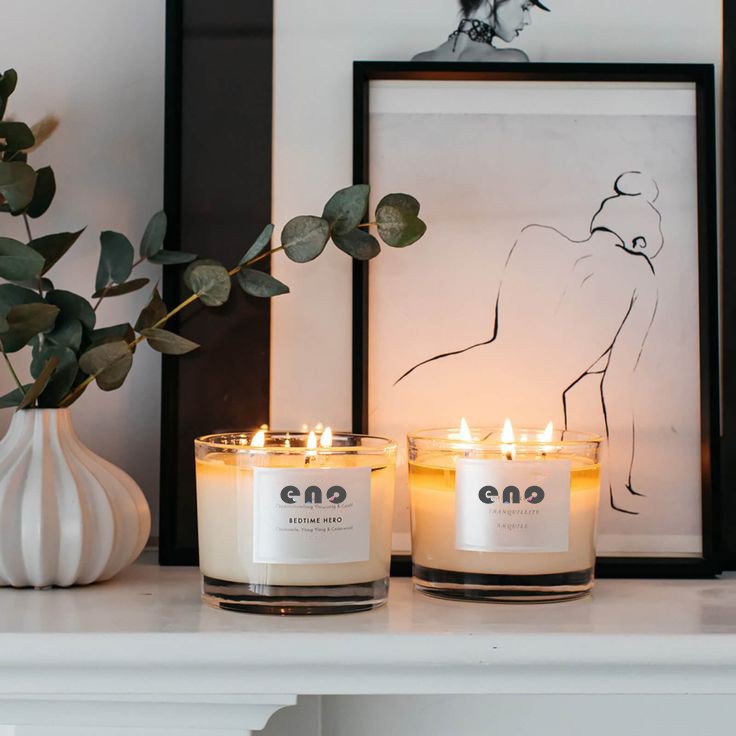
Wax forms the skeleton of a candle, directly determining burn time, eco-friendliness, and the baseline cost.
- Cost Side: Paraffin wax, a traditional petroleum by-product, is the cheapest option, costing between $1.50 and $2.50 per pound. Due to its excellent dye compatibility and strong scent throw, it remains widely used in the mass market .
- Quality Side: With the rise of the "clean beauty" trend, B2B clients increasingly prefer soy wax, coconut wax, or beeswax. For example, U.S.-grown soy wax can cost $3.50 to $6.00 per pound, almost double the price of paraffin. Although costly, its renewable nature, clean burn, and 30%-50% longer burn time compared to paraffin make it the top choice for high-end customization .
Factory Insight: To balance cost and performance, many manufacturers now use wax blends (like coconut-soy mixes). This approach maintains certain cost advantages while providing excellent fragrance retention and a clean burn line .
2. Fragrance Oil Purity and Concentration: The Price of the Soul
Fragrance is the soul of a candle and represents one of the largest cost variables.
- Standard Configuration: Mass-market candles typically use purely synthetic fragrance oils at a lower fragrance load (approx. 6%-8%). These oils are cheaper ($5-$10 per pound) but offer simple scent profiles and can sometimes smell chemical-like when burned at high temperatures .
- Luxury Configuration: High-end manufacturers (like those partnering with perfumers in Grasse, France) use complex fragrance blends, sometimes incorporating high-quality essential oils. Their fragrance load often reaches 10%-12% to ensure excellent cold throw and hot throw . These oils can cost $30 to $60 per pound, significantly increasing the cost per unit .
Factory Insight: Responsible suppliers provide IFRA certifications and GC-MS reports to ensure fragrances are phthalate-free and transparent in their allergen disclosure .
3. Wick Technology: The Key to Stability
The wick may be small, but it’s the "heart" of the combustion system.
Cheap candles might use wicks with a metal core (extremely low cost), but this leads to black smoke and harmful emissions during burning. High-quality candles use cotton or wooden wicks precisely engineered to match the wax and container diameter.
Factory Insight: In large-scale production, using digitally controlled wicking machines ensures every wick is perfectly centered, preventing burn issues like tunneling caused by misalignment. While this adds to equipment depreciation costs, it significantly reduces customer complaints—a necessary investment for B2B orders prioritizing a high on-time delivery rate .
4. Containers and Packaging: From Protection to Experience
Containers are more than just holders for wax; they carry the customer’s first impression.
- Basic Options: Standard universal glass jars with metal lids can cost under $1.
- Custom Options: Opting for hand-blown glass, ceramic vessels with wooden lids, or tin boxes supporting Pantone color customization can skyrocket container costs to $4-$6 or even more . Additionally, environmental pressure is reshaping packaging logic. Increasingly,欧美 buyers require PCR (Post-Consumer Recycled) materials or biodegradable options, which typically cost 20%-30% more than conventional plastics .
Factory Insight: We advise clients to adopt a tiered approach based on market positioning. For mass-market lines, use standardized containers paired with elegant screen printing or foil stamping. For gift lines, invest in reusable luxury containers to enhance the unboxing experience.
5. Production Scale and Labor Costs: The Art of Efficiency
Ultimately, cost control hinges on the design of the production workflow.
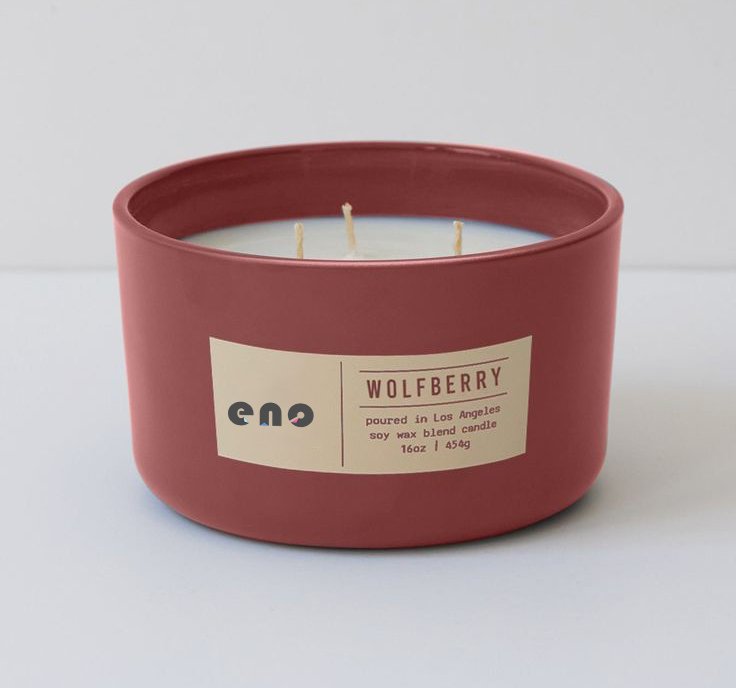
- Small-Batch Hand-Pouring: Ideal for startup brands testing the market; offers high flexibility but extremely high unit labor costs. A single artisan might hand-pour only dozens to a few hundred cups daily, requiring a 5-7 day curing period .
- Large-Scale Automated Production: As order volumes jump from hundreds to thousands or tens of thousands, economies of scale kick in. Advanced precision pouring equipment reduces wax waste, and automated assembly lines minimize human intervention. Industry data suggests optimizing processes and increasing scale can reduce unit costs by approximately 30% .
Factory Insight: Through workflow optimization, our production line controls sample delivery within 7-14 days and strictly manages mass production lead times within 15-25 days, maintaining an on-time delivery rate exceeding 95% to help clients mitigate supply chain risks .
Conclusion
In the scented candle industry, there’s always a lower price, but there is no ceiling on quality. As a factory, our responsibility isn’t just understanding the melting point of every wax or the stability of every fragrance. It’s about helping partners find that sweet spot—the perfect balance between cost and quality—within their budget.
We hope this deep dive serves as a useful tool in your scented candle knowledge base. If you have further questions about specific formulations or production processes, feel free to comment below or contact us for technical discussions.
[Factory Tip] When evaluating suppliers, buyers shouldn’t just focus on the unit price. Always request samples for a burn test: observe the melt pool for evenness, check for black smoke, and evaluate the scent throw after 2 hours of burning. This is the true test of whether the cost investment was worthwhile .





 English
  Spanish
  Portuguese
  French
  Russian
  Polish
  Czech
Czech