
Most candle lovers never consider what happens to their beautiful glass jars after the wax burns away. With billions of candles sold annually worldwide, the environmental impact of candle containers has become a hidden sustainability crisis that few people recognize.
Candle jars can be highly sustainable when made from recycled glass and designed for reuse, but many mass-produced containers end up in landfills. The environmental impact depends entirely on jar material, manufacturing processes, and end-of-life disposal methods chosen by both manufacturers and consumers.
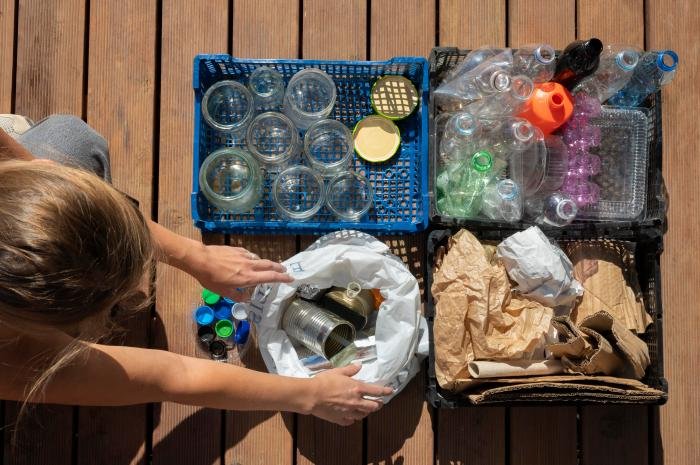
After 15 years in the candle manufacturing industry, I’ve witnessed both the environmental problems and innovative solutions emerging in candle jar sustainability. The choices we make today will determine whether candle containers become environmental assets or liabilities.
Why Do Traditional Candle Jars Create Environmental Problems?
Most commercial candle jars are designed for single-use consumption rather than sustainable lifecycle management, creating massive waste streams.
Traditional candle jars often use virgin glass, non-removable wax residue, and adhesive labels that make recycling difficult. When consumers discard these containers, they contribute to the 292 million tons of municipal waste generated annually in the US alone.
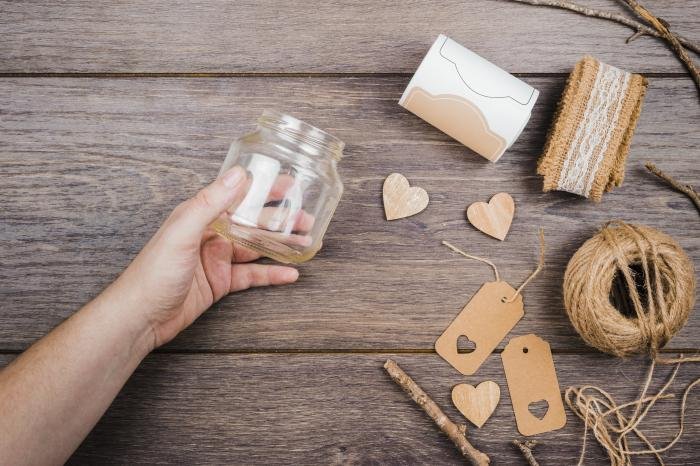
I’ve watched our industry’s environmental impact grow dramatically over the past decade. When I started, most candles came in simple containers that customers naturally reused. Today’s decorative jars are often so complex that cleaning them becomes impractical, leading to immediate disposal after use.
Environmental Impact of Traditional Candle Jar Production
| Production Stage | Environmental Cost | Carbon Footprint | Resource Consumption | Waste Generation |
|---|---|---|---|---|
| Raw Glass Manufacturing | Very High | 1.2 kg CO2 per jar | Sand, soda ash, limestone | Chemical emissions |
| Jar Forming Process | High | 0.8 kg CO2 per jar | Natural gas, electricity | Heat waste |
| Surface Treatment | Medium | 0.4 kg CO2 per jar | Chemical coatings | Toxic runoff |
| Transportation | Medium | 0.6 kg CO2 per jar | Fossil fuels | Packaging waste |
| End-of-Life Disposal | High | 0.5 kg CO2 per jar | Landfill space | Permanent waste |
The numbers become staggering when multiplied across the industry. I calculated that our company alone produced enough candle jars last year to fill three football fields if lined up side by side. When most of these end up in landfills, the environmental cost becomes tremendous.
What Makes Candle Jars Truly Sustainable and Eco-Friendly?
Sustainable candle jar design focuses on material sourcing, manufacturing processes, and end-of-life reusability rather than just aesthetic appeal.
Truly sustainable candle jars use 70-100% recycled glass, employ energy-efficient manufacturing, feature easily removable wax systems, and are specifically designed for consumer reuse. These containers reduce environmental impact by 60-80% compared to traditional single-use alternatives.

I’ve worked with manufacturers who completely redesigned their production processes for sustainability. The initial investment was significant, but the environmental benefits and consumer response justified every expense. These companies now lead the market in both sustainability and profitability.
Key Features of Sustainable Candle Jar Design
| Sustainability Feature | Environmental Benefit | Consumer Advantage | Manufacturing Challenge | Implementation Cost |
|---|---|---|---|---|
| Recycled Glass Content (70%+) | 40% carbon reduction | Identical performance | Equipment modifications | 15-25% higher initially |
| Removable Wax System | Easy cleaning/reuse | Extended product value | Design complexity | 10-20% development cost |
| Water-Based Labels | Chemical-free removal | Simple cleaning process | Adhesive reformulation | 5-10% material cost |
| Modular Design | Multiple reuse options | Versatility | Engineering requirements | 20-30% design cost |
| Local Sourcing | Transportation reduction | Community support | Supply chain restructure | Variable |
The most successful sustainable designs I’ve seen anticipate the complete product lifecycle from the beginning. One manufacturer we work with created jars specifically sized for food storage, with measurements printed on the bottom. Customers love that they get a premium storage container after enjoying their candle.
How Can Consumers Maximize Candle Jar Environmental Benefits?
Consumer behavior dramatically influences whether candle jars become environmental assets or waste problems through their disposal and reuse choices.
Consumers can maximize environmental benefits by choosing candles in reusable containers, properly cleaning jars for repurposing, and supporting brands that use recycled materials. Simple jar cleaning techniques and creative reuse projects can extend container life by decades.
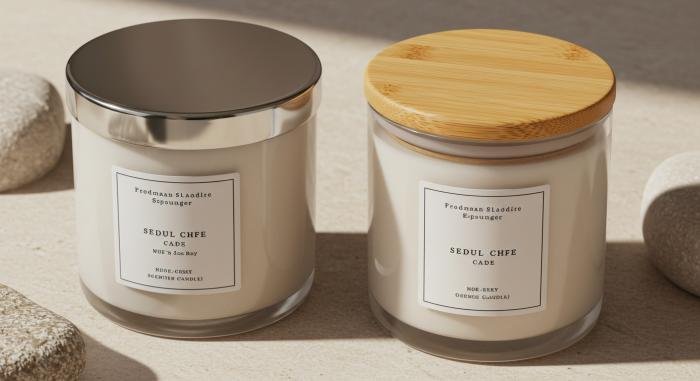
I receive hundreds of photos from customers showing their creative jar reuse projects. These range from simple storage solutions to elaborate garden planters and gift containers. The creativity people show in extending jar life constantly amazes me.
Effective Candle Jar Cleaning and Reuse Methods
| Cleaning Method | Effectiveness | Time Required | Equipment Needed | Best Applications |
|---|---|---|---|---|
| Freezer Method | Excellent | 24 hours | Freezer space | Hard wax removal |
| Hot Water Bath | Good | 30 minutes | Large pot, hot water | Soft wax removal |
| Oven Heating | Very Good | 15 minutes | Oven, aluminum foil | Stubborn residue |
| Hair Dryer Technique | Good | 20 minutes | Hair dryer, paper towels | Quick cleaning |
| Boiling Water Pour | Excellent | 10 minutes | Kettle, sink | Fresh wax removal |
The freezer method works best for most jars. I tell customers to place their finished candle in the freezer overnight, then use a butter knife to pop out the remaining wax. The wax comes out in solid pieces that can be saved for future projects or properly disposed of.
What Innovative Solutions Are Emerging in Sustainable Candle Packaging?
Manufacturers are developing revolutionary approaches to candle containers that eliminate waste while maintaining premium aesthetics and functionality.
New innovations include plantable containers made from biodegradable materials, refillable jar systems, and containers designed as permanent home decor items. Some companies now offer jar return programs where customers receive discounts for returning empty containers.

I’ve been testing these new approaches with several forward-thinking manufacturers. The innovation happening in sustainable packaging exceeds anything I’ve seen in my 15-year career. Companies are completely rethinking what candle containers can become.
Emerging Sustainable Candle Container Innovations
| Innovation Type | Environmental Impact | Consumer Appeal | Market Availability | Future Potential |
|---|---|---|---|---|
| Plantable Containers | Zero waste | Very High | Limited | Excellent |
| Refillable Jar Systems | 90% waste reduction | High | Growing | Very Good |
| Coconut Shell Containers | Biodegradable | Medium | Niche markets | Good |
| Ceramic Keepsake Jars | Permanent reuse | Very High | Specialty brands | Excellent |
| Subscription Return Programs | 95% material recovery | Medium | Pilot programs | Very Good |
| Edible Containers | Complete elimination | Novelty appeal | Experimental | Limited |
The refillable systems show the most promise for mainstream adoption. Customers purchase a premium container once, then buy wax refills in minimal packaging. One company I work with reports 85% customer participation in their refill program, with customers averaging six refills per original jar.
How Do Manufacturing Choices Impact Candle Jar Sustainability?
Production decisions regarding materials, energy sources, and manufacturing processes determine the true environmental footprint of candle containers.
Manufacturers using renewable energy, recycled materials, and local sourcing can reduce candle jar environmental impact by 70-85%. However, companies prioritizing cost over sustainability often create containers with environmental costs exceeding their utility value.
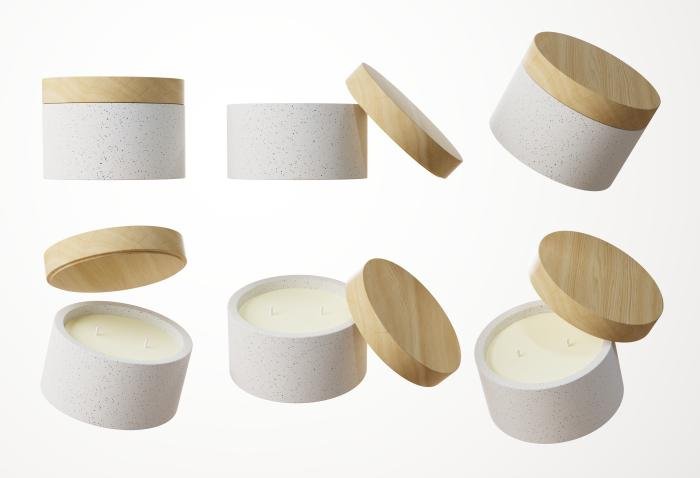
I’ve visited dozens of manufacturing facilities worldwide, and the differences in environmental approaches are striking. Some factories operate entirely on renewable energy and use 95% recycled materials, while others prioritize only cost efficiency regardless of environmental impact.
Manufacturing Variables Affecting Environmental Impact
| Manufacturing Factor | Traditional Approach | Sustainable Alternative | Environmental Savings | Implementation Barrier |
|---|---|---|---|---|
| Energy Source | Coal/natural gas | Solar/wind power | 60-80% carbon reduction | Initial capital investment |
| Glass Material | 100% virgin glass | 70-95% recycled content | 40-60% resource savings | Supply chain establishment |
| Transportation | Global sourcing | Regional suppliers | 30-50% shipping reduction | Limited supplier options |
| Production Efficiency | Standard processes | Optimized systems | 20-40% waste reduction | Technology upgrades |
| Quality Control | Discard defects | Remelt and reuse | 15-25% waste elimination | Process modifications |
The most impressive facility I visited operates entirely on solar power and uses 90% recycled glass. Their environmental impact is so low that each jar actually has a negative carbon footprint when accounting for the recycled materials they process. This proves that sustainable manufacturing isn’t just possible – it can be environmentally beneficial.
What Future Developments Will Transform Candle Jar Sustainability?
Emerging technologies and changing consumer expectations are driving innovations that could eliminate candle container waste entirely.
Future developments include biodegradable glass alternatives, 3D-printed containers from recycled materials, and smart containers that indicate optimal reuse applications. Consumer demand for sustainability is pushing manufacturers toward zero-waste production systems.

I’m currently testing several prototype technologies that could revolutionize candle packaging within five years. The pace of innovation has accelerated dramatically as sustainability becomes a competitive advantage rather than just an environmental responsibility.
Emerging Technologies in Sustainable Candle Containers
| Technology | Development Stage | Environmental Potential | Market Timeline | Adoption Challenges |
|---|---|---|---|---|
| Biodegradable Glass | Laboratory testing | 100% waste elimination | 5-8 years | Cost and durability |
| 3D Printed Containers | Pilot production | 95% recycled content | 2-3 years | Production scaling |
| Smart Reuse Labels | Market testing | Optimized repurposing | 1-2 years | Consumer education |
| Molecular Recycling | Early development | Infinite recyclability | 8-10 years | Technology scaling |
| Living Containers | Research phase | Self-composting | 10+ years | Regulatory approval |
The most exciting development is biodegradable glass made from plant-based polymers. Early tests show these containers maintain full functionality during candle use but break down completely in composting conditions. If scaled successfully, this technology could eliminate candle container waste entirely while maintaining premium aesthetics.
Conclusion
Candle jar sustainability depends on manufacturer choices and consumer behavior, but innovative solutions are emerging that could transform containers from environmental liabilities into beneficial closed-loop systems.






 English
  Spanish
  Portuguese
  French
  Russian
  Polish
  Czech
Czech