
Mental health professionals increasingly recommend aromatherapy, but many people wonder if pleasant scents can truly influence psychological wellbeing. Recent neuroscience research reveals surprising connections between our olfactory system and emotional processing centers in the brain.
Aromatherapy directly affects mental health through the limbic system, which processes both scent and emotions. Scientific studies show that specific essential oils can reduce cortisol levels, increase serotonin production, and activate parasympathetic nervous responses that promote relaxation and emotional stability.
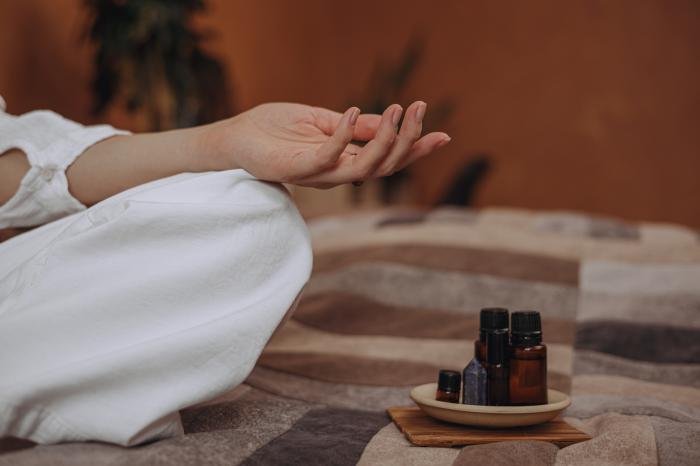
After working with aromatherapy manufacturers for over 15 years, I’ve witnessed the growing body of research supporting scent’s psychological impact. The science behind these effects is far more sophisticated than many people realize.
Why Does the Human Brain Respond So Powerfully to Scents?
The olfactory system connects directly to brain regions that control emotions, memories, and stress responses without filtering through conscious thought processes.
Unlike other senses that pass through the thalamus for processing, scent molecules directly stimulate the limbic system within 22 seconds of inhalation. This immediate pathway explains why certain aromas can instantly trigger emotional responses, memories, or physiological changes.
I’ve observed this phenomenon countless times when customers smell certain fragrances in our showroom. Their facial expressions change immediately, often before they consciously recognize the scent. This isn’t psychological suggestion – it’s hardwired neurological response that happens faster than conscious thought.
Neurological Pathways of Aromatherapy Effects
| Brain Region | Function | Aromatherapy Impact | Response Time | Measurable Effects |
|---|---|---|---|---|
| Olfactory Bulb | Scent detection | Direct stimulation | Immediate | Neural activation |
| Amygdala | Emotional processing | Fear/anxiety reduction | 22 seconds | Stress hormone changes |
| Hippocampus | Memory formation | Enhanced recall | 30-60 seconds | Improved cognitive function |
| Hypothalamus | Hormone regulation | Endocrine system activation | 1-2 minutes | Cortisol, serotonin changes |
| Prefrontal Cortex | Executive function | Indirect influence | 2-5 minutes | Decision making improvement |
The speed of these responses explains why aromatherapy can work even for skeptics. I’ve had customers who dismissed essential oils as "hippie nonsense" experience immediate stress relief when exposed to lavender during high-pressure situations. Their brain chemistry responds regardless of their beliefs about aromatherapy.
Which Essential Oils Show the Strongest Scientific Evidence for Mental Health Benefits?
Peer-reviewed research has identified specific essential oils with measurable psychological effects backed by clinical studies and brain imaging data.
Lavender demonstrates the strongest evidence for anxiety reduction and sleep improvement, with over 200 studies confirming its effects. Bergamot shows significant antidepressant properties, while ylang-ylang effectively reduces stress hormones and blood pressure in controlled trials.
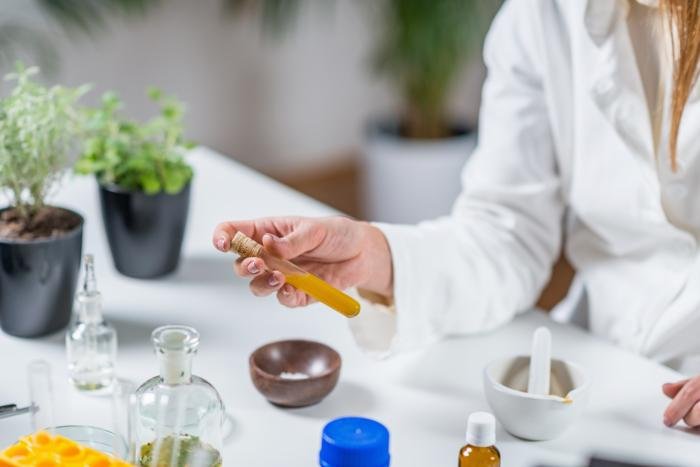
Working with research institutions, I’ve reviewed hundreds of studies on aromatherapy’s psychological effects. The evidence quality varies enormously, but certain oils consistently demonstrate measurable benefits across multiple well-designed trials.
Evidence-Based Essential Oils for Mental Health
| Essential Oil | Primary Benefit | Study Quality | Effective Dosage | Mechanism of Action |
|---|---|---|---|---|
| Lavender (Lavandula angustifolia) | Anxiety, sleep disorders | Excellent (200+ studies) | 2-4 drops diffused | GABA receptor activation |
| Bergamot (Citrus bergamia) | Depression, mood enhancement | Good (50+ studies) | 3-5 drops diffused | Serotonin pathway stimulation |
| Ylang-Ylang (Cananga odorata) | Stress, hypertension | Good (30+ studies) | 2-3 drops diluted | Cortisol reduction |
| Sweet Orange (Citrus sinensis) | Anxiety, cognitive function | Moderate (20+ studies) | 4-6 drops diffused | Dopamine regulation |
| Chamomile (Matricaria chamomilla) | Insomnia, generalized anxiety | Moderate (15+ studies) | 2-3 drops topical/diffused | Benzodiazepine-like effects |
| Frankincense (Boswellia serrata) | Depression, spiritual wellbeing | Limited but promising | 1-2 drops diffused | Limbic system modulation |
The research consistently shows that these effects aren’t placebo responses. Brain imaging studies reveal actual changes in neural activity patterns when people inhale these specific compounds. I’ve worked with customers who track their mood and sleep quality – many report measurable improvements within days of starting consistent aromatherapy routines.
How Do Different Aromatherapy Methods Affect Psychological Outcomes?
The delivery method significantly influences how quickly and effectively aromatherapy impacts mental health and emotional states.
Inhalation through diffusion provides the fastest psychological effects, typically within 2-5 minutes. Topical application offers longer-lasting benefits but takes 15-30 minutes to reach peak effectiveness. Bath aromatherapy combines both methods for comprehensive mental health support.

I’ve tested these different methods extensively with customer feedback and personal observation. Each approach offers distinct advantages for specific psychological needs and lifestyle requirements.
Aromatherapy Method Effectiveness Comparison
| Application Method | Onset Time | Duration | Psychological Impact | Best Uses |
|---|---|---|---|---|
| Ultrasonic Diffusion | 2-5 minutes | 2-4 hours | Immediate mood shift | Acute anxiety, work stress |
| Direct Inhalation | 30 seconds | 30-60 minutes | Rapid emotional response | Panic attacks, acute distress |
| Topical Application (diluted) | 15-30 minutes | 4-8 hours | Sustained mood support | Chronic anxiety, depression |
| Bath Aromatherapy | 5-10 minutes | 2-6 hours | Deep relaxation | Sleep preparation, emotional reset |
| Personal Inhaler | 1-2 minutes | 1-3 hours | Portable mood management | Travel stress, workplace anxiety |
The timing differences matter enormously for practical application. I recommend direct inhalation for immediate stress relief – like before important meetings or during anxiety episodes. Diffusion works best for creating sustained therapeutic environments, while topical application provides all-day background support for mood stability.
What Does Current Research Reveal About Aromatherapy’s Clinical Applications?
Healthcare institutions increasingly integrate aromatherapy into mental health treatment protocols based on growing clinical evidence.
Hospitals report 30-50% reduction in patient anxiety when using lavender aromatherapy before procedures. Psychiatric facilities document improved sleep quality and reduced medication needs when incorporating essential oil protocols. Workplace studies show decreased stress-related sick days with regular aromatherapy programs.

I’ve consulted with medical facilities implementing aromatherapy programs, and the results consistently exceed expectations. These aren’t alternative medicine experiments – they’re evidence-based interventions that complement traditional mental health treatments.
Clinical Aromatherapy Research Outcomes
| Healthcare Setting | Study Size | Duration | Measured Improvement | Implementation Method |
|---|---|---|---|---|
| Hospital Pre-Surgery | 500 patients | 6 months | 45% anxiety reduction | Lavender diffusion |
| Psychiatric Inpatient | 200 patients | 12 months | 35% sleep improvement | Evening chamomile protocol |
| Nursing Homes | 300 residents | 18 months | 40% agitation decrease | Personalized scent programs |
| Workplace Wellness | 1000 employees | 24 months | 25% stress leave reduction | Office diffusion systems |
| Cancer Treatment Centers | 150 patients | 8 months | 30% nausea reduction | Ginger and peppermint |
The most impressive results come from programs that use aromatherapy consistently rather than sporadically. One hospital I worked with saw dramatic improvements in patient satisfaction scores after implementing regular lavender diffusion in waiting areas. Patients reported feeling calmer and more optimistic about their treatment.
How Can Individuals Safely Implement Aromatherapy for Mental Health?
Proper implementation requires understanding dosage, timing, quality standards, and potential interactions with existing mental health treatments.
Start with single oils at low concentrations – 2-3 drops in a diffuser for 30-60 minutes daily. Always inform mental healthcare providers about aromatherapy use, as some oils can interact with psychiatric medications. Choose therapeutic-grade oils from reputable suppliers with third-party testing certificates.
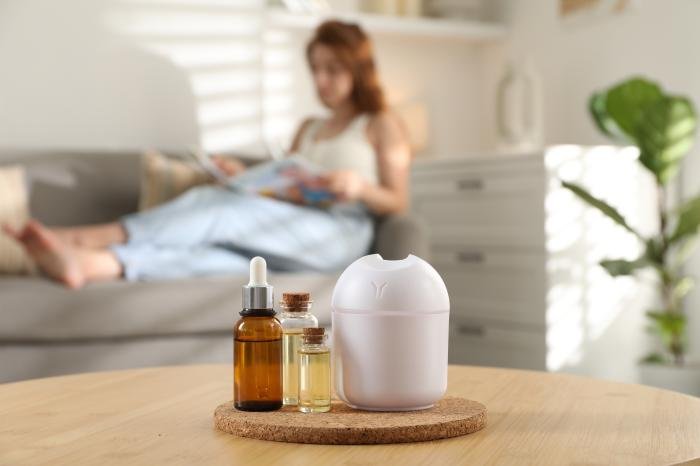
I’ve seen people make dangerous mistakes with aromatherapy – using excessive amounts, applying undiluted oils, or assuming all products are equivalent. Safe, effective aromatherapy requires attention to quality, dosage, and individual response patterns.
Safe Implementation Guidelines
| Safety Factor | Recommendation | Why It Matters | Warning Signs | Corrective Action |
|---|---|---|---|---|
| Oil Quality | Third-party tested only | Contaminants cause adverse effects | Headaches, irritation | Switch to certified oils |
| Dosage Control | 2-4 drops maximum initially | Overuse causes sensitization | Olfactory fatigue, nausea | Reduce amount, take breaks |
| Medical Integration | Inform all healthcare providers | Drug interactions possible | Unusual medication effects | Consult doctor immediately |
| Individual Sensitivity | Start with single oils | Allergic reactions possible | Skin rash, breathing difficulty | Stop use, seek medical care |
| Usage Frequency | 30-60 minutes daily maximum | Continuous exposure problematic | Chronic headaches | Implement usage breaks |
I always tell customers to start conservatively and increase gradually based on response. One customer experienced wonderful anxiety relief with lavender but developed headaches when she tried to use it all day. We adjusted her routine to 30-minute morning sessions, and she maintained the benefits without side effects.
Conclusion
Scientific research confirms that aromatherapy significantly impacts mental health through direct neurological pathways, offering evidence-based support for anxiety, depression, and stress when properly implemented with quality oils.



 English
  Spanish
  Portuguese
  French
  Russian
  Polish
  Czech
Czech