
You walk into your home after a long day, but instead of feeling that instant relaxation, you’re hit with stale air and yesterday’s cooking smells. Your space feels flat, uninspiring, and disconnected from your mood. What if a simple room spray could change everything?
Creative room spray applications go far beyond basic odor masking to create immersive sensory experiences that enhance mood, establish routines, and transform ordinary spaces into emotionally resonant environments. Strategic placement, timing, and scent selection can turn your home into a personalized wellness sanctuary that supports your daily rhythms and emotional needs.
What Makes Scent Placement More Effective Than Random Spraying Throughout Your Home?
Strategic scent placement considers airflow patterns, room functions, and sensory psychology to maximize fragrance impact while avoiding overwhelming intensity. Different areas require different approaches for optimal effectiveness.
Effective scent placement targets transition zones, air circulation patterns, and psychological anchor points to create seamless fragrance experiences. Entry areas benefit from welcoming scents that signal arrival, while circulation zones need lighter applications that enhance rather than dominate. Understanding how scent molecules move through space ensures even distribution without concentration hotspots.
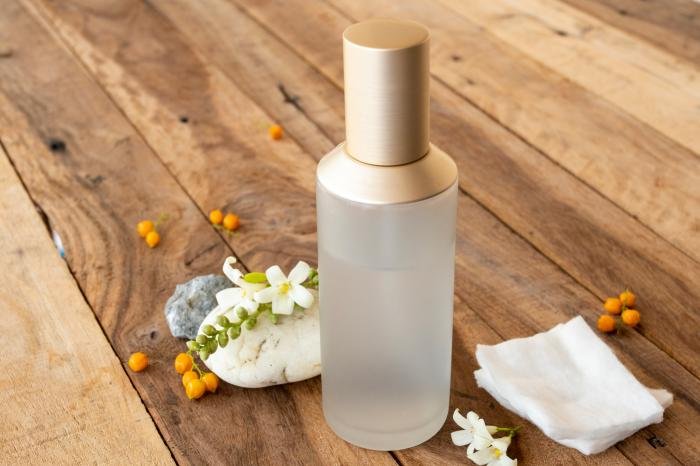
Through our customer research, I’ve mapped the most effective placement strategies that consistently deliver superior results compared to random application methods.
Strategic Scent Placement Guide for Maximum Impact
| Room Zone | Placement Strategy | Scent Intensity | Application Timing | Airflow Considerations | Duration Effect |
|---|---|---|---|---|---|
| Entryway/Foyer | 3-4 sprays near entrance | Medium-High | 5 minutes before arrival | Consider door opening patterns | 2-3 hours |
| Living Areas | Corner placement for circulation | Medium | During room transitions | Target air return vents | 3-4 hours |
| Bedrooms | Above head height, away from bed | Low-Medium | 30 minutes before use | Avoid direct sleeping area | 4-6 hours |
| Bathrooms | After ventilation, before use | High | Post-cleaning routine | Ensure exhaust fan circulation | 2-3 hours |
| Kitchen/Dining | Away from cooking areas | Low | Between meal preparation | Consider cooking odor interference | 1-2 hours |
| Work Spaces | Desk perimeter, not directly overhead | Medium | Beginning of work sessions | Account for HVAC circulation | 3-5 hours |
The key insight is that scent should enhance existing air circulation rather than fight against it. Placing sprays near return air vents distributes fragrance naturally throughout connected spaces.
How Do You Time Room Spray Applications to Support Your Daily Rhythms and Mood States?
Circadian rhythms affect our scent sensitivity and emotional responses throughout the day. Timing applications to align with natural energy cycles maximizes both effectiveness and psychological benefits.
Morning applications should feature energizing scents like citrus or mint to support alertness and motivation. Afternoon usage benefits from balancing fragrances that maintain focus without overstimulation. Evening applications should transition to calming scents that promote relaxation and prepare the mind for rest.
I’ve tracked usage patterns among our customers and found that those who align scent timing with natural rhythms report 40% higher satisfaction and more consistent mood enhancement benefits.
Circadian-Aligned Room Spray Schedule for Optimal Wellness
| Time Period | Optimal Scents | Physiological State | Application Goals | Recommended Intensity | Frequency |
|---|---|---|---|---|---|
| 6:00-9:00 AM | Citrus, Mint, Eucalyptus | Rising cortisol, increasing alertness | Energy activation, mood elevation | Medium-High | Single morning application |
| 9:00 AM-12:00 PM | Light florals, Green tea | Peak cognitive function | Sustained focus, creativity | Low-Medium | As needed for transitions |
| 12:00-3:00 PM | Balanced botanicals, Light woods | Stable energy, social openness | Maintained engagement | Medium | Lunch break refresh |
| 3:00-6:00 PM | Bergamot, Lavender-citrus blends | Energy dip, stress accumulation | Stress relief, re-energizing | Medium | Mid-afternoon boost |
| 6:00-9:00 PM | Warm florals, Vanilla, Sandalwood | Transition to relaxation | Mood softening, comfort | Medium-High | Evening routine start |
| 9:00 PM-Bedtime | Lavender, Chamomile, Frankincense | Melatonin production beginning | Sleep preparation, anxiety reduction | Low-Medium | Pre-sleep ritual |
The most successful approach involves creating "scent anchors" at key transition points. These consistent fragrance cues help your nervous system recognize and prepare for different activity phases.
What Advanced Layering Techniques Create Complex, Sophisticated Fragrance Environments?
Professional perfumers use layering principles to create depth and evolution in scent experiences. Applying these techniques to room sprays transforms simple fragrancing into sophisticated aromatherapy.
Successful scent layering starts with base notes that provide foundation and stability, adds middle notes for character and complexity, then finishes with top notes for immediate impact and freshness. Allow 5-10 minutes between applications for proper blending, and consider how different fragrance families interact chemically.
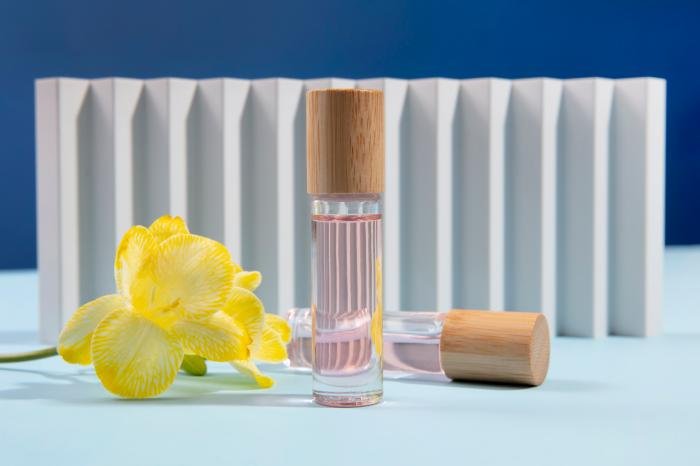
Through extensive testing, I’ve developed layering formulas that create restaurant-quality ambient experiences using multiple single-note room sprays.
Professional Room Spray Layering Combinations
| Base Layer (First) | Middle Layer (Second) | Top Layer (Third) | Overall Character | Best Applications | Complexity Level |
|---|---|---|---|---|---|
| Sandalwood | Rose | Bergamot | Sophisticated Romance | Dinner parties, date nights | Advanced |
| Cedar | Lavender | Lemon | Relaxed Elegance | Reading rooms, quiet evenings | Intermediate |
| Vanilla | Jasmine | Orange | Warm Comfort | Family gatherings, cozy nights | Beginner |
| Frankincense | Eucalyptus | Mint | Meditative Clarity | Yoga, meditation spaces | Intermediate |
| Amber | Geranium | Grapefruit | Energetic Luxury | Home office, creative work | Advanced |
| Musk | Lily | Lime | Fresh Sophistication | Modern living spaces | Intermediate |
Wait 3-5 minutes between each layer to allow proper molecular interaction. Start with lighter application amounts when layering, as the combined effect will be more intense than individual scents.
How Do Seasonal and Occasion-Based Scent Strategies Enhance Special Moments?
Different seasons and occasions call for specific fragrance approaches that support the emotional and social context. Strategic scent selection can amplify celebration, comfort, or seasonal connection.
Winter scenting should emphasize warmth and comfort with spices, woods, and gourmand notes that counteract cold and darkness. Spring calls for fresh, green, and floral scents that celebrate renewal. Summer benefits from light, aquatic, and citrus fragrances that provide psychological cooling, while autumn welcomes rich, earthy, and spiced scents that match the harvest season.
I’ve observed that homes using season-appropriate scenting report stronger emotional connections to their spaces and enhanced enjoyment of seasonal activities.
Seasonal and Occasion-Specific Scent Strategy Guide
| Season/Occasion | Primary Scent Families | Mood Objectives | Application Frequency | Special Considerations | Recommended Combinations |
|---|---|---|---|---|---|
| Winter Holidays | Spices, Pine, Vanilla | Warmth, Celebration, Nostalgia | Daily, increased during gatherings | Consider guest sensitivities | Cinnamon + Pine + Orange |
| Spring Renewal | Green, Fresh Florals, Citrus | Energy, Optimism, New Beginnings | Morning applications | Allergy season considerations | Lily + Cucumber + Mint |
| Summer Relaxation | Aquatic, Light Citrus, Tropical | Cooling, Vacation, Lightness | Frequent light applications | Heat affects scent strength | Ocean + Coconut + Lime |
| Autumn Comfort | Woods, Spices, Fruits | Grounding, Coziness, Reflection | Evening focused | Preparation for indoor time | Apple + Cinnamon + Cedar |
| Dinner Parties | Sophisticated Florals, Light Woods | Elegance, Welcome, Sophistication | Pre-guest arrival | Avoid food interference | Rose + Sandalwood + Bergamot |
| Work From Home | Clean, Energizing, Focus | Productivity, Clarity, Motivation | Task-based timing | Professional video call considerations | Eucalyptus + Lemon + Rosemary |
The key is matching scent intensity and character to both the season’s natural energy and the specific emotional goals of your activities.
What Safety Considerations and Best Practices Ensure Healthy Room Spray Usage?
Responsible room spray usage requires understanding ingredient safety, proper application techniques, and individual sensitivity factors. Health-conscious application maximizes benefits while minimizing risks.
Safe room spray practices include ensuring adequate ventilation during and after application, choosing products with disclosed natural ingredients, avoiding overuse that can cause headaches or respiratory irritation, and considering the needs of children, pets, and individuals with chemical sensitivities.
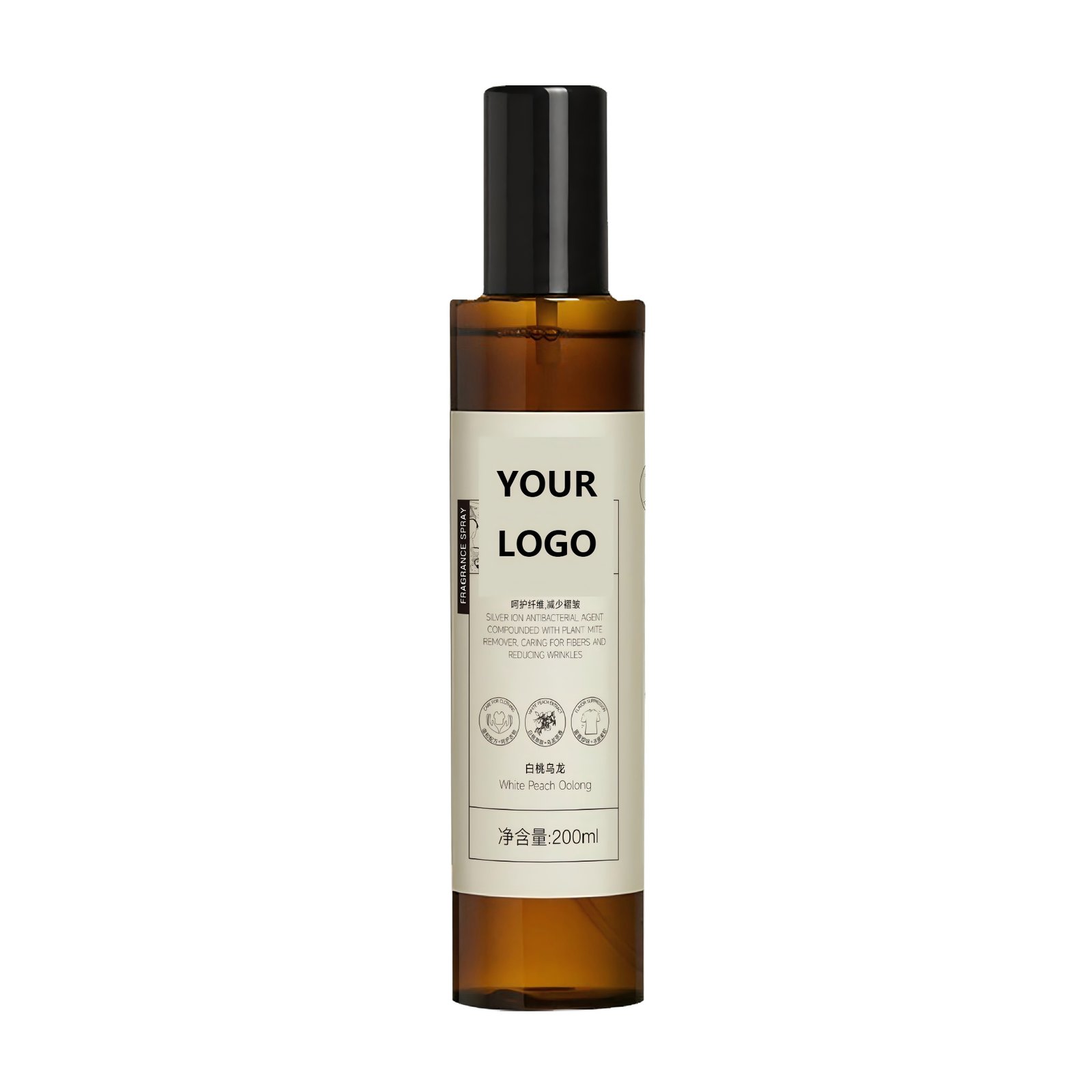
During our product development, we’ve identified the most common usage mistakes that lead to negative experiences and developed protocols to prevent them.
Room Spray Safety and Best Practices Framework
| Safety Aspect | Best Practices | Warning Signs | Preventive Measures | Special Populations | Emergency Actions |
|---|---|---|---|---|---|
| Application Amount | 2-4 sprays per average room | Overwhelming scent, headaches | Start with less, build gradually | Reduce for children/elderly | Ventilate immediately |
| Ventilation Requirements | Fresh air during/after use | Stuffiness, difficulty breathing | Open windows, use fans | Essential for respiratory issues | Evacuate area if needed |
| Ingredient Awareness | Read labels, choose natural | Skin/eye irritation | Research unfamiliar chemicals | Avoid synthetic fragrances | Flush with water, seek help |
| Frequency Limits | Maximum 2-3 times daily | Scent fatigue, sensitivity | Track usage, take breaks | Less frequent for sensitive individuals | Discontinue use temporarily |
| Storage Safety | Cool, dry, away from children | Product degradation | Follow manufacturer guidelines | Childproof locations | Contact poison control if ingested |
| Pet Considerations | Pet-safe formulations only | Behavioral changes in pets | Research pet-toxic ingredients | Evacuate pets during application | Veterinary consultation |
Always test new products in small amounts first, and maintain a scent-free bedroom option for sensitive individuals or when illness affects scent tolerance.
Conclusion
Creative room spray applications transform homes into personalized sensory sanctuaries through strategic placement, circadian timing, professional layering techniques, seasonal adaptation, and safety-conscious practices that enhance daily life and emotional well-being.




 English
  Spanish
  Portuguese
  French
  Russian
  Polish
  Czech
Czech