
In today’s saturated candle market, differentiation is no longer a luxury—it is a necessity. With countless brands vying for consumer attention, the question is no longer "How do we make a good candle?" but rather "How do we make a candle that stands out?"
At ENO Aroma, with over a decade of manufacturing experience, we have witnessed firsthand how product innovation transforms B2B partnerships. The most successful collaborations are not those where we simply execute a client’s existing concept, but those where we co-create products with genuine Unique Selling Points (USPs) —distinctive features that capture consumer imagination, justify premium positioning, and build lasting brand loyalty.
This article explores the landscape of candle innovation, examining emerging trends, technical considerations, and practical pathways for developing candles that truly stand out.

1. Understanding the USP Framework
A Unique Selling Point is not merely a feature—it is a compelling reason for a consumer to choose one product over another. In candle development, USPs can be categorized into several dimensions:
| USP Category | Popis | Příklad |
|---|---|---|
| Material Innovation | Novel wax compositions, wick technologies, or container materials | Coconut wax blends, wooden wicks, recycled glass vessels |
| Sensory Experience | Distinctive fragrance profiles, burn characteristics, or multi-sensory elements | Layered scents, color-changing wax, crackling wicks |
| Functional Benefits | Added utility beyond fragrance | Air-purifying candles, insect-repellent candles, mood-enhancing formulations |
| Udržitelnost | Environmental responsibility claims | Carbon-neutral production, plastic-free packaging, upcycled containers |
| Aesthetic Design | Visual differentiation through shape, color, or packaging | Geometric vessels, embedded botanicals, sculptural forms |
| Cultural/Emotional Connection | Storytelling and brand narrative alignment | Limited editions, heritage-inspired scents, collaboration series |
The most powerful candles often combine multiple USP dimensions. A candle with a wooden wick (sensory experience) made from coconut wax (material innovation) in a reusable ceramic vessel (sustainability) offers consumers multiple compelling reasons to purchase.
2. Material Innovation: Beyond Traditional Wax
The foundation of any candle is its wax. While paraffin, soy, and beeswax remain industry staples, innovative manufacturers are exploring alternatives that offer distinct advantages.
2.1 Coconut Wax
Coconut wax has emerged as a premium alternative in recent years. Derived from cold-pressed coconut meat, this wax offers:
- Vynikající hod vůně: Coconut wax has excellent fragrance retention and release properties, often requiring lower fragrance loads to achieve strong scent performance
- Clean burn: Produces minimal soot and burns more completely than many traditional waxes
- Aesthetic appeal: Smooth, creamy appearance with excellent glass adhesion
- Sustainability credentials: Renewable source with lower environmental impact compared to paraffin
For B2B clients seeking a premium positioning, coconut wax—particularly when blended with soy—offers a compelling combination of performance and marketability.
2.2 Apricot Wax
Apricot wax is a newer entrant gaining traction in the premium segment. Made from apricot kernel oil, it features:
- Exceptional cold throw: Strong scent release even when unlit
- Unique texture: Distinctive crystalline appearance that appeals to discerning consumers
- Natural composition: 100% plant-based, appealing to clean-beauty and natural-lifestyle consumers
2.3 Rapeseed Wax
Rapeseed wax is gaining popularity in European markets particularly. Derived from rapeseed oil, it offers:
- Local sourcing appeal: European-grown rapeseed resonates with consumers seeking regional ingredients
- Excellent burn properties: Hard wax with good heat stability
- Cost-effectiveness: Often more affordable than soy or coconut alternatives
2.4 Custom Blends
Many innovative candles utilize custom wax blends that optimize multiple performance parameters. For example:
- Soy-coconut blends: Balance affordability with premium performance
- Soy-rapeseed blends: Combine soy’s natural positioning with rapeseed’s burn stability
- Coconut-apricot blends: Maximize fragrance throw and visual appeal for ultra-premium positioning
2.5 Novel Wick Technologies
Wick innovation offers another avenue for differentiation:
| Typ knotu | Unique Characteristics | Odvolání spotřebitelů |
|---|---|---|
| Wooden Wicks | Crackling sound; wider melt pool | Auditory sensory experience; rustic aesthetic |
| Multi-wick Configurations | Even burn; dramatic visual | Luxury presentation; faster melt pool formation |
| Self-trimming Wicks | Minimal maintenance | Convenience; cleaner burn |
| Colored Wicks | Visual coordination with candle | Aesthetic cohesion; brand alignment |
3. Sensory Experience Innovation
The sensory dimension of candles extends far beyond fragrance alone. Innovative products engage multiple senses simultaneously.
3.1 Layered and Transitional Scents
Traditional candles maintain a consistent fragrance profile throughout their burn life. Layered scents offer a dynamic experience:
- Multi-layer pours: Different fragrance layers poured sequentially, each revealing as the candle burns
- Phased release: Formulations where different notes emerge over time—top notes initially, heart notes after 2-3 hours, base notes in the final third
- Color-coded layers: Visual cues indicating fragrance transitions
These dynamic scent experiences create consumer engagement and encourage repeat purchases as users seek to experience the full progression.
3.2 Dual-Phase and Multi-Phase Systems
Products that offer multiple states or functions within a single candle:
- Solid-to-liquid systems: Solid at room temperature but liquefy when warmed, enabling multi-functional use
- Candle-melt hybrids: Products that function as both a traditional candle and a wax melt
- Interchangeable inserts: Refillable systems allowing consumers to change scents without replacing the vessel
3.3 Auditory Elements
Sound adds an unexpected sensory dimension:
- Crackling wooden wicks: Provide subtle auditory feedback reminiscent of a fireplace
- Embedded materials: Shells, seeds, or other natural elements that create sound as the candle burns (must be carefully placed to maintain safety)
- Harmonic resonance: Vessel shapes designed to produce specific acoustic properties when burned
3.4 Visual Dynamics
Moving beyond static visual appeal:
- Color-changing wax: Pigments that shift color as temperature changes during burning
- Reveal layers: Hidden imagery or text that appears as wax melts
- Thermochromic vessels: Containers that change color with heat, providing visual feedback
- Embedded botanicals: Dried flowers, herbs, or crystals suspended in translucent wax
4. Functional Candles: Beyond Fragrance
Consumers increasingly seek products that deliver measurable benefits beyond ambiance.
4.1 Air-Purifying Candles
Candles formulated with ingredients that actively improve air quality:
- Activated charcoal: Natural absorption of odors and impurities
- Negative ion release: Certain salts and minerals emit negative ions when heated, which may bind with airborne particles
- Essential oil selection: Specific oils with documented antimicrobial properties (eucalyptus, tea tree, lavender)
Claims in this category must be carefully substantiated to avoid regulatory issues, but properly validated formulations offer significant differentiation.
4.2 Mood-Enhancing Formulations
Candles positioned for specific emotional or physiological benefits:
| Benefit | Formulation Approach |
|---|---|
| Podpora spánku | Lavender, chamomile, valerian; low-melt-point waxes for longer burn time |
| Energy/Focus | Peppermint, rosemary, citrus; stimulating essential oil blends |
| Snížení stresu | Bergamot, frankincense, sandalwood; slow, steady burn profiles |
| Meditation/Spiritual | Palo santo, sage, cedar; often combined with crystals or ritual elements |
4.3 Insect-Repellent Candles
Outdoor-focused candles formulated with natural insect-repelling compounds:
- Citronella: Traditional insect-repelling essential oil
- Lemongrass and eucalyptus: Alternative repellent profiles with broader consumer appeal
- Geranium and lavender: Dual-purpose scents that repel insects while offering pleasant fragrance
These products command premium pricing in outdoor living and hospitality segments.
4.4 Multi-Functional Vessels
Containers designed for extended utility:
- Reusable vessels: Ceramic, glass, or metal containers designed for repurposing after the candle is consumed
- Integrated planters: Vessels with drainage features for post-candle planting
- Drinkware: Candle containers designed as cups, mugs, or glasses after cleaning
5. Sustainability as a USP
Environmental responsibility has moved from niche concern to mainstream expectation. Innovative candles embed sustainability throughout the product lifecycle.
5.1 Carbon-Neutral and Carbon-Negative Positioning
Manufacturers are increasingly calculating and offsetting carbon footprints:
- Production emissions: Energy used in manufacturing, transportation
- Raw material sourcing: Sustainable agriculture practices
- Offset programs: Verified carbon offset projects (reforestation, renewable energy)
- Carbon-negative claims: Products that sequester more carbon than they emit (e.g., using agricultural byproducts as raw materials)
5.2 Plastic-Free Packaging
Complete elimination of petroleum-based plastics:
- Paper-based wraps: Molded pulp, recycled paperboard
- Biodegradable films: Plant-based alternatives for shrink wrap
- Glass and metal containers: Infinitely recyclable materials
- Natural fillers: Wood wool, shredded paper, dried botanicals instead of plastic bubble wrap
5.3 Upcycled and Recycled Materials
Using materials that would otherwise become waste:
- Upcycled glass: Reclaimed wine bottles, jars from food service
- Agricultural byproducts: Wax from coconut processing, fibers from agricultural waste for packaging
- Recycled metals: Aluminum vessels from post-consumer recycled content
5.4 Zero-Waste Manufacturing
Process innovations that eliminate production waste:
- Closed-loop wax systems: Reclaiming and reusing production waste
- Precise filling technology: Minimizing over-pours and spillage
- Bulk packaging options: Reducing individual packaging waste for B2B shipments
6. Aesthetic and Design Innovation
Visual differentiation remains a powerful tool for standing out on crowded shelves.
6.1 Vessel Innovation
Beyond traditional cylindrical glass containers:
- Geometric forms: Angular, faceted, or asymmetrical shapes
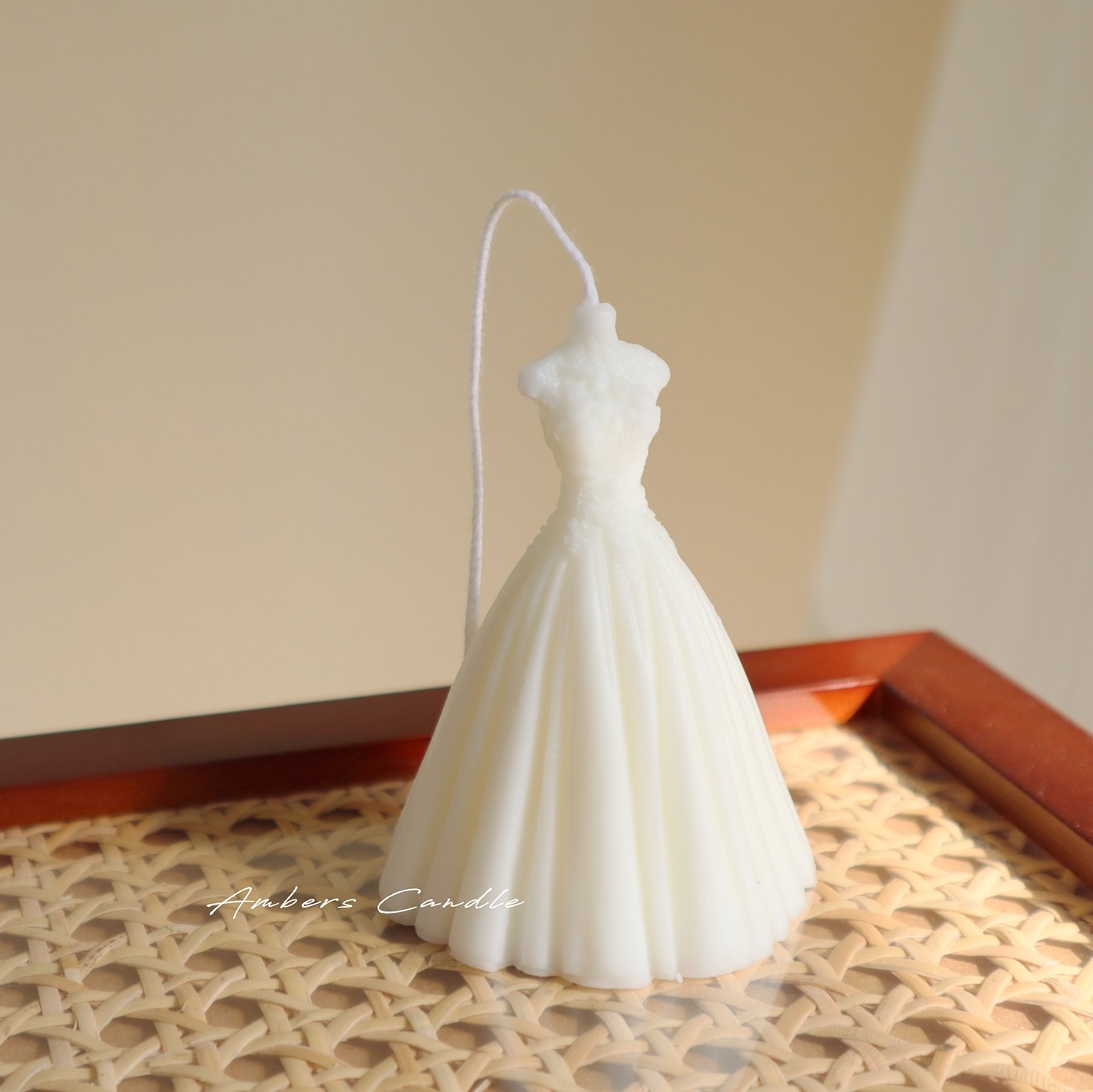
- Sculptural vessels: Figurative or abstract forms that serve as decorative objects after the candle is finished
- Textured surfaces: Frosted glass, ribbed patterns, hand-applied finishes
- Color integration: Colored glass that coordinates with wax or packaging
6.2 Embedded Botanicals
Dried flowers, herbs, and crystals suspended in wax create visual interest:
- Surface embedments: Decorative elements visible on the candle top
- Full-body suspension: Botanicals distributed throughout translucent wax
- Encapsulated elements: Objects sealed within clear wax layers
Safety consideration: Embedded materials must be placed away from the wick to prevent ignition hazards. Proper testing is essential.
6.3 Artistic Surface Treatments
Wax surfaces treated for visual effect:
- Marble effects: Swirled patterns created by combining waxes of different colors
- Crackle finishes: Controlled frosting or crystallization for rustic appeal
- Hand-painted details: Artisanal touches for premium positioning
6.4 Transformative Design
Candles that change form as they burn:
- Reveal structures: Internal shapes that become visible as wax melts away
- Burn-through designs: Patterns or imagery that appear in the wax as the candle burns
- Collapsing forms: Candles designed to transform structurally during burning
7. Technical Considerations for Innovative Candles
Innovation must be grounded in technical feasibility and safety. The most creative concepts are meaningless if they cannot be consistently manufactured or fail in the field.
7.1 Compatibility Testing
Every innovative element must be tested for compatibility:
- Wax-additive compatibility: Fragrance oils, dyes, and decorative elements must remain stable in the wax matrix
- Wick-performance alignment: Wick selection must account for unique wax blends, additives, and vessel geometries
- Vessel-wax interaction: Novel containers require testing for adhesion, thermal expansion, and structural integrity
7.2 Safety Validation
Innovative features introduce new safety considerations:
- Burn testing: Extended testing under various conditions to verify flame height, melt pool temperature, and burn time
- Embedment safety: Decorative elements must not create flame extension, smoking, or ignition hazards
- Testování stability: Novel vessel shapes must be stable on various surfaces
- Transportation testing: Packaging must protect innovative designs during shipping
7.3 Manufacturing Scalability
Not every innovative concept translates to reliable production:
- Process development: New techniques may require custom equipment or specialized training
- Yield optimization: Complex designs often have higher rejection rates
- Lead time considerations: Custom components (vessels, packaging) extend production timelines
7.4 Regulatory Compliance
Innovative claims must be legally supportable:
- Claim substantiation: Functional claims (air purification, insect repellency) require testing data
- Material restrictions: Some novel materials may face regulatory scrutiny
- Labeling requirements: Sustainability claims must be verifiable and comply with advertising regulations
8. Pathways to Innovation: Collaboration Models
Developing innovative candles is most successful as a collaborative process between brand and manufacturer.
8.1 Co-Development Approach
In this model, brand and manufacturer jointly develop new products:
- Idea generation: Brand contributes market insights, consumer trends, and creative concepts
- Technical feasibility: Manufacturer evaluates manufacturability, cost implications, and safety considerations
- Iterative prototyping: Multiple rounds of refinement balancing creative vision with production reality
- Scale-up: Graduated production from prototypes to pilot runs to full manufacturing
8.2 Manufacturer-Led Innovation
For brands seeking innovation but lacking internal R&D capacity:
- Technology showcase: Manufacturer presents emerging technologies and material innovations
- Přizpůsobení: Existing innovations adapted to brand positioning and aesthetic requirements
- Exclusive arrangements: Some manufacturers offer exclusive rights to certain innovations for specific markets or channels
8.3 Supplier Partnerships
Innovation often requires collaboration across the supply chain:
- Wax suppliers: Access to novel wax formulations and custom blends
- Fragrance houses: Collaboration on unique scent profiles and fragrance delivery systems
- Packaging manufacturers: Custom vessel development and sustainable packaging solutions
9. Market Validation and Launch
Even the most innovative product requires careful market validation.
9.1 Consumer Testing
Before full-scale production:
- Concept testing: Qualitative feedback on product concepts, positioning, and price points
- In-home trials: Extended use testing to validate burn performance and fragrance experience
- Packaging evaluation: Shelf appeal, usability, and sustainability perceptions
9.2 Launch Strategy Considerations
Innovative candles benefit from strategic launch approaches:
- Limited editions: Test demand with controlled production runs
- Channel exclusivity: Build momentum through strategic retail partnerships
- Storytelling emphasis: The innovation story is as important as the product itself
- Influencer seeding: Credible third-party validation accelerates adoption
10. Case Examples: Successful Candle Innovation
10.1 Wooden Wick Candles
Wooden wicks transformed a commodity category by adding auditory and visual sensory dimensions. Key success factors:
- Technical mastery: Consistent manufacturing of wooden wicks requires specialized expertise
- Vzdělávání spotřebitelů: Clear instructions on wick maintenance ensured positive user experience
- Prémiové umístění: The sensory differentiation justified higher price points
10.2 Coconut Wax Blends
Coconut wax emerged as a premium alternative by combining performance with sustainability storytelling. Key success factors:
- Performance superiority: Demonstrably better fragrance throw than standard soy
- Sustainability narrative: Renewable sourcing appealed to environmentally conscious consumers
- Texture differentiation: Visual and textural differences reinforced premium positioning
10.3 Reusable Vessel Systems
Candles designed for vessel reuse created ongoing consumer engagement. Key success factors:
- Design quality: Vessels desirable as standalone decorative objects
- Refill availability: Accessible refill systems encouraged repeat purchases
- Brand loyalty: Extended engagement beyond a single purchase cycle
Conclusion: Innovation as a Continuous Process
At ENO Aroma, we view innovation not as a one-time project but as a continuous process of exploration and refinement. The most successful products emerge from sustained collaboration between brands who understand their consumers and manufacturers who understand materials, processes, and technical constraints.
For our B2B partners, this means:
- Access to emerging technologies: Early visibility into new materials, processes, and capabilities
- Technical partnership: Expert guidance through the innovation development process
- Manufacturing capability: The production expertise to scale innovative concepts reliably
- Zajištění kvality: Rigorous testing to validate that innovation does not compromise safety or performance
Ready to develop candles with genuine Unique Selling Points? Contact ENO Aroma to discuss your innovation goals and explore how our manufacturing expertise can bring your vision to market.


 Czech
Czech  English
  Spanish
  Portuguese
  French
  Russian
  Polish