
In the world of fragrance, "niche" has evolved from a market segment into a cultural phenomenon. Once the hidden treasure of connoisseurs seeking alternatives to mass-market designer scents, niche perfumes have now captured the imagination of consumers worldwide. But as these once-exclusive brands gain mainstream popularity, a critical question emerges: How can niche perfume brands stand out in an increasingly crowded market?
At ENO Aroma, with over a decade of manufacturing expertise, we have witnessed firsthand the transformation of the fragrance industry. We understand that for B2B partners—whether emerging indie brands or established players launching niche lines—the path to differentiation requires more than just a pleasant scent. It demands strategic positioning, authentic storytelling, and manufacturing excellence.
This article explores the defining characteristics of niche perfume brands, the market forces shaping their evolution, and actionable strategies for standing out in a competitive landscape.
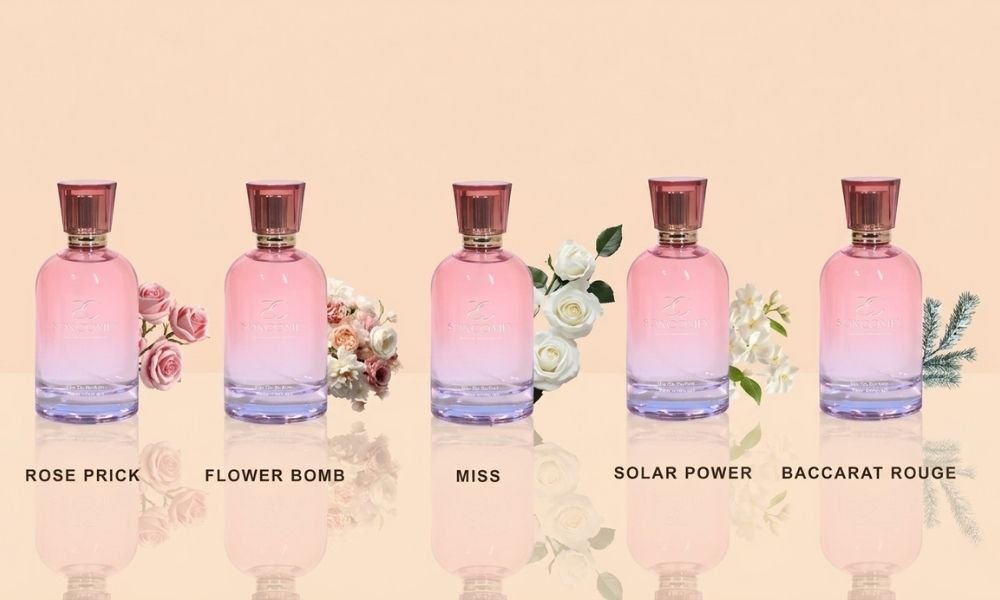
1. Defining Niche Perfume: Beyond Exclusivity
The term "niche perfume" was originally coined to distinguish small, independent fragrance houses from luxury fashion brands and mass-market perfumers. But exclusivity alone does not define a niche brand.
As industry experts explain, "While limited distribution can be a trait of a niche brand, the main characteristics are clear intention, distinct storytelling, thoughtful craftsmanship, and a unique approach to ingredient selection."
1.1 Key Characteristics of Niche Fragrance Brands
| Characteristic | Niche Brand Approach | Mass-Market Approach |
|---|---|---|
| Creative Freedom | Unconstrained by focus groups; perfumer-led | Market-tested; trend-driven |
| Ingredient Quality | Premium, often rare or natural materials | Cost-optimized synthetics |
| Storytelling | Authentic, brand-specific narratives | Universal appeal, celebrity associations |
| Distribution | Selective boutiques, direct-to-consumer | Wide retail presence, department stores |
| Měřítko výroby | Small batches, limited quantities | Mass production, global availability |
| Cenový bod | Premium to ultra-luxury | Accessible to premium |
1.2 Niche vs. Salon: A Note on Terminology
In many markets, "niche" and "salon" fragrances are used interchangeably—both referring to brands dedicated exclusively to fragrance, without fashion or accessory lines. However, some distinguish salon fragrances as those produced by houses with a physical "salon" or boutique presence, while niche encompasses a broader range of independent perfumers.
2. The Market Landscape: Growth, Competition, and Opportunity
2.1 Global Market Growth
The niche fragrance segment has experienced explosive growth. According to industry data, the global prestige perfume category continues to expand steadily. In recent years, new fragrance launches have increased significantly, with niche fragrances accounting for a growing share—representing a substantial year-over-year increase and dramatic growth since the early 2000s.
The Chinese market, in particular, has become a battleground for niche brands. With the market expected to reach significant milestones, growing at a compound annual rate substantially above the global average, both international and domestic niche brands are racing to capture share.
2.2 The Investment Wave
Luxury conglomerates have taken notice of the niche segment’s potential. Major acquisitions and investments have occurred across the industry, signaling strong confidence in the long-term viability of niche fragrance brands.
What makes these investments particularly telling is that many successful niche brands are distinguished not by marketing hype but by "professionalism"—emphasizing quality raw materials, ethical sourcing, artisanal production, and unique artistic vision.
2.3 The Challenge of Standing Out
However, as the market saturates, the very "niche" status that once guaranteed differentiation is becoming diluted. As fragrance experts note, "While new brands are springing up like mushrooms, very few can last long. Brands that truly stand firm possess consistency: outstanding fragrance, a powerful brand story, and flexible marketing strategies."
3. Strategies for Standing Out: A Manufacturer’s Perspective
From our vantage point as a fragrance manufacturer at ENO Aroma, we have observed the strategies that separate successful niche brands from those that fade into obscurity.
3.1 Authentic Storytelling
In an era of information overload, authenticity is the most valuable currency. Niche brands must tell stories that resonate genuinely with their target audience.
Key Elements of Authentic Storytelling:
- Founder narratives: Personal connections to fragrance—whether a family legacy, a transformative experience, or a lifelong passion
- Ingredient provenance: Transparent sourcing stories that highlight where and how raw materials are grown and harvested
- Cultural connections: Local inspirations that feel genuine, not appropriated
Practical Tip for B2B Partners: When developing your brand story, identify the authentic connection between your brand and fragrance. Is it a personal memory? A cultural heritage? A philosophical commitment? This becomes the foundation of all marketing communication.
3.2 Ingredient Excellence and Transparency
Today’s fragrance consumers are more educated than ever. They read ingredient lists, research sourcing practices, and demand transparency.
What Works:
- High-quality raw materials: Premium niche fragrances can afford raw material costs that would be unthinkable in mass-market fragrance, where cost per kilo is tightly constrained
- Clean formulations: Many successful niche brands have built their positioning on "luxury without compromise"—clean ingredients, sustainability, and full ingredient transparency
- Supply chain visibility: Leading manufacturers now provide documentation from farm to finished goods, supporting certification and audits
Practical Tip for B2B Partners: Work with manufacturers who can provide batch-specific Certificates of Analysis (CoA), allergen disclosures aligned with IFRA standards, and stability testing documentation.
3.3 Scarcity and Limited Production
One of the most effective strategies for maintaining niche status is intentional scarcity.
Implementation Approaches:
- Limited quantities: Producing each fragrance in very limited quantities creates genuine rarity and exclusivity
- Single-scent launches: Rather than overwhelming the market with a full collection, debuting with a single fragrance builds anticipation through waitlist systems
- Exclusive distribution: Focusing on selective, high-quality retail partners rather than mass distribution preserves brand cachet
Practical Tip for B2B Partners: Consider a phased launch strategy—debut with one or two hero scents before expanding to a full collection. This allows you to test demand, refine positioning, and maintain an aura of exclusivity.
3.4 Sensory and Packaging Innovation
In a crowded market, the physical product must deliver an experience that justifies its premium positioning.
Areas for Innovation:
| Area | Innovation Examples |
|---|---|
| Design láhve | Artisanal glasswork, unique shapes, custom finishes that reflect brand identity |
| Sustainable Packaging | Compostable components, fully recycled materials, infinitely recyclable containers |
| Concentration Variants | "Intense" or "Extrait" versions of popular scents offering deeper, longer-lasting experiences |
Practical Tip for B2B Partners: Invest in packaging that tells your brand story. Whether it’s artisanal craftsmanship or environmental responsibility, the packaging should reinforce your brand’s core message.
3.5 Community Building and Direct Engagement
Modern niche brands succeed not through mass advertising but through cultivating passionate communities.
Effective Community Strategies:
- Waitlist systems: "Founding members" programs give early access and exclusive content to those who sign up before launch
- Social media engagement: Platforms like TikTok and Instagram have democratized fragrance discovery, creating communities where enthusiasts share discoveries and build collective expertise
- Brick-and-mortar experiences: Physical boutiques remain crucial—spaces designed as "living spaces" for masterclasses, events, and direct consumer engagement
Practical Tip for B2B Partners: Don’t neglect offline presence. Even digitally native brands benefit from physical touchpoints where consumers can experience fragrances before purchasing.
4. The Manufacturer’s Role in Niche Brand Success
For B2B buyers and brand founders, the choice of manufacturing partner is critical. A manufacturer is not merely a supplier—they are a strategic partner in bringing your vision to life.
4.1 What to Look for in a Manufacturer
| Capability | Proč na tom záleží |
|---|---|
| Formulation Expertise | Ability to translate your brief into a stable, high-quality fragrance |
| Raw Material Access | Relationships with suppliers of premium natural and synthetic ingredients |
| Kontrola kvality | In-house GC-MS testing, stability studies, and batch traceability |
| Flexible MOQs | Willingness to work with small batches for initial launches |
| Packaging Capabilities | Experience with custom bottles, sustainable materials, and premium finishes |
4.2 From OEM to Own Brand: A Path to Success
Fragrance manufacturers with deep technical expertise can successfully transition from contract manufacturing to brand ownership. Key success factors include:
- Technické inovace: Developing proprietary formulations and manufacturing processes that create competitive advantages
- Retail presence: Building strategic offline and online distribution networks
- International expansion: Entering global markets with products tailored to local preferences
This demonstrates that manufacturing expertise can be leveraged to build successful niche brands—but only when combined with strong product development, retail strategy, and brand positioning.
At ENO Aroma, we partner with brands at every stage of this journey, providing the technical foundation and manufacturing excellence that enable our clients to focus on what they do best: building their brand and connecting with their consumers.
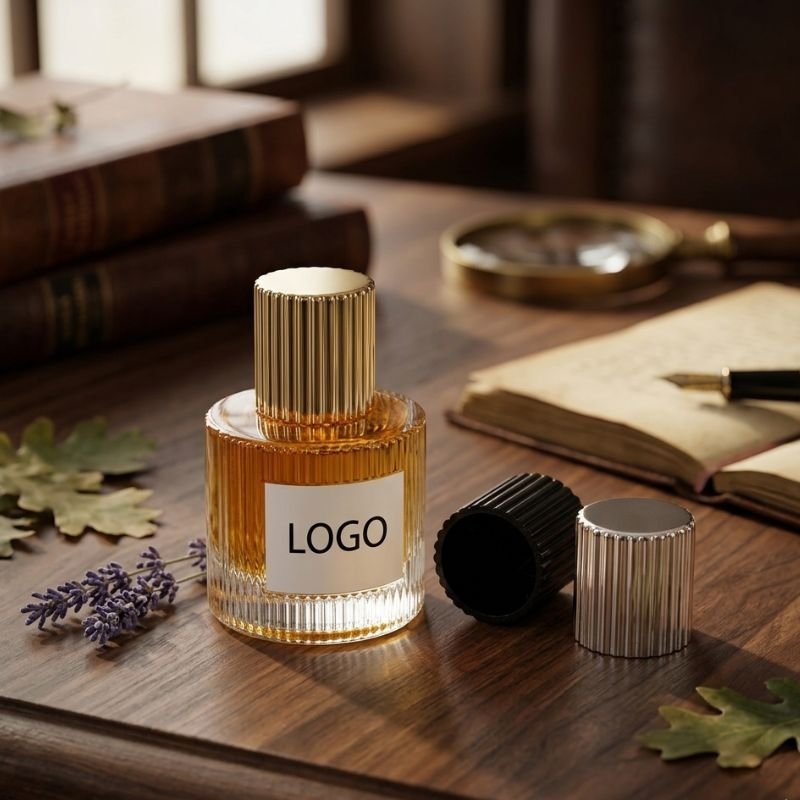
5. Emerging Trends in Niche Fragrance
5.1 Agricultural-to-Bottle Transparency
A new wave of niche perfumery emphasizes direct relationships with farmers and complete documentation from field to bottle. These brands make visible what is usually invisible: the beauty of agricultural craftsmanship and the nobility of raw materials.
5.2 Functional and Wellness Positioning
Fragrance is increasingly positioned as a wellness ritual. Many emerging brands reimagine fragrance as a tool for emotional alignment—each scent crafted to align with how you want to feel, not just smell.
5.3 Heritage Revival
Some of the most compelling niche brands draw on centuries of history. These brands prove that "old" can be new again—authentic heritage that cannot be manufactured, only preserved and celebrated.
5.4 "Intense" and Extrait Versions
To retain loyal customers, niche brands are launching "intense" versions or flankers of existing fragrances. These are not merely stronger concentrations but incorporate different olfactory elements, sometimes shifting the fragrance genre entirely.
6. Practical Guidance for B2B Buyers
6.1 Evaluating Niche Brand Opportunities
Before launching or investing in a niche fragrance brand, consider these questions:
- What is your unique point of view? The market has no room for "me-too" brands.
- Who is your target consumer? Be specific about demographics, psychographics, and fragrance preferences.
- What is your distribution strategy? Selective retail, DTC, or hybrid?
- What is your production scale? Match batch sizes to demand to avoid excess inventory or stockouts.
- What is your sustainability commitment? Increasingly, this is not optional.
6.2 Working with Manufacturers
When selecting a manufacturing partner for niche fragrance at ENO Aroma or elsewhere:
- Request samples from potential suppliers to assess scent fidelity, longevity, and packaging quality
- Verify quality protocols including batch-specific CoA, stability testing, and traceability systems
- Discuss MOQs upfront—some manufacturers offer low-MOQ sampling before scaling
- Secure intellectual property with clear contractual clauses preventing resale of your blend to third parties
7. Conclusion: Standing Out Through Substance
The niche fragrance market has never been more crowded—or more opportunity-rich. The brands that will endure are those that recognize a fundamental truth: In a market saturated with exclusivity claims, substance is the only sustainable differentiator.
At ENO Aroma, we believe that exceptional fragrances begin with exceptional partnerships. Whether you are launching your first niche collection or expanding an existing line, our manufacturing expertise can help you translate your vision into products that genuinely stand out.
For our B2B partners, this means:
- Technical excellence: Formulations that perform as promised
- Ingredient integrity: Access to premium raw materials
- Production flexibility: Scalable manufacturing from small batches to commercial volumes
- Zajištění kvality: Rigorous testing and documentation
Ready to develop a niche fragrance brand that stands out? Contact ENO Aroma to discuss your vision and explore how our manufacturing capabilities can bring it to life.



 Czech
Czech  English
  Spanish
  Portuguese
  French
  Russian
  Polish