
¿Alguna vez has colocado un difusor de varillas y te has dado cuenta de que el aroma desaparece rápidamente o te causa problemas inesperados? Una ubicación adecuada puede marcar la diferencia entre disfrutar de una fragancia sutil y duradera o malgastar tu inversión.
Los difusores de varillas no deben colocarse bajo la luz solar directa, cerca de fuentes de calor, en zonas muy transitadas donde puedan volcarse, cerca de rejillas de ventilación o ventiladores, ni sobre superficies de madera de valor. Una colocación incorrecta puede reducir la eficacia del difusor, suponer un riesgo para la seguridad o dañar los muebles.
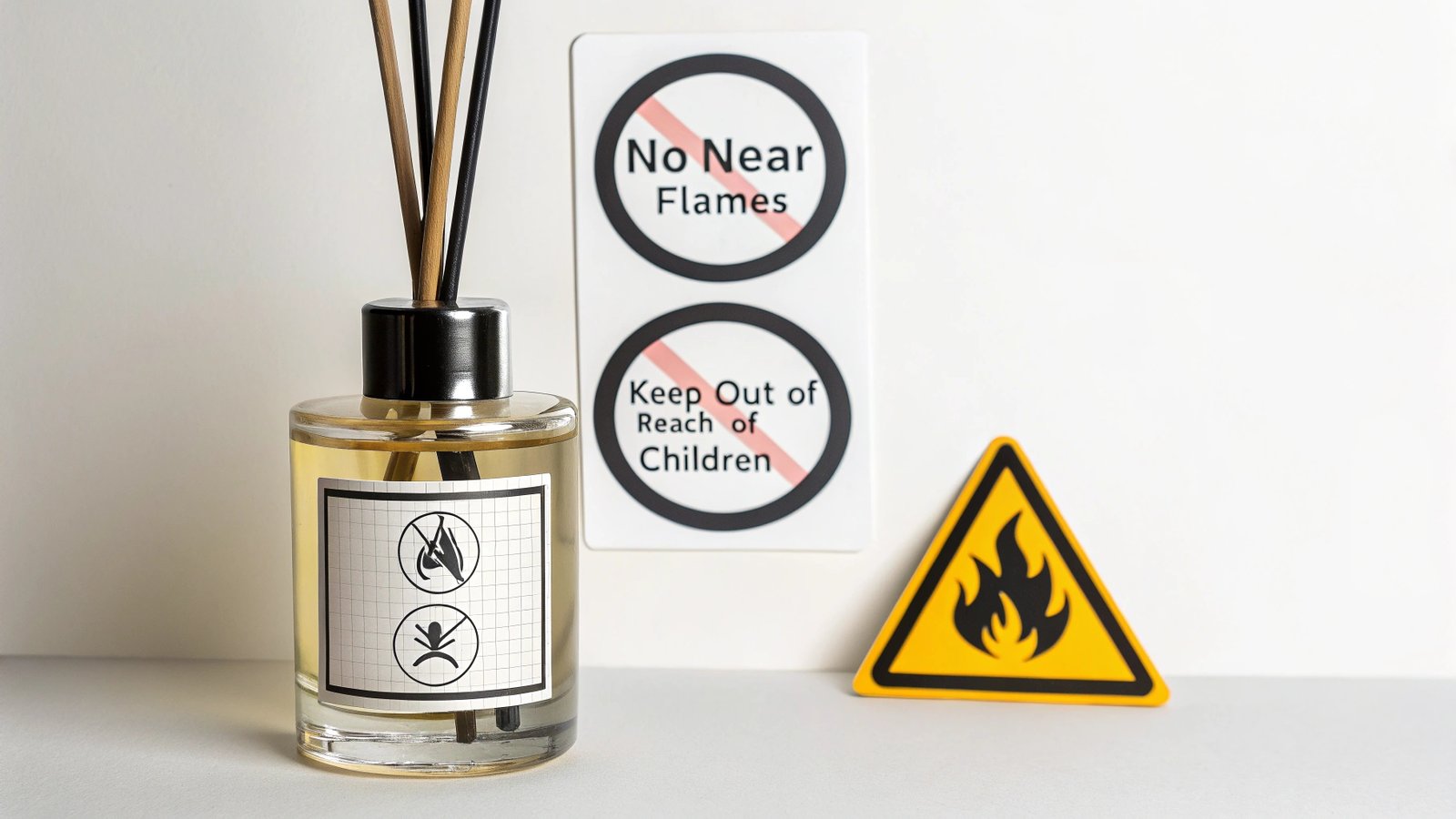
Conocer lo que se debe y no se debe hacer a la hora de colocar un difusor de varillas te ayudará a sacar el máximo partido a la fragancia y a evitar posibles daños en tu hogar. Veamos cuáles son los lugares clave que debes evitar a la hora de colocar tu difusor.
¿Por qué es tan importante la ubicación del difusor de varillas?
¿Has notado que la fragancia de tu difusor no es constante o que se agota más rápido de lo esperado? La ciencia que hay detrás de los difusores de varillas hace que su correcta colocación sea fundamental para su funcionamiento.
La ubicación de los difusores de varillas influye considerablemente en su rendimiento, ya que estos dispositivos se basan en la acción capilar y en las corrientes de aire naturales para difundir la fragancia; una ubicación inadecuada puede provocar una evaporación acelerada, una menor difusión del aroma o posibles riesgos para la seguridad.
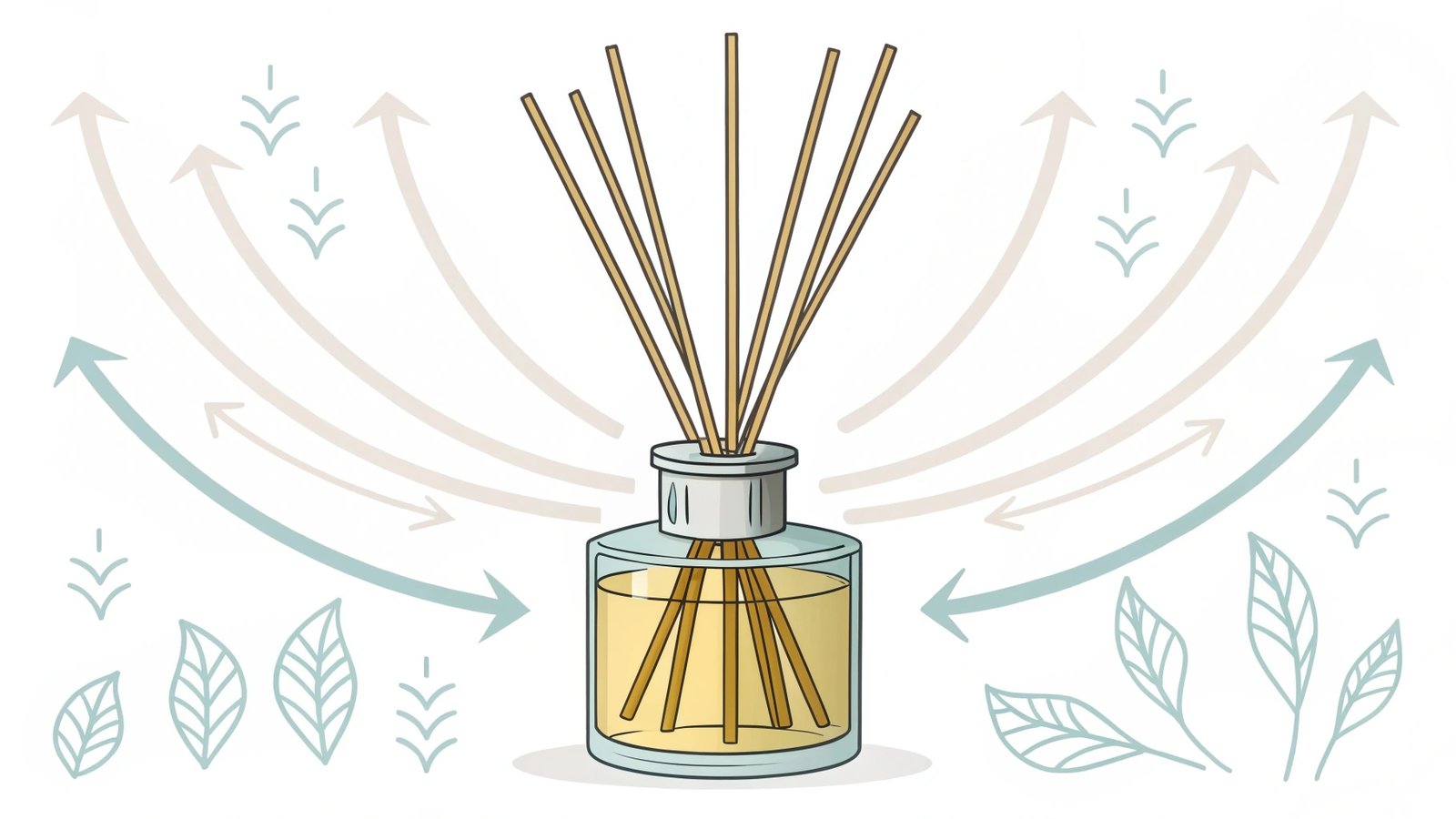
La ciencia del funcionamiento de los difusores de varillas
Tras años dedicados al desarrollo y las pruebas de difusores de varillas para los mercados internacionales, he adquirido un profundo conocimiento de los factores que influyen en su rendimiento. La eficacia de un difusor de varillas depende de un delicado equilibrio de las condiciones ambientales:
| Factor | Impacto | Condición óptima |
|---|---|---|
| Temperatura del aire | Las temperaturas más altas aceleran la evaporación | 65-75°F (18-24°C) |
| Movimiento del aire | Un flujo de aire moderado mejora la difusión | Circulación natural suave |
| Humedad | Una menor humedad aumenta la tasa de evaporación | 40-60% humedad relativa |
| Diseño de contenedores | Influye en la superficie y en la evaporación | Recipientes de cuello estrecho con el número adecuado de lengüetas |
| Formulación de aceites | Determina la viscosidad y la acción capilar | Adaptado a las condiciones climáticas |
Cuando desarrollamos nuestra línea exclusiva de difusores de varillas, llevamos a cabo pruebas exhaustivas en diferentes entornos. Uno de los descubrimientos más sorprendentes fue que un mismo difusor, colocado en distintos lugares dentro de una misma habitación, podía presentar una diferencia de 30-40% en cuanto a duración y intensidad del aroma.
La física que hay detrás de los difusores de varillas es fascinante: las varillas porosas contienen miles de canales microscópicos que hacen que el aceite perfumado suba por capilaridad. A medida que el aceite llega a la parte expuesta de las varillas, se evapora en el aire circundante. Este proceso se basa en las corrientes de aire naturales para dispersar las moléculas de fragancia por todo el espacio.
Una colocación incorrecta puede alterar drásticamente este delicado sistema, provocando desde una evaporación acelerada (lo que supone un desperdicio del difusor) hasta una distribución insuficiente del aroma (lo que reduce tu disfrute).
¿Se deben colocar los difusores de varillas cerca de las ventanas o bajo la luz solar directa?
¿Te parece que ese alféizar soleado es el lugar perfecto para tu nuevo difusor de varillas? Piénsalo dos veces: la luz del sol causa más problemas de los que imaginas a estos sistemas de fragancias tan sensibles.
Los difusores de varillas nunca deben colocarse bajo la luz solar directa ni cerca de ventanas con mucha luz, ya que los rayos UV y el calor aceleran la evaporación del aceite, lo que podría alterar la composición de la fragancia y reducir considerablemente la vida útil del difusor.
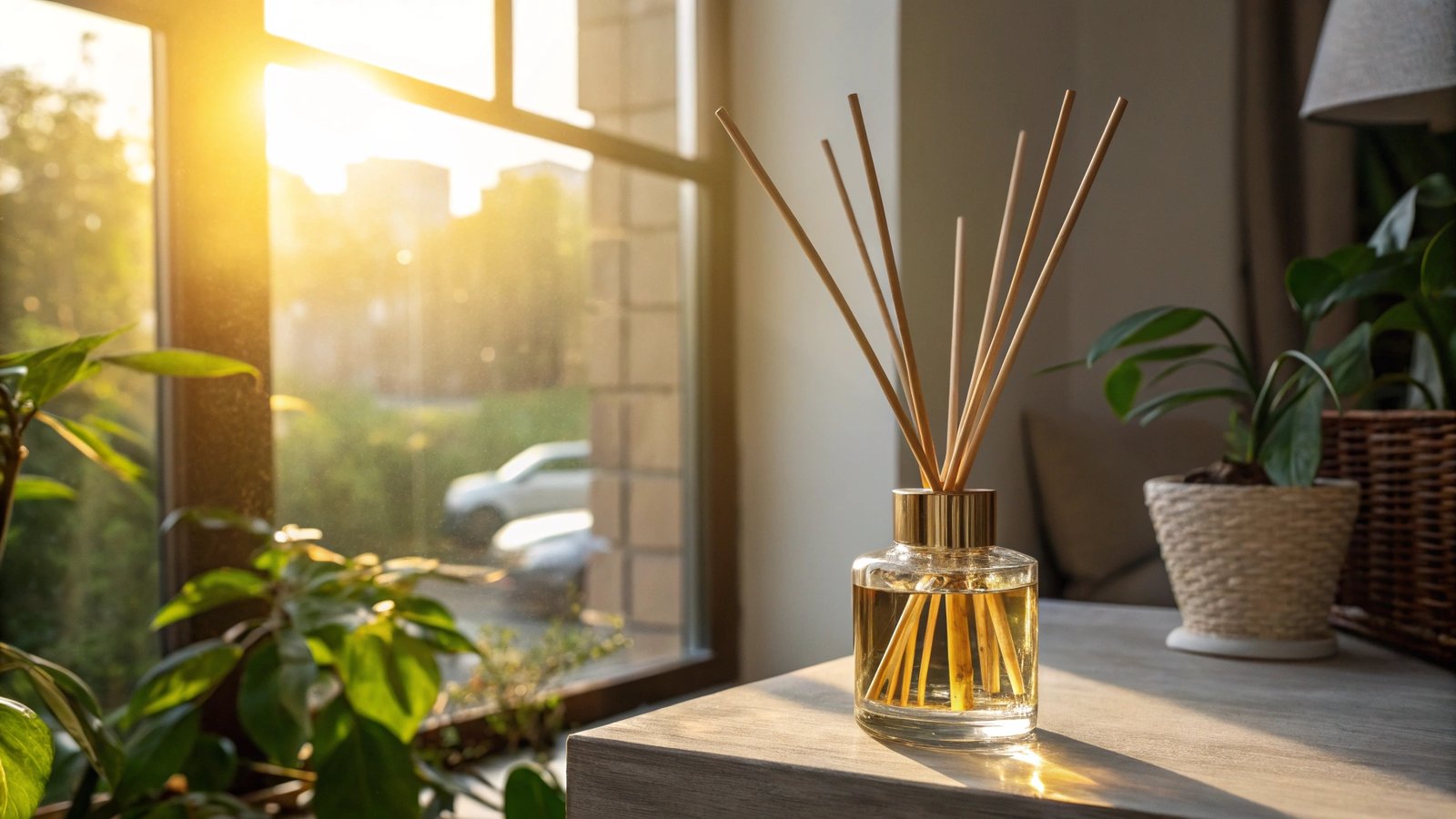
Cómo la luz solar daña los difusores de varillas
Durante el desarrollo de nuestro producto en ENO, llevamos a cabo pruebas controladas en las que expusimos difusores de varillas idénticos a diferentes condiciones de iluminación. Los resultados fueron sorprendentes:
| Colocación | Tasa de evaporación del aceite | Reducción de la esperanza de vida | El impacto de las fragancias |
|---|---|---|---|
| Luz solar directa | Hasta tres veces más rápido | 60-70%: vida útil más corta | Degradación significativa de la fragancia |
| Luz indirecta brillante | 1,5 veces más rápido | 30-40%: vida útil más corta | Alteración moderada del aroma |
| Ventana orientada al norte | Aumento mínimo | 10-15%: vida útil más corta | Impacto mínimo |
| Lejos de Windows | Normal | Vida útil total prevista | Integridad de la fragancia conservada |
El daño causado por la luz solar es doble: en primer lugar, el calor acelera la evaporación, lo que hace que el difusor se agote mucho más rápido de lo previsto. En segundo lugar, y quizá lo más preocupante, la radiación ultravioleta puede alterar la estructura molecular de los compuestos aromáticos, modificando así el perfil olfativo cuidadosamente equilibrado.
Recuerdo haber visitado a una clienta que había colocado tres difusores idénticos en distintos lugares de su casa. El que estaba en el alféizar de la ventana soleada no solo se agotó en la mitad de tiempo, sino que además desarrolló un perfil aromático notablemente diferente: las delicadas notas de salida se habían degradado, dejando solo las notas de fondo, más intensas.
Esta exposición a la luz solar también puede afectar al aspecto de tu difusor, ya que puede provocar la decoloración tanto del aceite como del recipiente. Dado que los difusores de varillas de alta gama suelen costar entre $30 y $100, proteger tu inversión de los daños causados por el sol es una decisión sensata desde el punto de vista económico.
En lugar de los alféizares de las ventanas, coloca el difusor en lugares con una temperatura constante y moderada y con una exposición mínima a la luz directa, para preservar tanto su durabilidad como la intensidad de la fragancia.
¿Es seguro colocar difusores de varillas cerca de aparatos electrónicos o fuentes de calor?
¿Tienes poco espacio en la encimera y te estás planteando colocar tu difusor de varillas cerca de los electrodomésticos? Esta opción tan habitual conlleva varios riesgos importantes.
Nunca coloques los difusores de varillas cerca de aparatos electrónicos, radiadores, rejillas de calefacción o electrodomésticos, ya que el calor acelera la evaporación y puede suponer un riesgo de incendio, y los derrames de aceite pueden dañar los componentes electrónicos o incluso provocar cortocircuitos.
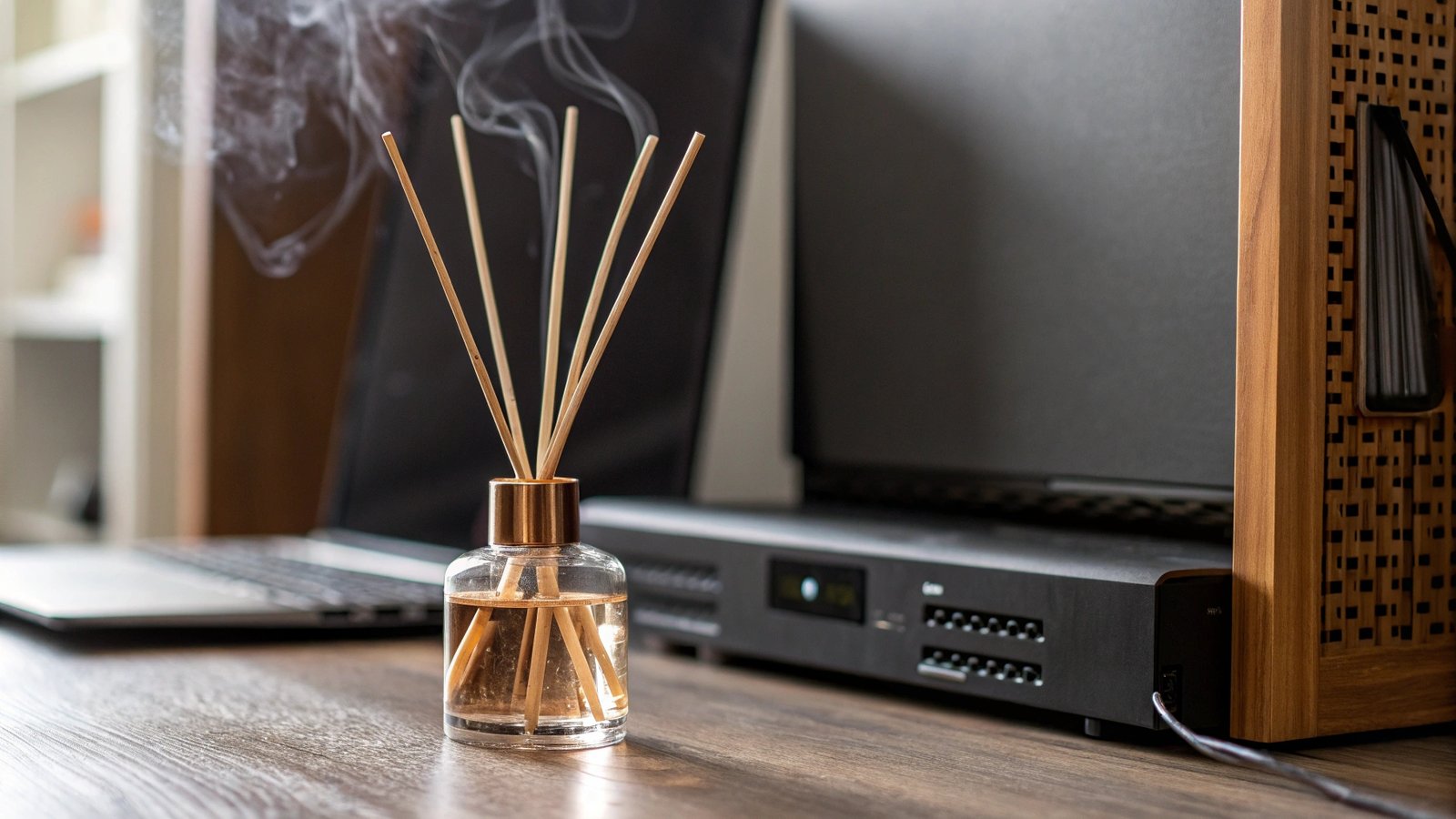
Los peligros de las fuentes de calor y los aparatos electrónicos
Gracias a nuestras pruebas de seguridad y a los comentarios de nuestros clientes a lo largo de más de 15 años de actividad, hemos identificado varios riesgos graves que se producen cuando los difusores se colocan cerca de fuentes de calor o de equipos electrónicos:
| Fuente de calor | Nivel de riesgo | Principales preocupaciones |
|---|---|---|
| Radiadores | Muy alta | Evaporación acelerada; riesgo de incendio si se vuelca |
| Rejillas de calefacción | Alta | Distribución desigual de la fragancia, rápido agotamiento del aceite |
| Electrodomésticos de cocina | Alta | Riesgo de incendio y contaminación por aceite en las zonas de preparación de alimentos |
| Ordenadores/Televisores | Medio | Daños electrónicos causados por derrames; alteración del aroma debido al calor de los equipos |
| Lámparas | Medio | Evaporación acelerada, posible riesgo de incendio |
| Velas | Extremo | Riesgo inmediato de incendio; mezcla de sustancias químicas peligrosas en caso de derrame |
El contenido de alcohol de muchos aceites para difusores de varillas es inflamable, lo que supone un riesgo de incendio si se colocan cerca de fuentes de calor. Aún más preocupante es la posibilidad de que se produzcan daños en los aparatos electrónicos: los aceites utilizados en los difusores de varillas suelen ser conductores y pueden provocar cortocircuitos si se derraman sobre componentes electrónicos.
Uno de nuestros clientes empresariales aprendió esta lección por las malas cuando un difusor de varillas de oficina, colocado cerca de un ordenador, se volcó accidentalmente, lo que provocó daños en un equipo costoso y una pérdida de productividad. Los costes de reparación superaron con creces el precio del difusor.
Más allá de las cuestiones de seguridad, el calor afecta significativamente al rendimiento del difusor. En pruebas controladas, hemos constatado que un difusor de varillas situado cerca de una rejilla de calefacción se agotaba hasta 2,5 veces más rápido de lo normal, al tiempo que desprendía un aroma irregular y, a menudo, demasiado intenso.
Para garantizar una seguridad y un rendimiento óptimos, mantén los difusores de varillas a una distancia mínima de tres pies de cualquier fuente de calor y de aparatos electrónicos, y colócalos siempre sobre superficies estables donde no haya riesgo de que se vuelquen.
¿Se deben colocar difusores de varillas en zonas con mucha corriente de aire?
¿Has colocado el difusor cerca de un ventilador o de una rejilla de ventilación con la esperanza de que la fragancia llegue más lejos? Este error tan común, en realidad, reduce la eficacia del difusor.
Los difusores de varillas no deben colocarse cerca de ventiladores de techo, rejillas de aire acondicionado ni puertas con corrientes de aire, ya que un movimiento excesivo del aire provoca una evaporación desigual y acelerada, reduce considerablemente la vida útil del difusor y puede generar un aroma demasiado intenso en algunas zonas, mientras que en otras no se percibe ningún aroma.
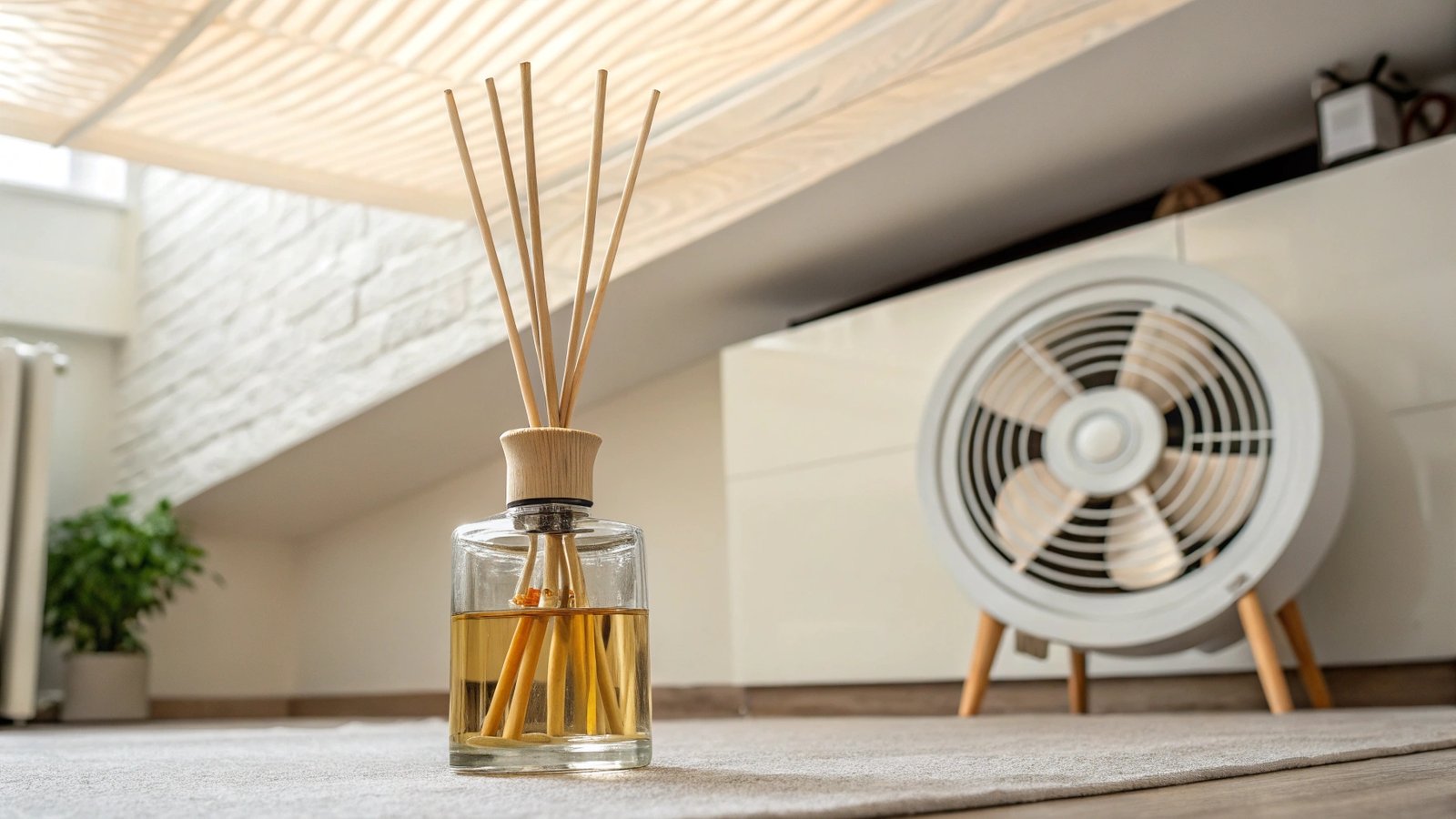
Cómo influye la circulación del aire en el rendimiento de los difusores de varillas
En ENO, hemos investigado a fondo cómo influye el flujo de aire en el rendimiento de los difusores. Nuestros hallazgos revelan la compleja relación que existe entre el movimiento del aire y la dispersión de la fragancia:
| Condiciones del flujo de aire | Efecto sobre la evaporación | El impacto del aroma | Recomendación |
|---|---|---|---|
| Alta (cerca de ventiladores o rejillas de ventilación) | Ha aumentado drásticamente | Irregular, a menudo demasiado intensa y luego inexistente | Evitar completamente |
| Moderado (circulación natural del aire en la estancia) | Ligeramente mayor | Dispersión óptima | Ubicación ideal |
| Bajo (espacios cerrados) | Rebajado | Limitado a la zona más cercana | Considerar la posibilidad de aumentar el número de lengüetas |
| Corrientes de aire (puertas y ventanas) | Irregular e impredecible | Rendimiento irregular | Busca un lugar más protegido |
Aunque un ligero movimiento de aire ayuda a distribuir la fragancia por toda la estancia, un flujo de aire excesivo altera la acción capilar de la que dependen los difusores de varillas. Cuando el aire circula demasiado rápido por las varillas, se producen varios problemas:
- El aceite se evapora principalmente por un lado de las lengüetas
- La evaporación se produce mucho más rápido de lo previsto
- El aroma se disipa antes de que pueda extenderse como es debido.
- Las moléculas de fragancia se concentran en algunas zonas, mientras que en otras no están presentes
Durante las pruebas de producto realizadas para un cliente del sector hotelero, colocamos difusores idénticos en distintos lugares. El difusor situado cerca de la rejilla de ventilación del aire acondicionado se agotó casi tres veces más rápido que los demás y, además, desprendía un aroma irregular: resultaba abrumador cuando el sistema estaba en marcha y apenas se percibía cuando estaba apagado.
La ubicación ideal permite una circulación de aire suave y natural que ayuda a que la fragancia se difunda de forma uniforme sin acelerar la evaporación. Busca lugares con una corriente de aire moderada, alejados de fuentes directas de corriente de aire como rejillas de ventilación, ventiladores y puertas o ventanas que se abran con frecuencia.
Si tienes que utilizar el aire acondicionado o ventiladores en la misma habitación que el difusor, intenta buscar un lugar protegido donde el difusor no reciba el flujo de aire directamente; por ejemplo, en una estantería con algunos objetos a su alrededor que amortigüen la corriente de aire sin bloquear la dispersión del aroma.
¿Pueden los difusores de varillas dañar los muebles o las superficies?
¿Alguna vez has notado una marca misteriosa o una decoloración debajo de tu difusor? Este daño, tan común como evitable, puede afectar a muebles y superficies de gran valor.
Los difusores de varillas nunca deben colocarse directamente sobre madera pulida, superficies pintadas o piedra natural sin una bandeja protectora, ya que los aceites pueden gotear o derramarse, lo que podría provocar manchas permanentes, daños en el acabado, decoloración o marcas en las superficies sensibles.

Cómo proteger tus superficies de los daños causados por el aceite
Según nuestro departamento de atención al cliente, los daños en la superficie figuran sistemáticamente entre las principales quejas relacionadas con los difusores de varillas. Esto es lo que hemos aprendido sobre cómo prevenir este problema:
| Tipo de superficie | Nivel de vulnerabilidad | Tipo de daño | Método de protección |
|---|---|---|---|
| Madera pulida | Muy alta | Manchas, daños en el acabado, decoloración | Posavasos o bandeja con bordes elevados |
| Piedra natural (mármol, granito) | Alta | Corrosión, penetración de aceite, decoloración | Bandeja no porosa; evitar la piedra porosa |
| Superficies pintadas | Media a alta | Decoloración, reblandecimiento de la pintura | Superficie protectora rígida |
| Plástico/Laminado | Bajo a medio | Posible decoloración | Basta con un simple posavasos |
| Vidrio/Metal | Bajo | El riesgo es mínimo, aunque puede que haya que limpiarlo | Protección opcional |
El riesgo no solo proviene de derrames catastróficos, sino también de la acumulación imperceptible de aceite que puede producirse en la base del difusor. Al dar la vuelta a las varillas o al sustituirlas, a menudo caen pequeñas gotas sobre la superficie situada debajo. Con el paso del tiempo, estas pequeñas cantidades de aceite pueden penetrar en los acabados y causar daños.
En un caso memorable, un cliente colocó un costoso difusor de diseño directamente sobre un aparador antiguo de caoba. La lenta filtración de aceite a través de la base dejó una mancha permanente que requirió una restauración profesional del mueble, cuyo coste superó con creces el del propio difusor.
Para proteger tus superficies:
- Utilice siempre una bandeja difusora dedicada con bordes elevados para contener cualquier posible derrame.
- Elija bandejas fabricadas con materiales no absorbentes, como cerámica, vidrio o metal.
- Revise y limpie periódicamente debajo de su difusor para evitar la acumulación.
- Al voltear las varillas, hágalo sobre un fregadero o una superficie protegida para recoger las gotas.
- Considere una doble protección para superficies especialmente valiosas.
Hemos incorporado diseños resistentes a fugas en nuestros difusores premium, que incluyen tapones de ajuste hermético y puntos de inserción de varillas antigoteo, pero incluso los mejores diseños no pueden eliminar todo el riesgo, especialmente si se vuelca un difusor.
Con la protección adecuada, puede disfrutar de su difusor de varillas sin preocuparse por dañar sus preciadas superficies.
¿Hay habitaciones en las que no se deban utilizar difusores de varillas?
¿Ha asumido que los difusores de varillas funcionan igual de bien en cualquier habitación? Ciertos espacios de su hogar pueden ser inapropiados para este tipo de dispensación de fragancia.
Los difusores de varillas no deben usarse en baños pequeños y cerrados, guarderías, habitaciones donde se prepara o consume comida, áreas con obras de arte o documentos valiosos, o espacios donde se alojen mascotas como aves o pequeños mamíferos.
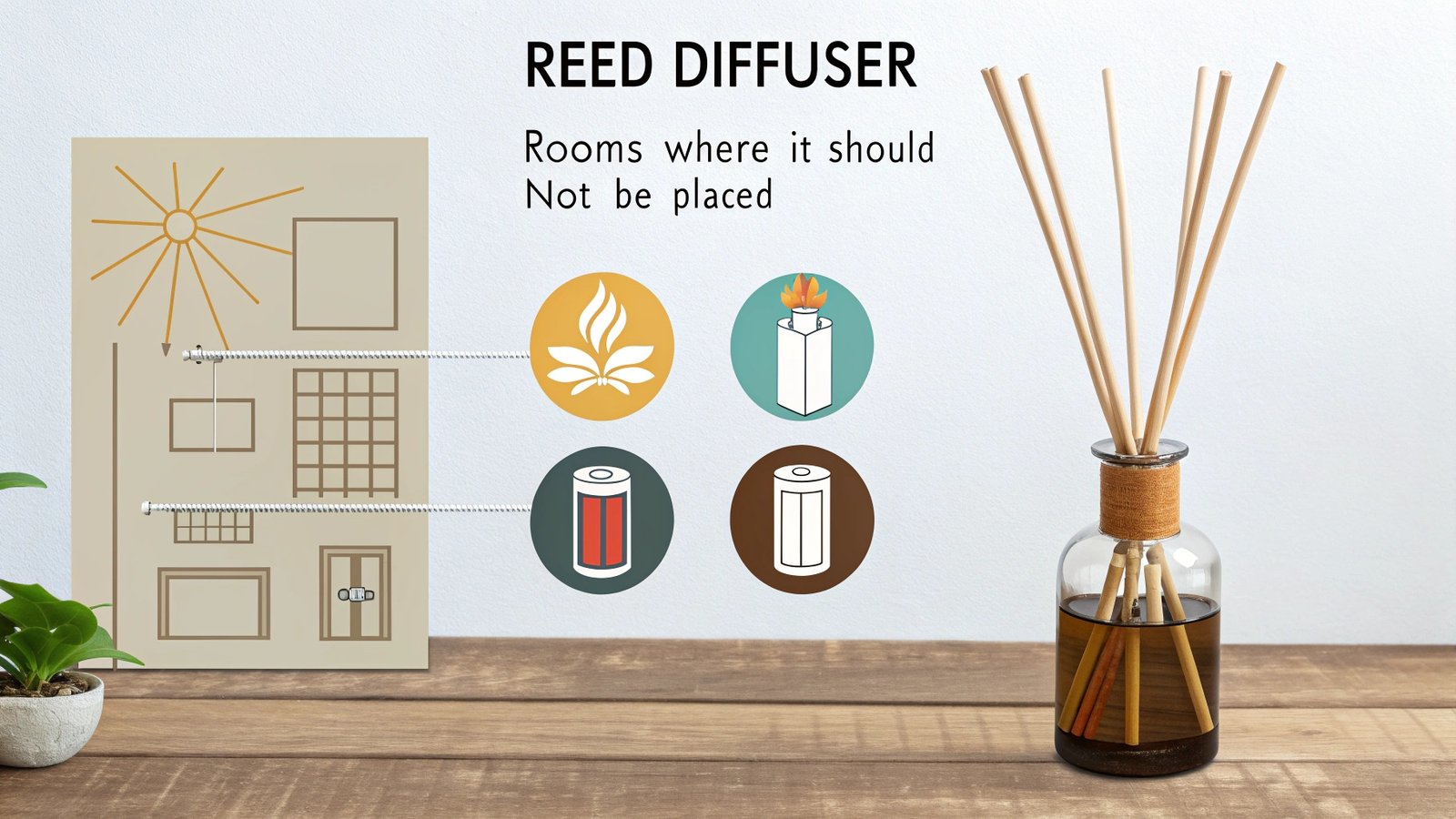
Consideraciones Específicas por Habitación para la Colocación de Difusores
A lo largo de mi carrera desarrollando productos de fragancia para el hogar, he recopilado datos sustanciales sobre la idoneidad de las habitaciones para diferentes métodos de aromatización:
| Tipo de habitación | Idoneidad | Principales preocupaciones | Alternativas |
|---|---|---|---|
| Baños Pequeños | Pobre | Variaciones de humedad, abrumador en espacios pequeños | Spray ambiental, saquitos pequeños |
| Cocinas | Pobre | Interferencia con sabores de comida, riesgo de contaminación por aceite | Ambientadores especializados para cocina |
| Guarderías | No Recomendado | Posible sensibilidad respiratoria en bebés | Purificadores de aire sin fragancia |
| Comedores | Desaconsejado cerca de áreas de comida | Interfiere con el disfrute de la comida | Velas (solo durante la comida) |
| Almacenamiento/Exhibición de Arte | Evite | Las partículas de aceite pueden depositarse en obras de arte | No se necesita; mantener el aire limpio |
| Áreas de Mascotas (aves, roedores) | Peligroso | Posible toxicidad para animales sensibles | Productos específicos seguros para mascotas |
La concentración de aceites aromáticos en los difusores de varillas puede resultar abrumadora en espacios muy pequeños, particularmente aquellos con poca ventilación. Esto no solo crea una experiencia sensorial desagradable, sino que puede desencadenar sensibilidad respiratoria en algunas personas.
Las cocinas presentan un desafío particular porque los sabores y aromas de los alimentos pueden verse afectados por la fragancia ambiental. Además, las partículas de aceite en el aire de los difusores pueden depositarse en las superficies de preparación de alimentos. Si desea aromatizar su cocina, considere métodos de tiempo limitado, como sprays ambientales que puedan usarse cuando no se esté cocinando.
Para hogares con obras de arte, documentos valiosos o colecciones, tenga en cuenta que los aceites dispersados por los difusores de varillas pueden, con el tiempo, depositarse en las superficies. Aunque la cantidad es mínima, puede afectar a materiales sensibles a largo plazo.
Quizás lo más importante es que algunos aceites de difusores de varillas contienen compuestos que pueden ser dañinos para ciertas mascotas, particularmente aves y pequeños mamíferos con sistemas respiratorios sensibles. Consulte siempre con su veterinario antes de usar cualquier producto aromatizante en áreas donde las mascotas pasen mucho tiempo.
En lugar de evitar por completo la fragancia en estos espacios, considere métodos alternativos:
- Difusores electrónicos con temporizador que funcionan solo cuando es apropiado
- Sprays ambientales usados ocasionalmente cuando las habitaciones estén desocupadas
- Productos especializados formulados para entornos específicos
Conclusión
Para maximizar el rendimiento y la seguridad del difusor de varillas, evite colocarlos a la luz solar directa, cerca de fuentes de calor o aparatos electrónicos, en áreas de alto flujo de aire, directamente sobre superficies valiosas sin protección, o en habitaciones inadecuadas como cocinas y guarderías.
Acerca de ENO
ENO es un fabricante profesional líder dedicado a la investigación y el desarrollo de productos aromáticos. Especializados en velas aromáticas, aceites esenciales de grado terapéutico, difusores de carrizo, sprays ambientales y otras soluciones de fragancia, nos comprometemos a ofrecer productos de alta calidad para satisfacer diversas necesidades globales.
Con más de 17 años de experiencia, exportamos a más de 200 países y regiones de todo el mundo. Cada año, suministramos un gran volumen de productos a Norteamérica, Europa, Australia, Japón, Corea del Sur y el Sudeste Asiático. Nuestra empresa ha establecido colaboraciones con marcas de renombre mundial como MCM, BLUE JACAR y COZY.
Prestando servicio a más de 1.000 vendedores de Amazon al año, ENO destaca por su solidez en tecnología, diseño y desarrollo de productos. Nuestro equipo de diseñadores cuenta con competencias internacionales y aporta ideas desde el diseño creativo hasta la investigación y el desarrollo de productos, garantizando una producción sin fisuras. Ofrecemos un conjunto completo de soluciones, proporcionando productos que reflejan las tendencias de vanguardia y aportan un valor competitivo internacional a nuestros clientes.



 Spanish
  English
  Portuguese
  French
  Russian
  Polish
  Czech
Czech