
You love that instant burst of freshness from a room spray. It’s quick, it’s easy, and it makes your space smell amazing. But then you start to wonder, "Am I using it too much? Or not enough?" It’s a common question, and getting it right can make all the difference between a perfectly scented room and an overwhelming one.
The ideal frequency for using room spray depends on several factors: the size of your room, the strength of the spray, your personal scent preference, and the presence of odors. Generally, use it as needed to refresh the air or mask unwanted smells, starting with one or two sprays and adjusting based on the intensity required.
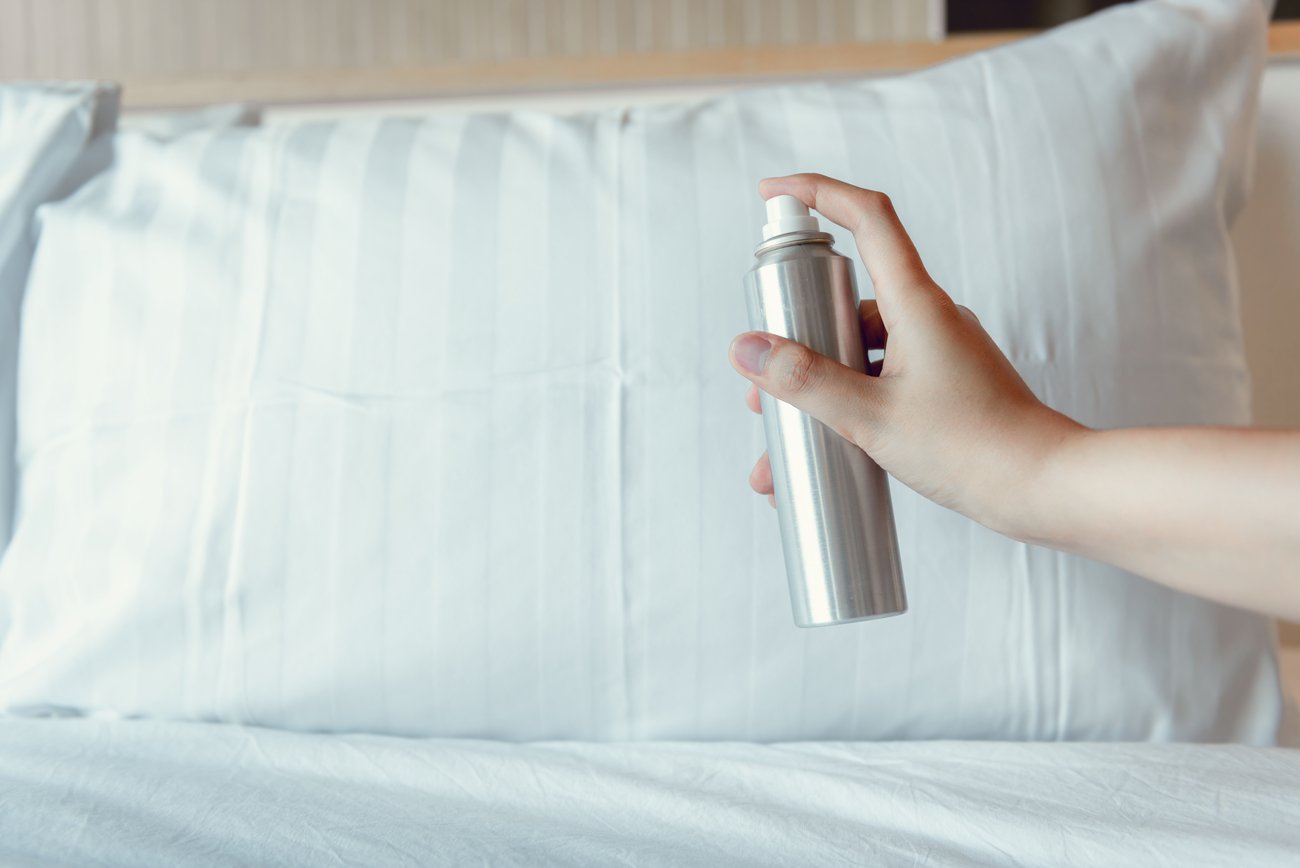
I remember my friend Anita, who is a national brand buyer. She’s super efficient and always on the go. One day, she was trying out a new strong room spray in her office. She called me, laughing, saying she had accidentally oversprayed and her eyes were watering! We had a good laugh, and it became a great example of how getting the frequency right is key. It’s not about how often you should use it by a fixed rule, but rather how often you need to for the perfect balance. Let’s dig into the details.
Does Room Size Affect Usage?
Absolutely, the physical space you’re trying to scent is a primary factor in how much and how often you should use room spray.
Yes, room size significantly affects how often and how much room spray you should use. Larger rooms require more sprays to distribute the fragrance effectively, while smaller spaces need much less to avoid overpowering the area. Adjusting based on square footage ensures optimal scent diffusion without oversaturation.
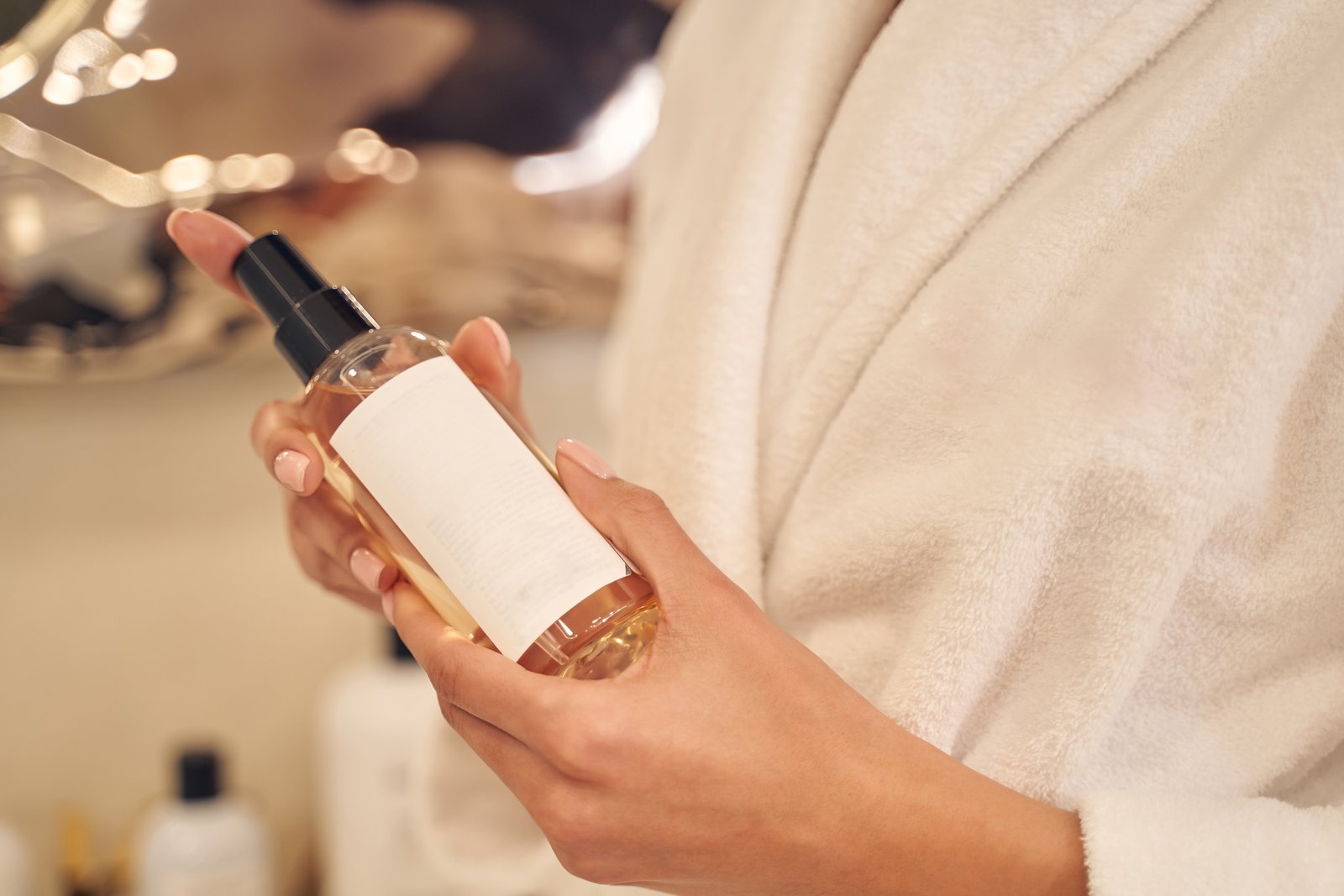
Let’s look at how room size changes things.
For Large Rooms and Open Spaces
Think about open-plan living areas. Or a large master bedroom. These spaces have a lot of air volume. A single spray might just dissipate quickly. It won’t leave much scent behind. For bigger rooms, you will need more sprays.
- Start with more: Begin with 3-5 sprays. Aim to spray towards the center of the room. Or spray towards soft furnishings like curtains or rugs. These can hold the scent.
- Wait and assess: Give the spray about 30 seconds to a minute to disperse. Then check the scent level.
- Add if needed: If the scent is still too light, add another 1-2 sprays. Make sure to walk around the room. This helps you get a true sense of the overall scent presence.
The goal is to gently fill the space. You don’t want a strong burst of scent in one spot. Our clients, like large brand companies who distribute to various channels, understand this. They know that a pleasant, subtle scent throughout a large retail space is more inviting than an overpowering one in just a small area. This is why our diverse product range provides different strengths and dispersal methods, supporting varied needs.
For Small Rooms and Enclosed Areas
Now, consider a small bathroom. Or a walk-in closet. These spaces are enclosed. They have less air volume. Fragrance builds up quickly here. Using too much can make the scent overwhelming. It might even cause irritation.
- Less is more: Start with just 1 spray. Or maybe 2 at most.
- Target the air: Aim the spray into the center of the room. Don’t spray directly onto surfaces.
- Ventilation: If the room has poor ventilation, start with even less. You can open a window for a few moments after spraying. This prevents the scent from becoming stagnant.
For very small spaces, like a car, sometimes a single, light mist is enough. The key is to avoid saturating these smaller areas. An over-scented small room can be very uncomfortable.
Does Scent Strength and Personal Preference Matter?
Yes, the specific room spray you use and your own nose play a huge role.
Yes, both the initial scent strength of your room spray and your personal preference significantly dictate how often you should use it. A highly concentrated spray requires fewer applications, while a subtle scent might need more frequent use. Ultimately, the best frequency aligns with your desired aroma intensity and individual sensitivity.
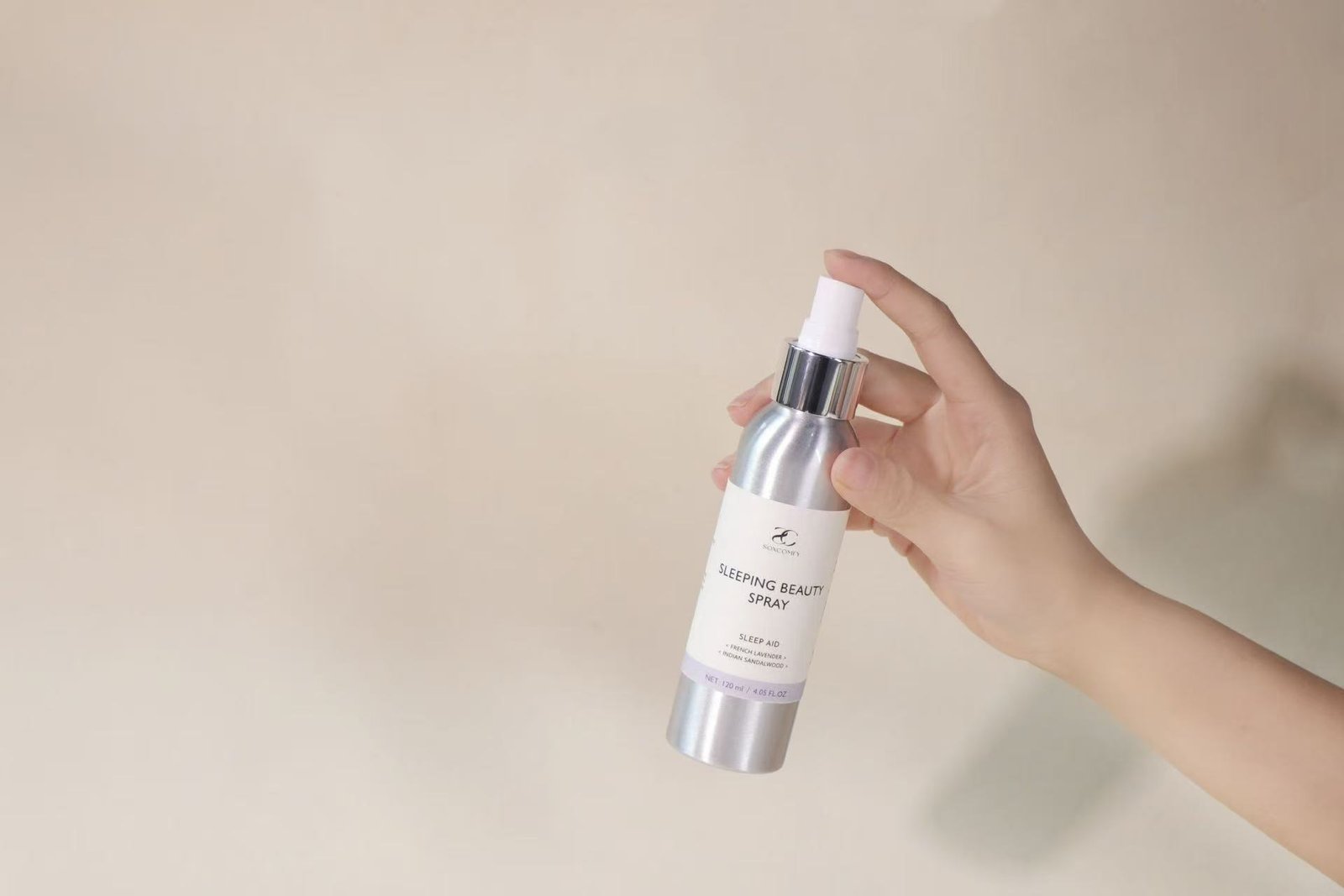
Let’s break down these subjective factors.
The Intensity of the Spray Itself
Not all room sprays are made equal. Some are very concentrated. They release a lot of scent with just one pump. Others are lighter. They need more sprays to reach the same level of fragrance.
- Read the label: Check if the manufacturer gives any guidance. Some might suggest "1-2 sprays for a quick refresh."
- Test it out: The first time you use a new spray, start very small. Do one spray. See how it performs. Then you can adjust for next time.
- Know your product: Over time, you will learn the strength of your favorite room sprays. You will know if it is a "one-and-done" kind of spray or if it needs a few more pumps.
As a professional manufacturer, ENO ensures our room sprays clearly indicate their concentration. This helps users like Lisa, who sources products for her brand, choose the right intensity for her specific product line.
Your Personal Threshold and Desired Atmosphere
This is very subjective. What one person finds perfectly scented, another might find too strong or too weak.
- Subtle vs. noticeable: Do you want just a hint of fragrance? Or do you want a clearly noticeable aroma? Adjust your sprays based on this.
- Sensitivity: Some people are more sensitive to certain scents. Or they might get headaches from strong perfumes. If you are sensitive, always use less first.
- Propósito: Are you using it for a quick pick-me-up? Or to set a mood for guests? A quick refresh might need just one spray. Setting a mood might need a few more.
I personally prefer a subtle scent in my home. So, I tend to use fewer sprays. My sister, on the other hand, loves a strong, noticeable fragrance, so she uses more. There is no wrong answer here. It is about what usted like for your space.
Do Odors and Activities Affect Frequency?
Yes, the presence of specific odors and the activities happening in your room are major drivers for how often you pick up that room spray.
Yes, the presence of unwanted odors and ongoing activities in a room strongly influence how often you should use room spray. Heavier odors or active environments like cooking areas might require more frequent applications, while a quiet, less trafficked room will need much less to maintain freshness.
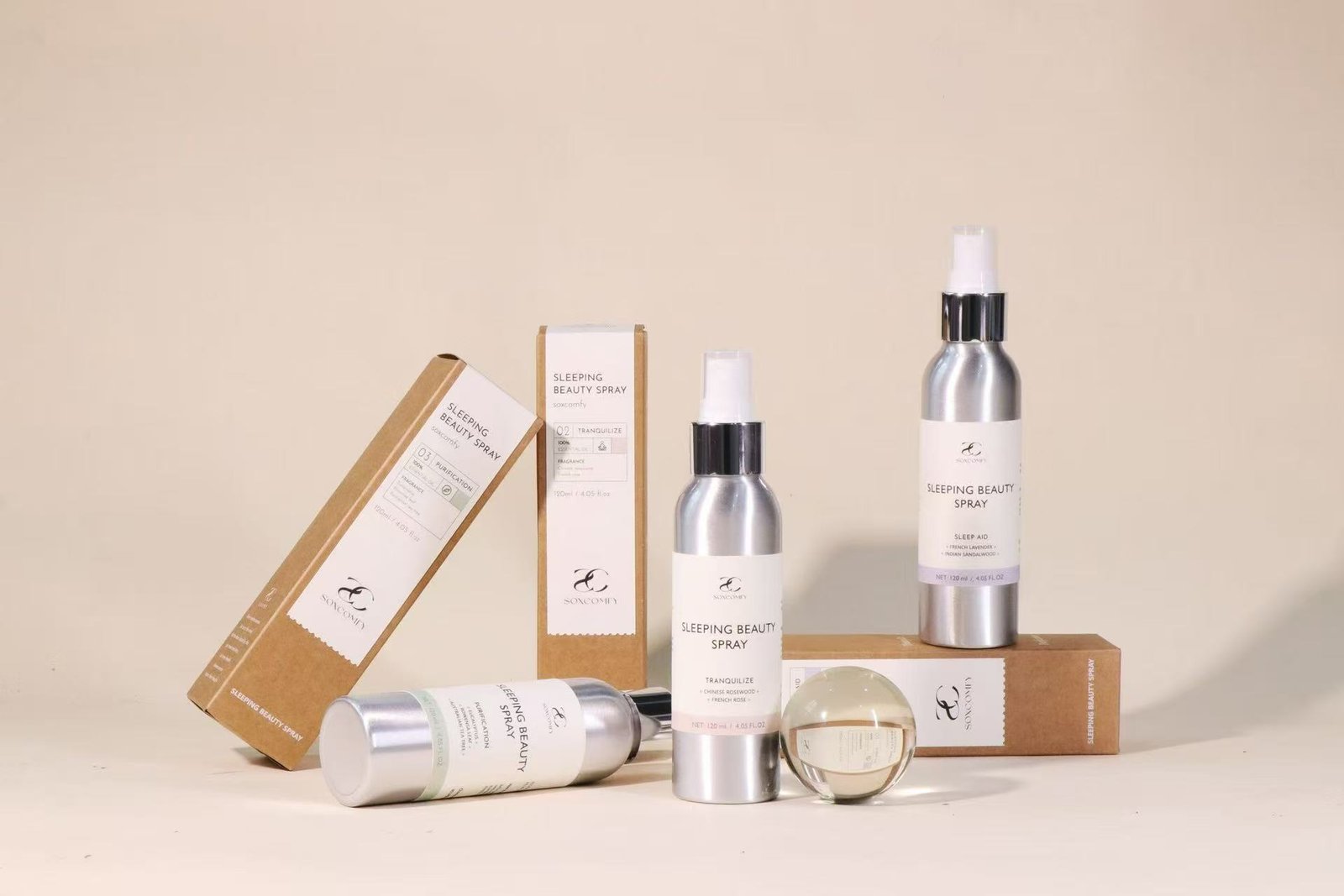
Let’s look at how odors and activities change how you use room spray.
Combatting Unwanted Odors
This is where room sprays shine. They are excellent for quick odor elimination.
- Cooking smells: Después de preparar una comida con olores intensos (como pescado o ajo), su cocina puede retener esos aromas. Unas pocas pulverizaciones pueden neutralizarlos rápidamente. Podría usarlo inmediatamente después de cocinar. O unas horas después si el olor persiste.
- Olores de mascotas: Si tiene mascotas, las pulverizaciones ocasionales ayudan a mantener el ambiente fresco. Podría rociar diariamente en las áreas donde su mascota pasa mucho tiempo. O solo cuando note un "olor a mascota" específico.
- Refrescar el baño: Este es un caso de uso clásico. Una rápida pulverización después de usarlo puede hacer que el baño sea agradable para la siguiente persona. En esta situación, podría usarlo varias veces al día, pero solo una breve pulverización cada vez.
- Aire viciado: Si una habitación ha estado cerrada por un tiempo, puede sentirse cargada. Unas pocas pulverizaciones pueden revivir el aire al instante. Esto podría ser algo que se haga una vez al día o solo cuando entre en la habitación.
Para la eliminación dirigida de olores, se utiliza según sea necesario. Esto podría ser varias veces al día para áreas pequeñas y de mucho tránsito. O quizás una vez por semana para una habitación menos utilizada.
Refreshing After Activities
Ciertas actividades pueden dejar un aroma persistente. O simplemente puede querer refrescar el ambiente general.
- Después de que se vayan los invitados: Después de organizar una reunión, es posible que desee refrescar la sala de estar. O eliminar los olores de comida del ambiente.
- Ejercicio: Si tiene un área de gimnasio en casa, un espray puede refrescarla después de un entrenamiento.
- Limpieza: Después de limpiar una habitación, un espray ambiental puede agregar un toque final de aroma fresco. Hace que la habitación se sienta realmente limpia.
- Comenzar el día: A algunas personas les gusta una pequeña pulverización en su dormitorio u oficina como parte de su rutina matutina. Esto establece un tono positivo para el día.
En estos casos, la frecuencia está vinculada a la actividad. Se usa después de un evento o cuando siente que la habitación necesita un impulso específico. No sigue un horario fijo. Se trata más de responder al entorno. Nuestra variada gama de esprays ambientales permite a las marcas ofrecer soluciones específicas para diferentes necesidades, ya sean dueños de mascotas o profesionales ocupados.
Does Ventilation and Air Flow Play a Role?
Sí, la capacidad de ventilación de su habitación puede afectar significativamente la frecuencia con la que necesita pulverizar.
Sí, las habitaciones con poca ventilación o flujo de aire limitado retienen los aromas por más tiempo, lo que significa que puede necesitar aplicaciones de espray ambiental con menos frecuencia. Por el contrario, las habitaciones bien ventiladas con buena circulación de aire podrían requerir pulverizaciones más regulares o concentradas, ya que la fragancia se disipa más rápido, influyendo en la longevidad general del aroma y el uso óptimo.
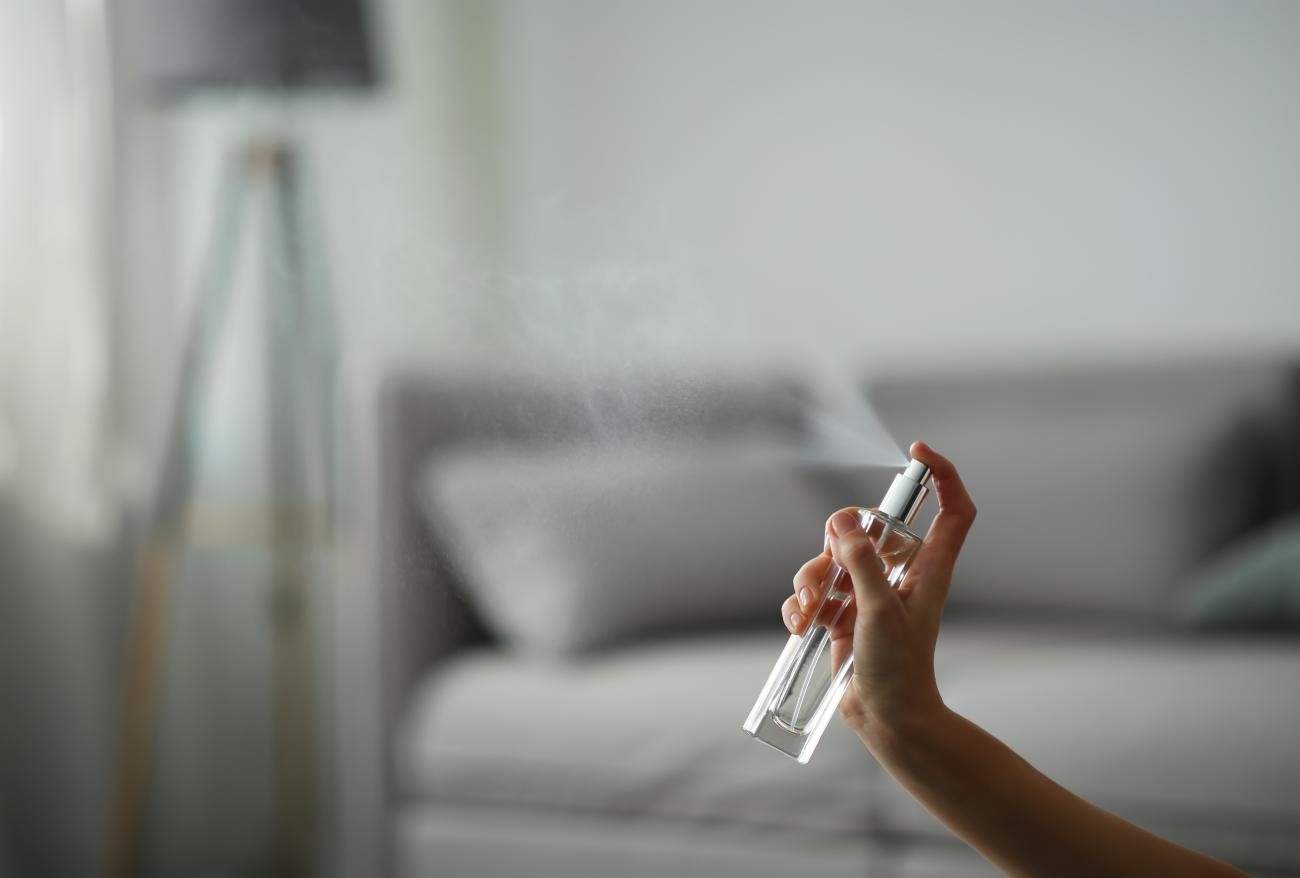
Veamos cómo el movimiento del aire afecta sus hábitos de pulverización.
Rooms with Poor Ventilation
Piense en un baño pequeño interior sin ventana o en un armario. Estos espacios no reciben mucho aire fresco. Cuando pulveriza ambientador, el aroma tiende a persistir. Debido a que el aire no se mueve mucho, las moléculas de fragancia permanecen suspendidas por más tiempo.
- Menos frecuente: Es probable que necesite pulverizar con menos frecuencia en estas áreas. El aroma se acumulará y permanecerá.
- Cantidad menor: También necesita menos pulverizaciones cada vez. Una sola pulverización podría ser suficiente.
- Riesgo de saturación: Tenga cuidado de no pulverizar en exceso. El aroma puede quedar atrapado y sentirse demasiado fuerte. Esto puede ser desagradable.
En tales áreas, el efecto del espray dura más. Esto significa que no necesitará reaplicarlo con tanta frecuencia.
Rooms with Good Ventilation
Ahora considere una sala de estar grande con ventanas abiertas. O una habitación con un ventilador de techo. Estos espacios tienen buena circulación de aire. El aire se mueve constantemente. Esto ayuda a disipar los aromas. Si bien esto es bueno para prevenir la sensación de encierro, significa que el efecto de su espray ambiental podría no durar tanto.
- Más frecuente (si se desea): Si desea un aroma constante, es posible que necesite pulverizar con más frecuencia. O aumentar la cantidad de pulverizaciones cada vez.
- El aroma se disipa más rápido: Las moléculas de fragancia son arrastradas por el aire en movimiento. Por lo tanto, la habitación podría perder su sensación aromática más rápidamente.
- Considere el propósito: Si solo está haciendo un refrescado rápido para un impulso inmediato, entonces una buena ventilación está bien. Si desea un aroma duradero, es posible que necesite una estrategia diferente. Podría necesitar combinar el espray ambiental con un difusor continuo.
Para áreas con buen flujo de aire, la regla de "según sea necesario" se vuelve aún más importante. Se usa cuando desea ese estallido instantáneo, sabiendo que podría desvanecerse más rápido. El objetivo es adaptar la pulverización al intercambio de aire natural de la habitación.
Conclusión
La frecuencia "correcta" para usar espray ambiental no es un número fijo. Es un enfoque flexible basado en el tamaño de su habitación, la intensidad del espray, su preferencia personal de aroma, los olores presentes y la ventilación de la habitación. Comience con menos, ajuste según sea necesario y siempre confíe en su nariz. Al considerar estos factores, puede usar efectivamente el espray ambiental para mantener un aroma fresco y acogedor que se adapte perfectamente a su espacio y sus preferencias, sin excederse nunca.


 Spanish
  English
  Portuguese
  French
  Russian
  Polish
  Czech
Czech