
You pick up a beautiful bottle of perfume, spray it gently, and close your eyes. In an instant, you’re transported to another world—a world of beauty, elegance, and emotion.
But have you ever wondered about the secrets hidden behind that small bottle of liquid?
As a fragrance manufacturing facility serving global brands, ENO Aroma stands on the front lines of the industry. Today, we’re pulling back the curtain to share some of the best-kept secrets that很少有人谈论 in the perfume world. This knowledge won’t just help you understand the products you use every day—it will also help you, our brand clients, gain a competitive edge in the market.
Ready for some insider secrets? Let’s dive in.
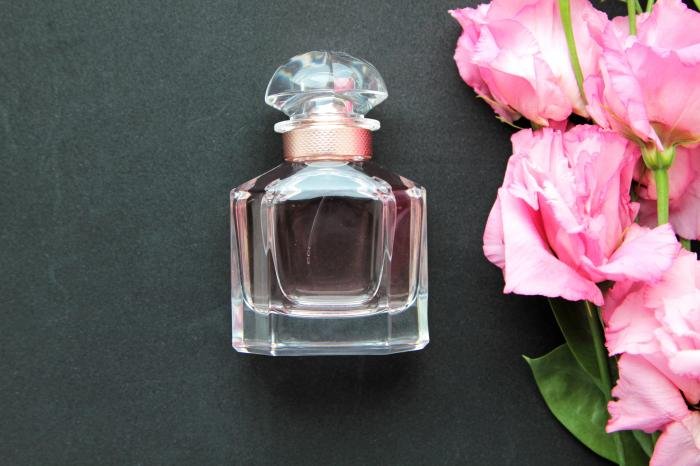
Secret #1: The Truth About Fragrance Concentrations
You see "Eau de Parfum" or "Eau de Toilette" on a bottle, but do you really know what they mean?
The truth is: There is no universal standard for concentration labels.
Many people assume that Eau de Parfum (EDP) must contain 20% perfume oil, and Eau de Toilette (EDT) must contain 15%. But in reality, these labels are often a marketing choice, not a strict chemical standard.
- For the same fragrance, an EDP version might simply amplify certain notes rather than doubling the overall concentration.
- Some brands, to maximize commercial appeal, release the same fragrance in multiple concentrations with nearly identical core formulas—this is one of the industry’s "open secrets."
What This Means for Your Brand: When developing your own fragrance products, don’t let concentration labels confine you. What matters most is the overall harmony of the scent y how it resonates with your target market. At ENO Aroma, we can help you design the optimal concentration profile based on your product positioning, rather than simply following the "EDP = premium" stereotype.
Secret #2: The Same Fragrance Smells Different on Different People
Have you ever had this experience? A friend raves about a perfume, but when you try it, it smells completely different on your skin. This isn’t your imagination—it’s science.
Skin chemistry is the real "invisible perfumer."
Everyone’s skin has unique characteristics—pH level, oil production, body temperature, and even diet—that affect how a fragrance performs:
- Oiler skin tends to hold fragrance longer, and the scent often becomes more intense.
- Dryer skin may require more frequent reapplication, as there is less oil to "grab" the fragrance molecules.
- Certain foods (like spicy dishes or garlic) can even influence body odor and interact with the fragrance on your skin.
What This Means for Your Brand: When marketing to consumers, emphasize the importance of trying before buying. No matter how beautiful your product description is, the final experience happens on their skin. This is why we strongly recommend offering samples or miniature sizes—give your customers the chance to find the scent that truly works for them.
Secret #3: The Truth About "Natural" vs. "Synthetic"
In the world of fragrance, the word "natural" is often surrounded by an aura of purity, while "synthetic" is frequently misunderstood as "cheap" or "artificial." But the reality is far more nuanced.
The truth is: Natural doesn’t automatically mean safe, and synthetic doesn’t automatically mean inferior.
- Natural essential oils come from plants, but they can contain allergens and, in some cases (especially at high concentrations), cause skin irritation. For example, Bergamot oil is photosensitive—exposing skin to sunlight after application can lead to burns or pigmentation.
- Synthetic aroma molecules are the perfumer’s "palette." They can create scents that don’t exist in nature (like marine or ozone notes) while ensuring stability and safety. More importantly, synthetics have made it possible to create fragrances without relying on endangered plant species, contributing to sustainability.
What This Means for Your Brand: Don’t fall into the trap of "natural = good, synthetic = bad." What truly matters is quality y safety. At ENO Aroma, we strictly adhere to IFRA standards. Whether natural or synthetic, every fragrance oil we provide is safe, stable, and of the highest quality. You can focus on creating beautiful scents without being constrained by marketing buzzwords.
Secret #4: The Bottle Often Costs More Than the Juice Inside
You might pay hundreds (or even thousands) for a bottle of perfume. But have you ever wondered how much of that cost is actually for the liquid?
The truth is: The bottle can cost more than the fragrance inside.
For many high-end perfume brands, the cost of packaging design, mold development, and special materials (like crystal, thick glass, or custom caps) can account for 50% or more of the total product cost. That beautiful bottle you’re holding? You’re likely paying more for the container than for the scent itself.
This isn’t to say it’s unreasonable—beautiful packaging is an essential part of the brand experience. But understanding this helps you think more rationally about pricing.
What This Means for Your Brand: When developing a product, plan your packaging budget strategically. If you’re aiming for a luxury image, invest in unique, custom containers (ENO Aroma offers a wide range of customizable vessels and bottles). If you want to make great scents more accessible, choose simple yet elegant packaging and allocate more of your budget to the quality of the fragrance oil itself.
Secret #5: Fragrances Have "Vintage Years"—But Not How You Think
You’ve probably seen brands release "Holiday Editions" or "Summer Limited Editions." But there’s another seasonal secret within the industry:
The harvest of certain raw materials varies from year to year, which can lead to subtle differences in the same fragrance over time.
Just like wine, fragrance ingredients—especially natural essential oils—are agricultural products. Climate, rainfall, and soil conditions all affect the harvest from one year to the next. A perfume that relies heavily on natural jasmine might smell slightly different in 2025 compared to 2026.
How do brands handle this? Major fragrance houses adjust their formulas (fine-tuning the balance between natural and synthetic components) to ensure consistency, making it unnoticeable to most consumers. But if you have a sensitive nose, you might notice that the rose note in last year’s batch and this year’s batch are "slightly different."
What This Means for Your Brand: If your product emphasizes natural ingredients, you have two strategic options. First, you can maintain strict quality control and formula adjustments to ensure batch-to-batch consistency. Second, you can embrace the "vintage" concept and market limited "2026 Harvest" editions, telling a beautiful story about nature’s variability. At ENO Aroma, we can help you strike the right balance between these approaches.
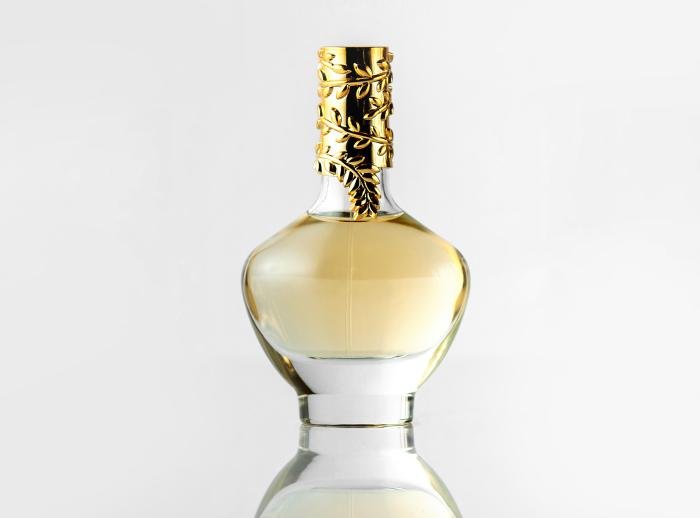
Secret #6: A Perfumer’s Nose Needs a Break
Perfumers are often called "noses"—they can distinguish hundreds of different scents. But here’s something you might not know:
A perfumer’s sense of smell can fatigue, sometimes even faster than an average person’s.
When exposed to fragrances for extended periods, the olfactory nerves can become desensitized. This is known as "olfactory fatigue" or "nose blindness." This is why perfumers need to pause frequently during their creative process, sniffing their own sleeve (usually un-scented cotton) or stepping outside for fresh air to "reset" their noses.
What This Means for Your Brand: If you’re developing your own fragrance line, remember to give your team time for "olfactory breaks." Smelling dozens of samples consecutively will only dull your judgment. Every so often, take a sniff of coffee beans (the classic method) or step outside. You’ll find your nose becomes much sharper.
Secret #7: The "Soul" of a Fragrance Often Comes from Unexpected Places
This final secret might give you a whole new appreciation for perfume.
Many classic fragrances are not inspired by flowers or fruits, but by memories, emotions, and even abstract concepts.
- How is the scent of "after the rain" created? A perfumer might combine hedione, marine notes, and a touch of geosmin.
- What about "grandma’s attic" ? It could be a blend of old wood, dust, dried flowers, and a whisper of vanilla.
The work of a perfumer is, at its core, storytelling through scent. They aren’t trying to replicate nature—they’re trying to create an emotional experience. This is the true magic of perfume.
What This Means for Your Brand: When conceptualizing a new product, don’t just ask "what scent family is this?" Ask yourself, "what story do I want to tell?" The more specific your story, the more moving your fragrance will be. The team of perfumers at ENO Aroma can help you translate abstract emotions into tangible fragrance formulas.
ENO Aroma: Sharing Every Secret of the Industry with You
At ENO Aroma, we believe that knowledge is the foundation of great partnerships. We don’t just provide you with high-quality products—we want to be your window into the fragrance industry.
Whether you’re a startup launching your first line or an established brand looking for your next breakthrough, we welcome you to reach out. Ask us about fragrance, about candles, about anything related to the industry—we have no secrets from our partners.
Want to learn more insider insights? Or have a specific product development project in mind? Contact the ENO Aroma team today. Let’s create the next best-selling fragrance story—together.
Please let me know if you need any adjustments or have another topic in mind for your next blog post!



 Spanish
  English
  Portuguese
  French
  Russian
  Polish
  Czech
Czech