
Candles create wonderful ambiance, but their open flame poses a serious fire risk if not handled correctly. While most people know the basics—don’t leave them unattended and keep them away from curtains—true candle safety goes much deeper. Many common practices are surprisingly hazardous, and a few simple, often-overlooked precautions can make the difference between a cozy evening and an emergency. This guide moves beyond the obvious to highlight the lesser-known but critical rules for enjoying candles safely.
The Critical First Burn and Wick Trimming
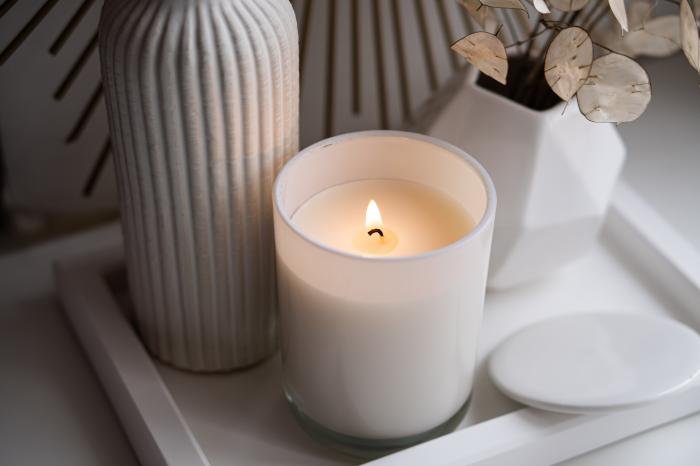
Two of the most important safety practices happen before you even light the match. First, the initial burn is non-negotiable. You must allow the wax to melt fully to the edges of the container on the first lighting. This usually takes 2-4 hours. If you burn it for less time, the candle will form a "memory ring." On subsequent burns, the wax will only melt to that initial ring, tunneling down the center. This creates a deep, hot well that can overheat the container, crack glass, and become a serious hazard. Second, always trim your wick to ¼ inch (about 6mm) before every single lighting. Long or crooked wicks cause high, flickering flames, soot, and excessive heat. A properly trimmed wick promotes a steady, teardrop-shaped flame and an even melt pool.
The Overlooked Hazards of Placement and Drafts
Where you place your candle is about more than just keeping it away from obvious flammables. Never burn a candle on or near anything that can catch fire, including seemingly safe items like bookshelves (which can be made of composite wood) or underneath wall cabinets where heat can accumulate. Crucially, avoid all drafts. A draft doesn’t just make the candle smoke; it causes uneven burning, where one side of the candle melts much faster than the other. This can lead to the container overheating on one side and potentially breaking. It also can blow the flame dangerously close to the container’s edge or cause it to flare up. Keep candles away from vents, fans, open windows, and high-traffic areas where people walking by can create air currents.
Knowing When to Stop: The ½ Inch and 1-Hour Rules
Even a candle in a proper container has its limits. Adhere to these two essential rules:
- The ½-Inch Rule: Stop burning a candle when there is only ½ inch of wax left at the bottom. Continuing to burn it after this point risks the container becoming too hot. For pillar or votive candles without a container, stop use when 2 inches of wax remain.
- The 1-Hour Rule: Never burn a candle, regardless of its size, for more than four hours at a time. After four hours, carbon can build up on the wick (commonly called "mushrooming"), making it unstable and the flame too large. This significantly increases the risk of soot and overheating. Extinguish the candle, let it cool completely for at least two hours, trim the wick, and then you can relight it.
Specialized Safety for Different Candle Types
Not all candles are created equal, and some require specific handling:
- Container Candles: Ensure the container is heat-resistant (like glass, ceramic, or metal). Never move a glass container candle while it is burning or while the wax is still liquid. The glass can be extremely hot and may shatter if the base touches a cold surface.
- Pillar & Votive Candles: These must always be placed on a stable, non-flammable holder (like ceramic, metal, or glass) specifically designed to catch dripping wax. The holder should be wider than the candle’s base.
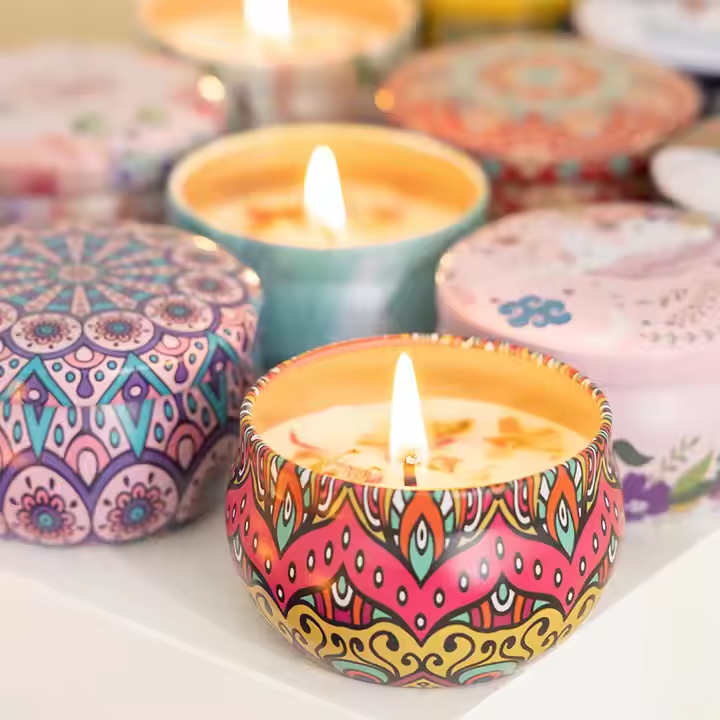
- Novelty & Gel Candles: Exercise extreme caution. Gel candles can burn hotter than wax. Novelty candles with embedded decorations (like shells or flowers) can become projectiles when heated or can ignite. It’s safest to avoid these.
The Right Way to Extinguish and Handle
How you put out the flame matters. Never use water to extinguish a candle; it can cause hot wax to splatter and may crack a glass container. Instead, use a candle snuffer, which starves the flame of oxygen without spreading smoke or disturbing the wax. If you don’t have a snuffer, you can carefully dip the wick into the melted wax using a non-flammable tool (like a wick dipper or metal spoon) and then straighten it. This coats the wick in wax, preventing smoking and making the next lighting easier. Always ensure the wick is centered and upright before the wax solidifies. Finally, let the candle cool completely before touching it or moving it—this can take up to two hours for larger candles.
Candle safety is a blend of vigilance, knowledge, and good habits. By mastering these less obvious tips—the crucial first burn, strategic placement away from drafts, strict adherence to burn-time and wax-depth limits, and proper extinguishing—you transform candle use from a potential hazard into a reliably safe ritual. The glow of a candle is meant to bring peace, not panic. By respecting the flame and its needs, you ensure that the only thing it ever warms is your home and your spirit.
Make it a ritual: Keep a wick trimmer and a candle snuffer next to your candle matches or lighter. This simple act ensures the two most important safety tools are always at your fingertips, making safe practice effortless.




 French
  English
  Spanish
  Portuguese
  Russian
  Polish
  Czech
Czech