
Many boutique fragrance brands hit the same brick wall: manufacturers demanding 10,000‑unit minimums before even starting. That’s capital tied up before you’ve made a single sale.
Low MOQ fragrance manufacturing helps break that barrier—permit custom scents with 200–500 units and let brands test markets without overextending.

Below is a guide (from a manufacturer’s lens) to help fragrance brands choose partners wisely and launch more efficiently.
Benefits of Partnering with a Low MOQ Fragrance Manufacturer
Low MOQ isn’t just a convenience—it can be a strategic advantage.
Reduce Financial Risk & Improve Cash Flexibility
Instead of investing tens of thousands in a bulk order you hope will sell, you can start small. You preserve capital for marketing, packaging, or pivoting to another scent if needed.
Market Testing & Faster Launch
With lower entry thresholds, you can test limited edition scents, gather user feedback, then scale. Many low MOQ operations can go from concept to first production in 8‑12 weeks—faster than traditional manufacturers.
| Metric | Traditional (5,000+ units) | Low MOQ (500–1,000 units) |
|---|---|---|
| Upfront Cost | $15,000 – $20,000 | $1,500 – $3,000 |
| Time to Market | 4 – 6 months | 2 – 3 months |
| Inventory Risk | High | Low |
| Ability to Test Variants | Limited | High |
| Cash Flow Pressure | Severe | Manageable |
Many manufacturers now support smaller brands—e.g. Loveeno (a home fragrance & scented products manufacturer) offers flexible MOQ solutions to serve boutique brands.
How to Evaluate Quality Standards in Small Batch Fragrance Production
Low volume doesn’t mean low quality. Brands must insist on rigorous standards to avoid future liabilities.
Core Certification Standards You Cannot Skip
- IFRA compliance (safety limits on fragrance compounds)
- GMP / ISO certification for the manufacturing facility
- Full regulatory documentation: MSDS, COA, allergen declarations
Partnering with a manufacturer that already holds those certificates saves you a lot of administrative risk.
Critical Quality Tests That Must Be Done
- Stability testing: to ensure scent, color, and separation remain consistent over time
- Microbial testing: to check for bacterial or fungal contamination
- Batch COA (Certificate of Analysis): verifying ingredient purity and concentrations
- Sensory evaluation: human testers to confirm scent performance
What Customization Options Should Small Brands Look for?
Your manufacturing partner should flex—not force—all-or-nothing constraints.
Flexible Minimum Order Tiers
Look for tiered structures: 200 units, 500+ units. This enables testing before scaling.
Modular Packaging & Label Systems
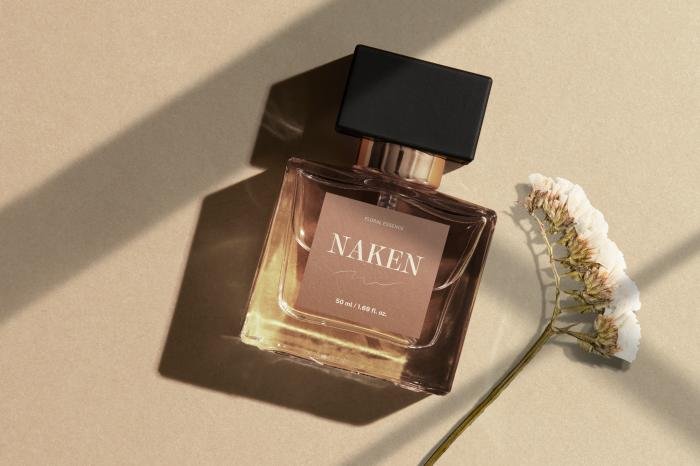
Avoid high-cost custom molds. Use modular bottle designs, interchangeable caps, sleeve labels, or wrap labels so packaging can still look premium without massive upfront tooling.
Collaborative Scent Development
The manufacturer should work with you—not for you. Offer initial fragrance samples based on your brief, then allow 2–4 rounds of refinements included in base service. This iterative approach ensures the result aligns with your brand vision.
| Feature | Startup‑Friendly Approach | Traditional Approach |
|---|---|---|
| Initial MOQ | 200–500 units | 5,000+ units |
| Sample / Revision Rounds | 3–5 included | 1–2, extra cost for changes |
| Packaging Setup Costs | Modular or stock components | Custom molds costing thousands |
| Formula Adjustments | Included or low fee | Expensive add-ons |
| Sample Lead Time | 2–4 weeks | 6–12 weeks |
How Cost Structures Differ in Low MOQ Fragrance Manufacturing
Low MOQ shifts cost emphasis from massive volume to smart operations.
Entry-Level OEM Pricing Models
Rather than relying on huge volume to lower per-unit cost, manufacturers charge a modest formula / setup fee plus a higher per-unit cost for small batches. As volume scales, the per-unit price drops.
Cost-Benefit Analysis: Speed & Flexibility vs. Unit Price
Higher per-unit cost in small batches is offset by reduced financial risk and faster cycles. For small brands, agility often outweighs marginal unit savings.
| Feature | Traditional Bulk | Low MOQ Model |
|---|---|---|
| Minimum Investment | Very high | Lower, manageable |
| Per-Unit Price | Lowest | Moderately higher |
| Mold / Setup Fees | High | More modest or included |
| Inventory Commitment | Large | Scalable, manageable |
| Variant / SKU Testing | Costly | Easier to test different scents |
Realistic Timeline Expectations for Small Batch Fragrance Development
Many brands underestimate development time. Below is a realistic schedule.
Sampling Phase & Revisions
- Initial fragrance samples: 5–7 days
- Revisions (2–4 rounds): 5–7 days each
- Stability & preliminary tests: concurrent
Plan at least 4 weeks for sampling + revisions before finalizing the formula.
Production Lead Time & Launch Planning
| Stage | Estimated Time | Key Considerations |
|---|---|---|
| Raw material & packaging sourcing | 2 – 3 weeks | Availability and custom orders |
| Manufacturing (filling & assembly) | 1 – 2 weeks | Efficiency and production setup |
| Quality checks & packaging | 1 week | Final tests, labeling, boxing |
| Shipping & logistics | 1 – 2 weeks | Freight, customs, local delivery |
From concept to market, expect 3–6 months. Experienced small batch manufacturers can often shorten this by 20–30%.
Conclusion
For small fragrance brands, working with a low MOQ manufacturer isn’t just about cost—it’s about agility, testing, and sustainable growth. A partner who offers:
- Tiered MOQ structures
- Robust quality certification and testing
- Collaborative scent development
- Modular packaging solutions
…gives you the freedom to innovate without drowning in inventory or risk.
As you plan your first or next fragrance launch, prioritize these capabilities when choosing a manufacturing partner. Start small, test smart, scale carefully—and maintain your brand’s authenticity every step of the way.
FAQ
Q1: What MOQ should I expect from low MOQ fragrance manufacturers?
Typically 200 to 500 units, although some partners offer even smaller test volumes (e.g. 100 units).
Q2: Will small batch orders have poor quality?
Not if your manufacturer follows strict standards: all essential certifications, COA tests, stability, and microbial checks should still apply.
Q3: How many sample rounds should I expect?
Expect 2–4 iterations included, so you align with the final product you envision.
Q4: Is per-unit cost much higher at low volume?
Yes, but the trade-off is lower risk, less capital tied up, and more flexibility to pivot.
Q5: Can a low MOQ manufacturer scale with me later?
The best ones have tiered pricing and scaling models so you can start small and grow without switching factories.



 English
  Spanish
  Portuguese
  French
  Russian
  Polish
  Czech
Czech