
A common frustration among fragrance users is the fading of scent—whether from a candle, a reed diffuser, or a room spray. You fall in love with a fragrance, bring it home, and within hours or days, it seems to disappear.
At ENO Aroma, with over a decade of manufacturing expertise, we understand that fragrance performance is influenced by a complex interplay of factors: formulation chemistry, product design, environmental conditions, and usage habits. The good news is that many of these factors are within your control.
This article provides practical, science-backed tips for maximizing scent strength and longevity across different fragrance product types. Whether you are a consumer seeking better performance or a B2B partner looking to guide your customers, these insights will help you get the most from every bottle, candle, or diffuser.
1. Understanding Fragrance Performance: Strength vs. Longevity
Before diving into tips, it is essential to distinguish between two related but distinct concepts:
| Concept | Definition | Influencing Factors |
|---|---|---|
| Scent Strength (Throw) | How strongly the fragrance projects into the space | Volatility of components, concentration, temperature, air circulation |
| Scent Longevity (Duration) | How long the fragrance remains perceptible | Evaporation rate, total oil volume, wicking efficiency, environmental stability |
A fragrance can be powerfully strong but short-lived (common with top-note-heavy formulations), or subtle but long-lasting (typical of base-note-dominant blends). The ideal balance depends on the product type and application.
2. Candle-Specific Tips
Candles remain one of the most popular fragrance formats. Proper use dramatically affects both how strongly they smell and how long they last.
2.1 First Burn: The Memory Burn
The first time you light a candle is the most important moment in its life. Wax has "memory"—it will melt to the same depth on subsequent burns as it did on the first.
The Rule: Burn your candle until the melted wax pool reaches the edge of the container. This typically takes 2-4 hours, depending on the candle’s diameter.
Why It Matters: Burning for too short a time creates a "tunnel"—a narrow melt pool that never reaches the edges. Once a tunnel forms, the candle will continue burning down the center, wasting the wax around the sides. The fragrance trapped in that unused wax will never be released.
Pro Tip: For candles wider than 3 inches (7.6 cm), the first burn may take 3-4 hours. Be patient—this investment pays off over the candle’s entire lifespan.
2.2 Wick Maintenance
The wick is the engine of the candle. Proper wick care ensures optimal fragrance release.
Trimming: Always trim the wick to 3-5mm (about 1/8 to 3/16 inch) before each burn. A wick that is too long produces a larger, smokier flame that burns wax too quickly and can create soot. A wick that is too short may struggle to stay lit or produce a weak melt pool.
Centering: Ensure the wick remains centered. An off-center wick causes uneven melting, reducing both scent throw and longevity.
Debris Removal: Remove any wick trimmings or debris from the wax pool before lighting. Foreign materials can smolder and affect fragrance quality.
2.3 Burn Duration
Optimal Burn Time: Burn candles in sessions of 2-4 hours. Burning for less than 2 hours risks tunneling. Burning for more than 4 hours can overheat the container, accelerate fragrance evaporation, and create excessive soot.
Cooling Between Burns: Allow the candle to cool completely before relighting. This gives the wax time to solidify properly and resets the melt pool for the next burn.
2.4 Proper Extinguishing
Never blow out a candle. Blowing creates smoke, disturbs the wax pool, and can splatter hot wax.
Best Method: Use a candle snuffer, which extinguishes the flame without disturbing the wax or creating smoke.
Alternative: Dip the wick into the melted wax using a wick dipper, then straighten it. This method also primes the wick for the next burn.
2.5 Storage Between Uses
When not in use, store candles properly:
- Keep lids on: Prevents dust accumulation and slows fragrance evaporation
- Cool, dark place: Avoid heat sources and direct sunlight, which degrade fragrance oils
- Upright position: Prevents warping and maintains wax integrity
2.6 When to Retire a Candle
Stop burning a candle when only 1/2 inch (1.25 cm) of wax remains. Burning beyond this point can overheat the container and pose a fire hazard. The remaining wax can be used in a wax warmer.
3. Reed Diffuser-Specific Tips
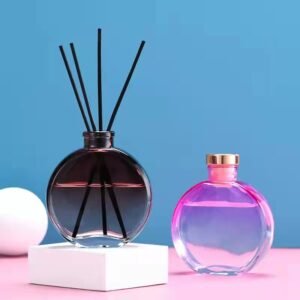
Reed diffusers offer flame-free, continuous fragrance. Their performance depends heavily on proper setup and maintenance.
3.1 Initial Setup
The first 24-48 hours determine the diffuser’s baseline performance.
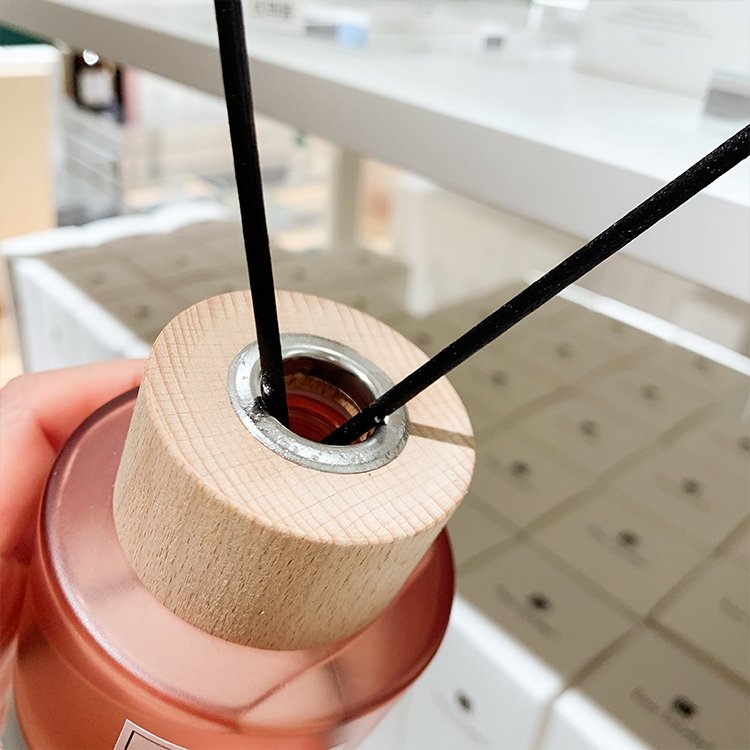
Soak the Reeds: Insert all reeds into the oil and let them soak for 30 minutes. Then, remove them, flip them upside down (so the saturated end is now in the air), and reinsert. This initial flip accelerates the capillary action and immediately increases scent throw.
Number of Reeds: Start with the number of reeds included. For stronger throw, add more reeds (if you have extras). For subtler scent, remove a few reeds. More reeds = more evaporation surface = stronger scent but faster oil consumption.
3.2 Regular Maintenance
Weekly Flipping: Once per week, flip all the reeds. The ends that were submerged become exposed to air, releasing a fresh burst of fragrance. This simple act can double the perceived scent strength.
Cleaning: Over time, reeds can become clogged with dust. If flipping no longer restores scent throw, replace the reeds entirely (typically every 2-3 months).
3.3 Placement Optimization
Location dramatically affects diffuser performance.
Do’s:
- Place in areas with gentle air circulation (hallways, near doorways)
- Position at nose level or slightly below (scent rises)
- Locate in high-traffic areas where air movement is natural
Don’ts:
- Avoid direct sunlight (degrades fragrance oil)
- Avoid heat sources (radiators, vents, appliances) which accelerate evaporation
- Avoid corners or enclosed spaces where air is stagnant
- Avoid drafty areas where scent is carried away too quickly
3.4 Container Selection
The diffuser vessel itself matters. Narrow openings restrict airflow; wide openings allow more evaporation. Some premium diffusers use specially designed openings to control release rates.
3.5 Oil Level Management
When the oil level drops below 1/3 of the bottle height, evaporation slows significantly. Refill with the same fragrance or replace the unit. Never mix different fragrance oils in the same diffuser.
3.6 Reed Quality Matters
Not all reeds are equal. Natural rattan reeds with visible pores and a rough texture perform best. Painted or sealed reeds may look nicer but often underperform because the coating blocks the capillary channels.
4. Room Spray-Specific Tips
Room sprays offer immediate, on-demand fragrance. Their performance depends on formulation quality and application technique.
4.1 Proper Application Technique
Distance: Hold the spray bottle 12-18 inches (30-45 cm) from the target surface. Spraying too close creates wet spots; too far wastes product.
Direction: Spray upward, toward the ceiling, rather than directly at surfaces. This allows the fine mist to disperse evenly and stay suspended in the air longer.
Number of Sprays: Start with 2-3 sprays. Wait 30 seconds to assess intensity before adding more. Over-spraying does not increase longevity—it only wastes product and can create an overpowering initial blast.
Target Areas: Spray toward soft surfaces (curtains, upholstery, carpets) rather than hard surfaces (walls, glass). Soft surfaces absorb and slowly release fragrance, extending longevity.
4.2 Avoiding Fabric Damage
Before spraying on fabrics, test on an inconspicuous area. Some formulations may stain or leave residue. Water-based sprays are generally safer for fabrics than alcohol-based ones.
4.3 Layering for Longevity
For longer-lasting results, layer your fragrance:
- Start with a scented candle in the room
- Follow with a reed diffuser for continuous background scent
- Use room spray for targeted bursts when needed
This multi-format approach creates a richer, more persistent olfactory environment.
4.4 Storage
Store room sprays in a cool, dark place. Heat and light accelerate degradation of fragrance oils. Most room sprays maintain optimal performance for 12-24 months when stored properly.
5. General Tips Across All Product Types
These principles apply regardless of the specific fragrance product.
5.1 Understand Fragrance Notes
Fragrances are composed of three layers:
| Note Type | Characteristics | Longevity |
|---|---|---|
| Top Notes | Light, fresh, volatile (citrus, herbs, light fruits) | Minutes to 1 hour |
| Heart Notes | The "body" of the fragrance (floral, spice, green) | 1-4 hours |
| Base Notes | Deep, rich, slow-evaporating (wood, amber, vanilla, musk) | 4-12+ hours |
Products dominated by top notes will seem strong initially but fade quickly. Products with robust base notes take longer to develop but last much longer. For maximum longevity, choose fragrances with strong base notes.
5.2 Temperature Matters
Heat accelerates evaporation. In warm conditions:
- Candles burn faster (larger melt pools)
- Reed diffusers release scent more strongly but deplete faster
- Room sprays evaporate more quickly from surfaces
In cooler conditions, all fragrance products release scent more slowly and last longer.
5.3 Humidity Effects
Higher humidity generally enhances fragrance perception. Moist air holds scent molecules more effectively than dry air. This is why fragrance often seems stronger in bathrooms or after rain.
5.4 Air Circulation Balance
Some air movement helps disperse fragrance. Too much airflow (fans, open windows, HVAC vents) carries scent away too quickly. Too little airflow traps scent near the source.
Optimal: Gentle, natural air circulation from foot traffic or passive airflow.
5.5 Nose Blindness (Olfactory Adaptation)
The most common reason people think their fragrance has disappeared is olfactory adaptation—your nose stops perceiving a constant scent to focus on new information.
Solution: Leave the room for 15-30 minutes, then return. You will likely notice the fragrance again. Ask guests or family members for their perception; they often smell what you cannot.
5.6 Quality Matters
Higher-quality formulations use better raw materials and more sophisticated chemistry. They generally perform better across all metrics—strength, longevity, and stability. The initial investment in quality pays off in superior performance.
6. Environmental Factors Summary
| Factor | Effect on Strength | Effect on Longevity |
|---|---|---|
| Higher Temperature | Increases | Decreases |
| Lower Temperature | Decreases | Increases |
| Higher Humidity | Increases | Slight decrease |
| Air Circulation (moderate) | Increases | Slight decrease |
| Direct Sunlight | Degrades quality | Significantly decreases |
| Enclosed Space | Concentrates | Increases (less dissipation) |
7. Common Mistakes to Avoid
| Mistake | Why It Hurts Performance | Correct Approach |
|---|---|---|
| Never trimming candle wicks | Larger flame, faster burn, soot | Trim to 3-5mm before each burn |
| Short first burn | Tunneling, wasted wax | Burn until pool reaches edges (2-4 hours) |
| Never flipping diffuser reeds | Clogged reeds, weak scent | Flip weekly |
| Placing diffuser in direct sunlight | Oil degradation, faster depletion | Place in shaded area |
| Over-spraying room spray | Waste, overpowering initial blast | Start with 2-3 sprays, wait |
| Storing products near heat | Accelerated aging | Store cool and dark |
| Ignoring olfactory adaptation | Unnecessary product waste | Leave room, return, ask others |
8. Product-Specific Quick Reference
| Action | Candle | Reed Diffuser | Room Spray |
|---|---|---|---|
| First Use | Burn 2-4 hours until full melt pool | Soak reeds 30 min, flip, reinsert | Test 2-3 sprays |
| Regular Maintenance | Trim wick before each burn | Flip reeds weekly | N/A |
| Placement | Away from drafts, on stable surface | Nose level, gentle airflow | N/A |
| Refill/Replace | When 1/2 inch wax remains | Every 2-3 months or when oil depleted | When empty |
| Storage | Cool, dark, lid on | Cool, dark, cap on | Cool, dark |
| Lifespan | 20-50 hours (depending on size) | 2-4 months (depending on oil volume) | 12-24 months (unopened) |
9. When to Replace Your Fragrance Products
Even with perfect care, fragrance products do not last forever.
Candles: Replace when wax reaches 1/2 inch (1.25 cm) depth. The last 1/2 inch should not be burned for safety reasons.
Reed Diffusers: Replace when oil is depleted or when flipping reeds no longer restores scent (typically 2-4 months, depending on oil volume and environmental conditions).
Room Sprays: Most remain effective for 12-24 months when stored properly. Discard if the scent changes noticeably (becomes sour, metallic, or "off") or if the liquid changes color or consistency.
10. Conclusion: Small Habits, Big Differences
Maximizing scent strength and longevity does not require expensive equipment or complicated rituals. It requires understanding how your fragrance products work and adopting a few simple habits: trimming wicks, flipping reeds, proper placement, and patience with first burns.
At ENO Aroma, we formulate our products with performance in mind. But even the best formulation cannot overcome improper use. By following these tips, you can ensure that every candle, diffuser, and room spray delivers the rich, lasting fragrance experience it was designed to provide.
For our B2B partners, we offer formulations optimized for performance across all product types. Our technical team can provide guidance on usage instructions to include with your products, helping your customers achieve the best possible experience.
Want to learn more about optimizing fragrance performance? Contact ENO Aroma to discuss formulation options and technical support for your product line.



 English
  Spanish
  Portuguese
  French
  Russian
  Polish
  Czech
Czech