
To ensure a perfume smells exactly the same in every single bottle, manufacturers combine the art of perfumery with a rigorous, multi-stage science of quality control and protection. The goal of absolute "batch-to-batch" consistency is achieved by controlling every single part of the process, from raw materials and precise manufacturing to the final evaluation of the finished product.
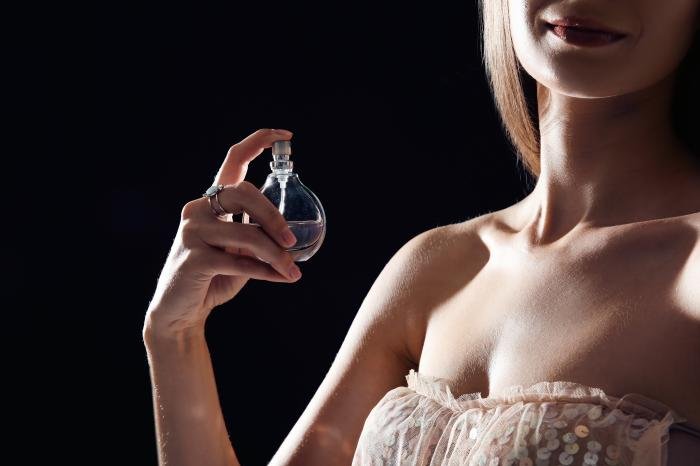
Here’s a breakdown of the key stages involved in ensuring scent stability and consistency.
Ingredient & Formulation Control
The foundation of consistency is precise and stable formulation.- Precise Modeling: Creating a stable perfume formula is highly challenging due to the complex mix of ingredients with different chemical properties. Advanced scientific modeling, such as the Hydrophilic-Lipophilic Difference (HLD) model, is used to predict how fragrance oils will behave in a base (like alcohol or oil), ensuring the mixture stays stable and doesn’t separate or change over time.
- Stabilizing Additives: To protect the scent, formulators add specific ingredients, such as antioxidants oraz chelators, which prevent the fragrance oils from reacting with oxygen or trace metals that could degrade the scent. However, these additives sometimes have drawbacks, which has driven innovation toward alternative protection methods.
Manufacturing & Process Standardization
Once the formula is set, manufacturing must be executed with precision.- Standardized Procedures (QbD): Manufacturers apply principles like "Quality by Design" (QbD) to production. This means every step—from the order ingredients are added, to mixing speeds, temperatures, and filling processes—is strictly defined and controlled to produce identical results every time.
- Advanced Production Techniques: For complex formulas, techniques like molecular distillation can be used for precise separation and purification of natural materials, ensuring the raw ingredients themselves are consistent before blending.
Rigorous Quality Control & Sensory Testing
This is where the human nose meets scientific analysis to verify consistency.- Instrumental Analysis: Sophisticated equipment like gas chromatographs and mass spectrometers are used to create a chemical "fingerprint" of a perfume batch. This fingerprint is compared to the standard to ensure the chemical composition matches exactly.
- The Human Nose (Sensory Panels): The most critical test is conducted by trained human experts. Quantitative Descriptive Analysis (QDA) is a standardized method where a panel of trained assessors evaluates and scores the perfume against a pre-defined sensory profile. They don’t just say if it smells "good," but precisely measure attributes like "rosy," "woody," or "citrusy" to ensure the sensory experience is identical. For batch comparison, specific tests (like the 6-6 test) are designed to detect even tiny, unwanted differences that machines might miss.

Advanced Packaging & Stability Protection
The final, often overlooked, defense is protecting the perfume after it’s bottled.- Protection from Light: Light, especially ultraviolet (UV) rays, is a major enemy of fragrance stability, causing scent degradation and color changes. Traditionally, chemical UV filters were added to the perfume, but these could alter the scent. Newer innovations apply a UV-filtering varnish directly to the glass bottle, protecting the fragrance without touching the formula itself.
- Controlled Storage: Manufacturers define strict storage conditions (temperature, humidity) and perform accelerated stability testing to predict how a perfume will age over years, ensuring it remains stable on the shelf and in your home.
Summary: A Multi-Layered Approach
Ultimately, a perfume manufacturer ensures consistency through a layered strategy:- Formulation: Using scientific models to create inherently stable recipes.
- Produkcja: Standardizing every single step of the manufacturing process.
- Verification: Combining chemical analysis with expert sensory panels to catch any deviation.
- Ochrona: Innovating in packaging to shield the finished product from external damage.

I hope this gives you a clear picture of the meticulous science behind your favorite scent’s reliability. If you’re curious about how any one of these stages works in more detail—like how a sensory panel is trained or how stability testing is done—feel free to ask.



 Polish
  English
  Spanish
  Portuguese
  French
  Russian
  Czech
Czech