
Essential oils are widely associated with wellness, relaxation, and natural living. Yet despite their popularity, many people — including brands and businesses — misuse essential oils without realizing it. Improper usage can reduce effectiveness, waste valuable materials, or even create safety concerns.
Whether you are a consumer, a spa brand, or a home fragrance business, understanding the right way to use essential oils is essential to achieving both performance and safety.
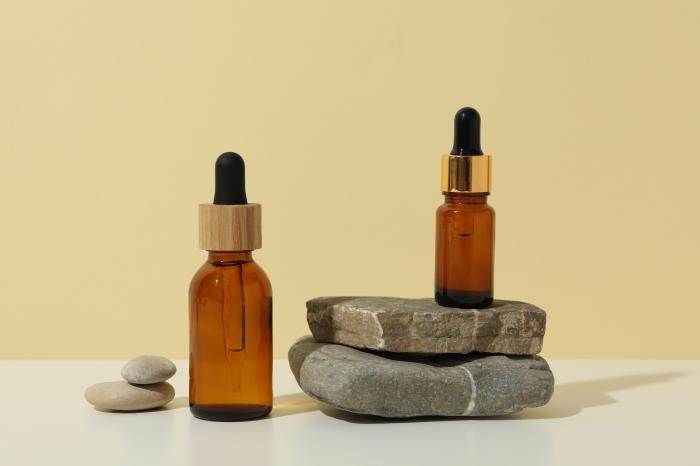
1. Essential Oils Are Not Ready-to-Use Products
One of the most common misconceptions is that essential oils can be used directly from the bottle.
In reality:
- Os óleos essenciais são highly concentrated aromatic extracts
- Most are not designed for undiluted use
- Direct application can cause skin irritation, sensitization, or allergic reactions
Correct approach:
Essential oils should be properly diluted in carrier oils, cosmetic bases, or professional fragrance systems depending on the application.
2. “More Oil” Does Not Mean Better Performance
Using a higher concentration does not guarantee stronger scent or longer-lasting results.
Overuse can:
- Create harsh or overwhelming aromas
- Reduce diffusion quality in air care products
- Increase oxidation and scent instability
- Raise regulatory and safety risks
In professional fragrance development, balance matters more than intensity.
Correct approach:
Well-designed formulations use precise ratios that optimize diffusion, longevity, and comfort.
3. Not All Essential Oils Are Suitable for Every Application
An essential oil that works beautifully in a diffuser may perform poorly—or unsafely—in:
- Room sprays
- Velas
- Personal care products
- Hospitality environments
Some oils are:
- Too heavy to diffuse evenly
- Photosensitive or allergenic
- Unstable in alcohol-based systems
Correct approach:
Always evaluate essential oils based on the end product, environment, and user exposure.
4. Blending Without Knowledge Can Ruin a Formula
Many people attempt DIY blending without understanding:
- Volatility levels (top, middle, base notes)
- Chemical compatibility
- Oxidation rates
- Stability over time
Poor blending can lead to:
- Flat or muddy scents
- Separation or discoloration
- Short shelf life
Correct approach:
Professional fragrance development considers both olfactive structure and technical performance.
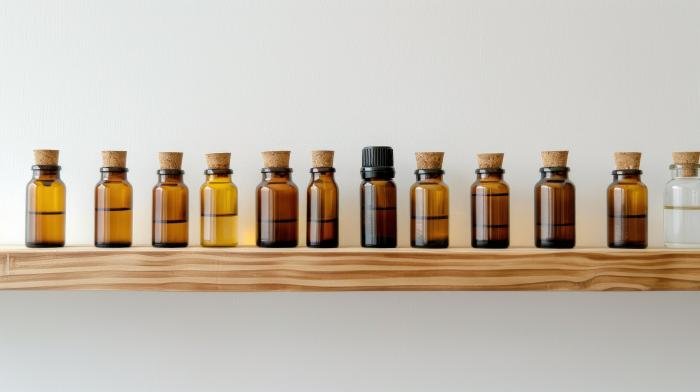
5. Natural Does Not Automatically Mean Safe
“Natural” is often mistaken for “risk-free.”
Some essential oils:
- Require usage limits under IFRA guidelines
- Contain naturally occurring allergens
- Are restricted in certain markets
Using essential oils incorrectly can create compliance issues, especially for brands selling internationally.
Correct approach:
Always follow regulatory standards and conduct proper safety assessments.
6. Essential Oils vs. Fine Fragrance Compounds
Essential oils are powerful, but they are not always the best standalone solution.
In professional home fragrance:
- Essential oils may lack longevity
- Scent consistency can vary due to crop and harvest differences
- Fine fragrance materials can enhance stability and performance
Correct approach:
The most refined products often combine natural essential oils with carefully selected aroma molecules to achieve balance, elegance, and reliability.
How to Use Essential Oils the Right Way
If you want professional-level results, follow these principles:
- Choose oils based on application, not trend
- Dilute correctly using suitable bases
- Blend with intention and structure
- Test for stability, diffusion, and safety
- Work with experienced fragrance developers when scaling a product
Final Thoughts
Essential oils are powerful tools—but only when used correctly. Misuse can compromise scent quality, safety, and brand credibility. Whether you are creating a personal ritual or launching a commercial fragrance product, expert formulation makes the difference between a good idea and an exceptional experience.
At a professional aroma factory, essential oils are not used casually—they are engineered into refined, stable, and compliant fragrance systems designed to perform beautifully in real spaces.


 Portuguese
  English
  Spanish
  French
  Russian
  Polish
  Czech
Czech