
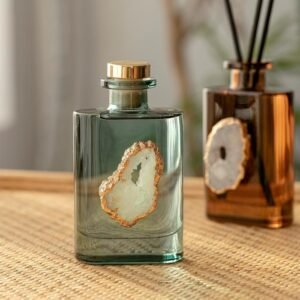
You ran out of your favorite perfume. That lovely room spray bottle is sitting there, smelling just as good. But is it really okay to use it on your skin?
No, using room spray as perfume is not recommended. Room sprays are made for air and fabrics, not direct skin contact. Their ingredients and formulations can cause skin irritation, allergic reactions, and may even lack the longevity and complexity of a real perfume.
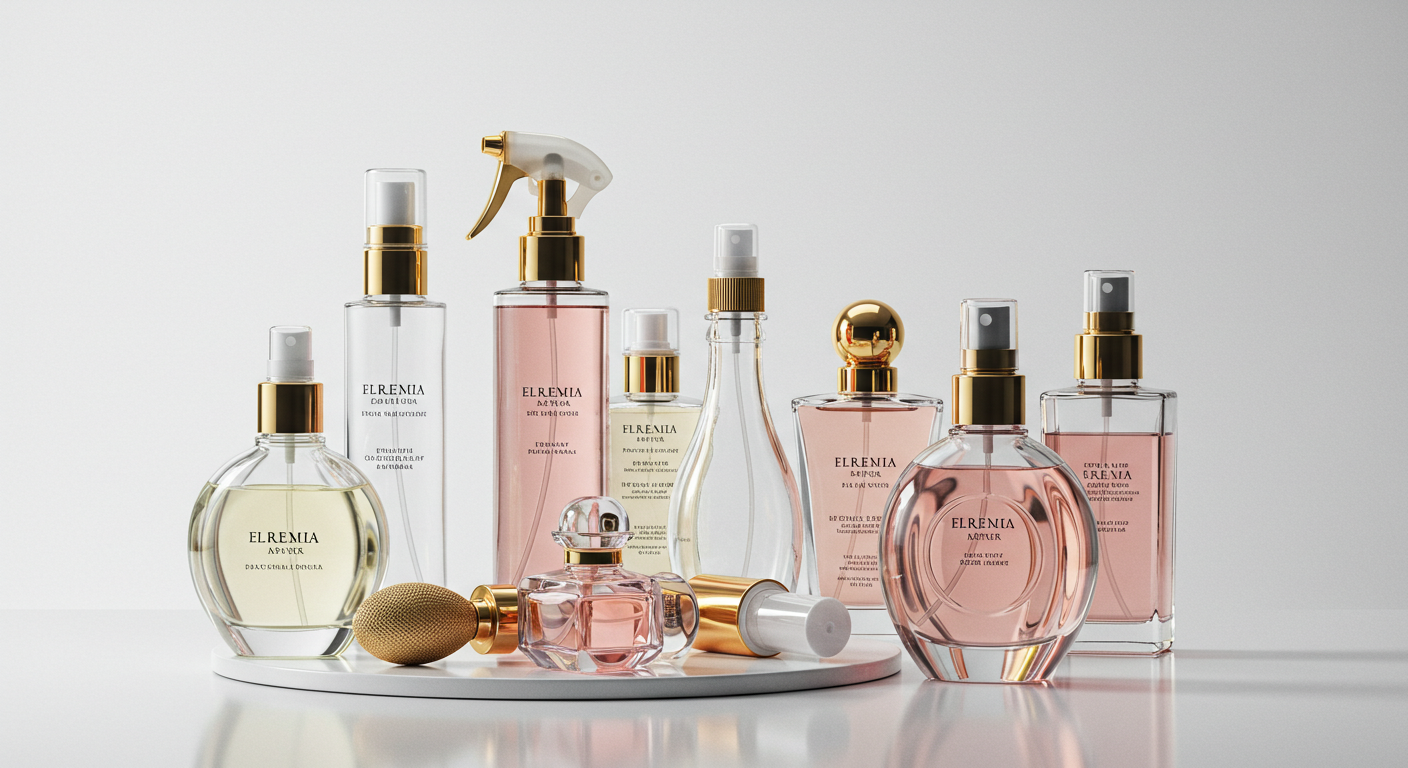
As someone who works with aromatic products, I understand the temptation. You love a scent. You want to wear it. But there is a big difference between spraying something in the air and putting it on your body. Let me explain why.
Are Room Sprays Made for Your Skin?
You might think all sprays are the same. But the way they are put together matters. What makes a room spray different from a perfume?
Room sprays contain different carrier liquids, alcohol content, and sometimes propellants or fabric-specific chemicals that are not designed for direct skin application. This difference in formulation can lead to immediate skin irritation, dryness, or allergic reactions.
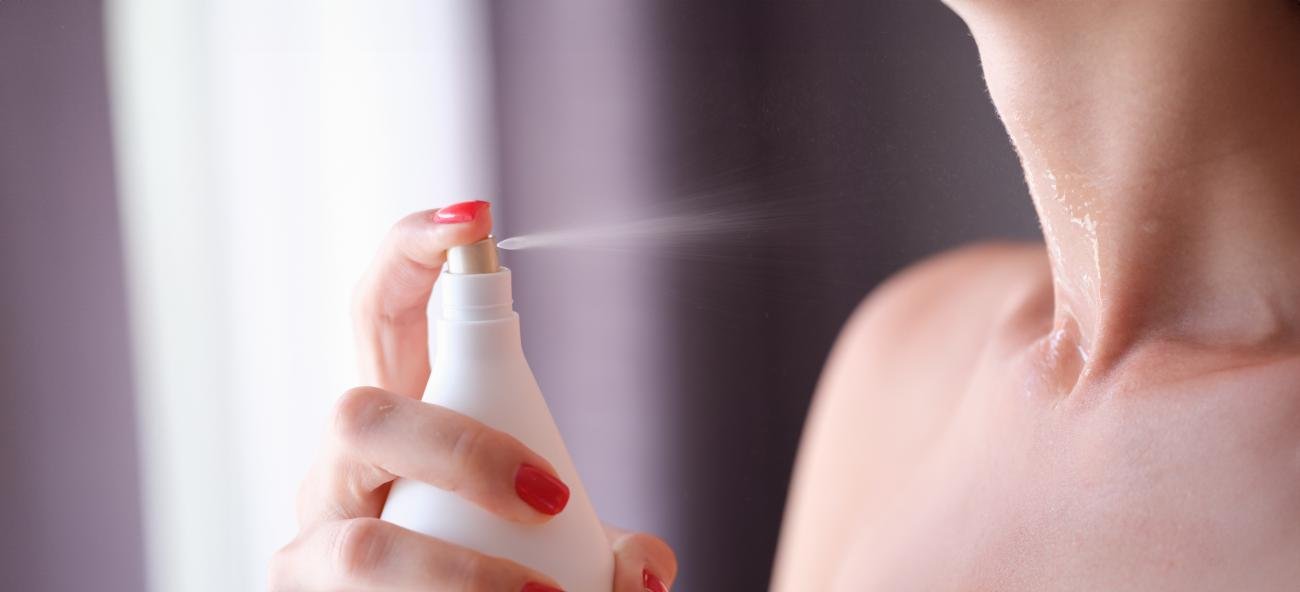
This is the most important point. Perfumes and room sprays are two very different products. They have different purposes. They are made with different ingredients. Perfumes are carefully made to be safe for your skin. They use cosmetic-grade alcohol. They use specific ingredients to help the scent stick to your skin. They are balanced to smell good as they mix with your body chemistry. Room sprays are not.
Room sprays are made to go into the air. They are made to spray on fabrics. They often use different types of alcohol. This alcohol can be harsher on skin. It can cause dryness. It can cause irritation. Some room sprays contain propellants. These are chemicals that push the spray out of the bottle. These propellants are not meant for skin. They can cause a cold shock. They can also dry out your skin.
My rule of thumb is always: if a product does not say it is for skin, do not put it on your skin. Your skin is your largest organ. It absorbs what you put on it. You want to make sure what you put on it is safe.
| Tipo de Ingrediente | Role in Room Spray | Why Bad for Skin |
|---|---|---|
| Industrial Alcohol | Cheap solvent for air dispersal. | Can be harsh, drying, irritating to skin; not cosmetic grade. |
| Propellants | Push spray out of aerosol can. | Can cause skin irritation, dryness, or a chilling effect. |
| Fabric Conditioners | Help scent cling to textiles, reduce wrinkles. | Not tested for human skin safety; can cause rashes or allergic reactions. |
| Higher VOCs | Designed to quickly evaporate in air. | Can cause irritation, dryness, or sensitization with prolonged skin contact. |
Do Room Sprays Contain Hidden Harmful Chemicals?
That amazing scent might come from ingredients you do not want on your body. Are you sure about what is truly in that bottle?
Room sprays often contain cheaper, more volatile synthetic fragrance compounds, anti-bacterial agents, or odor neutralizers not intended for human skin. Direct contact with these chemicals can lead to sensitization, contact dermatitis, or even systemic absorption of potentially toxic substances.

This is another big reason to avoid using room spray as perfume. The ingredients in room sprays are often chosen for cost-effectiveness and performance in the air. They are not chosen for their safety on human skin. Many room sprays contain synthetic fragrances. These are man-made chemicals designed to smell like certain things. Some of these chemicals can be very irritating. They can cause allergic reactions. These reactions can be a red rash. They can be itching. Sometimes, they can even cause blisters.
Some room sprays also have anti-bacterial agents. Some have odor neutralizers. These chemicals are good for killing germs in the air or on surfaces. But they are not good for your skin. They can disrupt your skin’s natural barrier. This can make your skin more vulnerable. It can lead to dryness. It can lead to breakouts.
My company, ENO, focuses on therapeutic-grade essential oils. We know the difference in purity. We know the safety protocols. Room spray manufacturers do not usually follow the same strict safety rules as perfume makers for skin contact. They do not have to. Their product is for the air. It is very different. Do not expose your body to chemicals not meant for it.
| Chemical Type | Purpose in Room Spray | Risk on Skin |
|---|---|---|
| Synthetic Fragrances | Cheaper scent, strong throw in air. | Allergic reactions, skin irritation, sensitization, potential long-term health effects (e.g., phthalates). |
| Anti-bacterial Agents | Kill germs, freshen air. | Can be harsh, strip skin’s natural oils, cause dryness or irritation. |
| Odor Neutralizers | Bind to and eliminate bad smells. | Not designed for skin; can cause irritation or unexpected chemical reactions on skin. |
| Dyes/Colorants | Make product visually appealing. | Allergic reactions, skin staining, potential for skin sensitivity. |
Will It Even Smell Good on You?
You love the way it fills a room. But will it last on your skin? And will it even smell the same on your body?
Room sprays are not designed for the complex interaction with body heat and skin chemistry that perfumes are. Their scent profiles are typically simpler and more volatile, meaning the fragrance will dissipate quickly and may not evolve pleasantly on your skin, leading to a flat or unpleasant aroma.

Perfumes are works of art. They are designed to interact with your skin. They have different layers of scent. These are called top, middle, and base notes. The top notes smell first. They fade fast. Middle notes come next. Base notes last the longest. This creates a complex scent journey. It changes over time as you wear it. This is why perfumes can smell so rich. This is why they last for hours.
Room sprays are much simpler. They are designed for an immediate burst of scent. They are designed to fill a room. They do not have those complex layers. They do not have good fixatives. Fixatives are ingredients that help a perfume last on your skin. Without fixatives, the scent will disappear fast. Very fast.
Also, your body chemistry plays a big role. Your skin has a certain pH. Your skin has natural oils. Your body temperature is warm. These things make a perfume smell unique on you. Room sprays are not made to react with your body. So, they might smell great in the air. But on your skin, they can smell flat. They can smell chemical. Or they can disappear in minutes. You certainly do not want this for a personal scent.
| Caraterística | Perfume | Spray de ambiente |
|---|---|---|
| Scent Complexity | Designed with top, middle, base notes for evolving aroma. | Often a single, simple burst of scent. |
| Longevidade | Contains fixatives and higher concentration to last hours on skin. | Volatile formulation; scent dissipates quickly in air and on skin. |
| Skin Interaction | Formulated to meld with body chemistry, develop over time. | Not designed to interact with skin; may smell "flat" or off. |
| Intended Use | Personal wear, close-quarters enjoyment. | Filling a space, freshening fabrics. |
Could Your Room Spray Cause a Sunburn or Stains?
Beyond irritation, some ingredients react badly with sunlight. Are you risking a nasty reaction or ruining your clothes?
Some room sprays, especially those with citrus-derived fragrance compounds or strong dyes, can cause phototoxic reactions on skin when exposed to sunlight, leading to severe burns or discoloration. They may also contain colorants or oils that can permanently stain clothing.
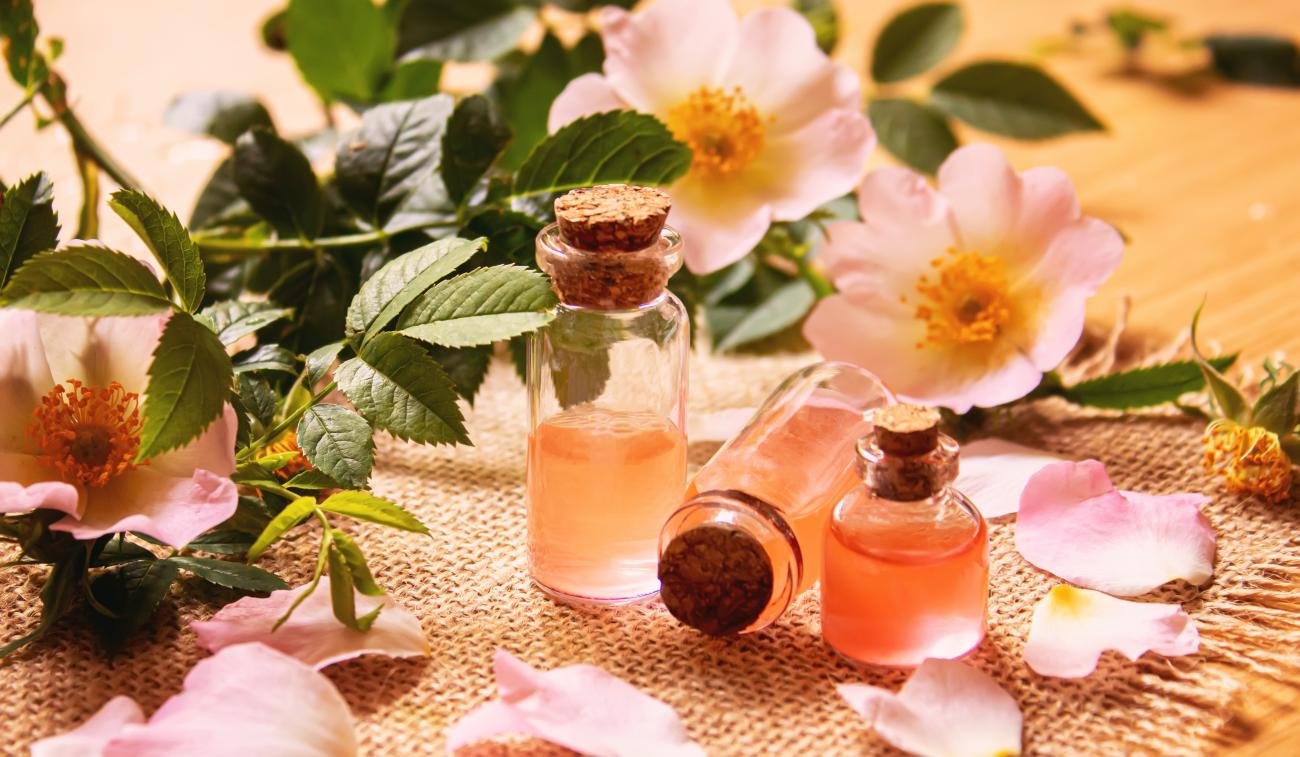
Este perigo é muito preocupante. Alguns óleos essenciais, especialmente os cítricos, contêm compostos chamados furanocumarinas. Esses compostos reagem com a luz UV do sol. Se você borrifar até mesmo um aromatizante ambiental natural com esses óleos diretamente na pele e depois se expor ao sol, corre o risco de sofrer uma reação fototóxica. Isso não é apenas uma queimadura solar comum. É uma queimadura química. Causa vermelhidão intensa. Pode causar bolhas dolorosas. Pode deixar manchas escuras na pele. Essas manchas podem durar meses ou até anos. Esse risco é maior com produtos concentrados. Aromatizantes ambientais podem conter esses óleos em concentração mais alta do que é segura para aplicação direta na pele.
Além disso, muitos aromatizantes ambientais contêm corantes. Esses corantes deixam o produto bonito no frasco. Mas se você borrifá-los em suas roupas, eles podem causar manchas permanentes. Perfumes são formulados para serem transparentes ou usam corantes muito seguros e que não mancham. Aromatizantes ambientais não seguem o mesmo padrão.
Portanto, você não está apenas arriscando danificar a pele. Você também está arriscando estragar sua camisa ou vestido favorito. Simplesmente não vale a pena o risco. Use os produtos para a finalidade a que se destinam. Proteja sua pele e seu guarda-roupa.
| Perigo | Causa no Aromatizante Ambiental | Efeito |
|---|---|---|
| Fotossensibilidade | Óleos essenciais cítricos (ex.: óleo de bergamota) ou certos compostos sintéticos cítricos. | Queimaduras graves na pele, formação de bolhas, hiperpigmentação duradoura (manchas escuras) quando exposto à luz UV. |
| Manchas na Pele | Corantes ou corantes artificiais no spray. | Descoloração temporária ou permanente da pele. |
| Manchas em Tecidos | Corantes, óleos ou outros compostos não voláteis. | Marcas ou descoloração permanente em roupas, especialmente em tecidos claros. |
| Irritação por Corantes | Corantes químicos podem causar reações alérgicas. | Vermelhidão, coceira, erupção cutânea na pele. |
Conclusão
Em resumo, embora a tentação seja compreensível, os aromatizantes ambientais simplesmente não são formulados para uso pessoal. Priorize a saúde da sua pele e a integridade da sua experiência com fragrâncias usando produtos projetados para sua finalidade específica.


 Portuguese
  English
  Spanish
  French
  Russian
  Polish
  Czech
Czech