
Encomendas óleo essencial de lavanda a dois fornecedores diferentes e, quando chegam, têm aromas completamente diferentes. Uma cliente contou-me recentemente que esta situação específica a levou a questionar-se se um dos óleos seria falso.
Um mesmo óleo perfumado pode ter um aroma diferente consoante o fabricante, devido às diferenças nas fontes de matéria-prima, nos métodos de extração, nas proporções entre ingredientes sintéticos e naturais e nas normas de controlo de qualidade. Estas variáveis de produção criam perfis aromáticos distintos, mesmo quando o rótulo do produto apresenta a mesma denominação.
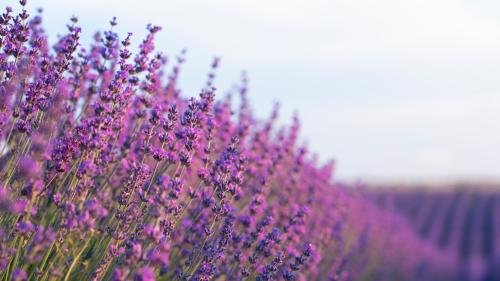
Ao longo dos meus 15 anos de trabalho com fabricantes de fragrâncias em todo o mundo, descobri que esta variação não tem nada a ver com engano. Tem a ver com a complexa realidade de como os óleos de fragrância são, na verdade, produzidos. Deixem-me explicar o que realmente se passa por trás desses nomes de produtos idênticos.
De que forma as fontes de matéria-prima criam perfis de aroma diferentes?
A origem geográfica e as condições de cultivo das plantas aromáticas alteram profundamente a sua composição química e a fragrância daí resultante.
As plantas produtoras de óleos essenciais de diferentes regiões contêm concentrações variáveis de compostos aromáticos devido ao clima, ao solo, à altitude e às práticas de colheita. O óleo de rosa búlgaro difere quimicamente do óleo de rosa turco, criando aromas distintos, apesar de se tratarem da mesma espécie vegetal.
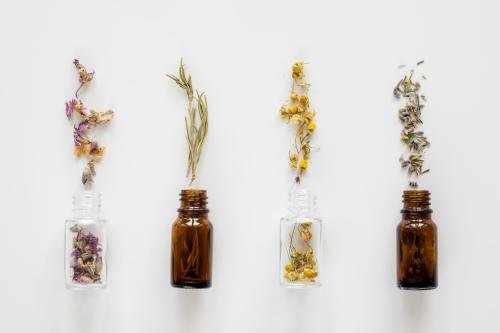
Trabalho com fornecedores em vários continentes e as diferenças regionais são notáveis. Quando analiso o óleo de bergamota da Calábria, em Itália, em comparação com a bergamota da Turquia, os relatórios laboratoriais revelam perfis de terpenos completamente diferentes. A versão italiana contém normalmente 35-45% de limoneno, enquanto a bergamota turca apresenta frequentemente 25-35%. Não se trata de uma diferença de qualidade, mas sim de uma realidade geográfica.
Variações regionais na composição química de óleos populares
| Óleo essencial | Região de cultivo | Composto principal | Faixa Percentual | Características do aroma |
|---|---|---|---|---|
| Lavanda | Provença, França | Linalol | 35-45% | Doce, floral, requintado |
| Lavanda | Bulgária | Linalol | 25-35% | Mais intenso, com um aroma mais a cânfora |
| Eucalipto | Austrália | Eucaliptol | 70-80% | Limpo, medicinal |
| Eucalipto | Espanha | Eucaliptol | 60-70% | Mais suave, menos intenso |
| Hortelã-pimenta | Noroeste do Pacífico dos EUA | Mentol | 40-50% | Refrescante, intenso |
| Hortelã-pimenta | Índia | Mentol | 25-35% | Mais quente, com um toque mais a ervas |
Os padrões meteorológicos durante as épocas de cultivo acrescentam mais uma variável. As condições de seca costumam concentrar os compostos aromáticos, enquanto a chuva excessiva os dilui. Alguns fabricantes adquirem os óleos de uma única exploração agrícola para garantir a consistência, enquanto outros misturam óleos provenientes de várias regiões. Já observei que o óleo de lavanda do mesmo fornecedor tem um aroma visivelmente diferente entre as colheitas da primavera e do outono, simplesmente devido às condições sazonais de cultivo.
Que impacto têm os métodos de extração na fragrância final?
Diferentes técnicas de extração permitem obter compostos aromáticos distintos a partir de matérias-primas idênticas, criando perfis aromáticos distintos.
A destilação a vapor capta as notas de cabeça voláteis, mas pode perder os compostos de base mais pesados, enquanto a extração com CO₂ preserva perfis aromáticos mais completos. A extração com solvente e a prensagem a frio produzem, cada uma, composições químicas únicas a partir do mesmo material vegetal.
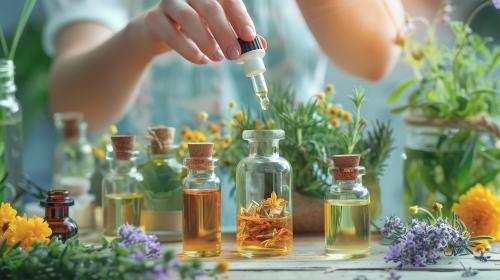
As escolhas técnicas que os fabricantes fazem durante a extração alteram drasticamente o que acaba por ir para a garrafa. Já processei lotes idênticos de pétalas de rosa utilizando métodos diferentes e produzi óleos com aromas semelhantes, mas distintamente diferentes. A destilação a vapor proporciona-nos um aroma clássico e fresco de rosa, enquanto a extração com CO₂ cria aromas mais profundos e complexos, com notas verdes.
Tabela comparativa de métodos de extração
| Método de extração | Temperatura de funcionamento | Compostos extraídos | Perfil olfativo resultante | Fator de custo |
|---|---|---|---|---|
| Destilação a vapor | 100 °C+ | Moléculas leves e voláteis | Luminoso, fresco, tradicional | Baixa |
| Extração com CO₂ | 31 °C | Compostos de espectro completo | Intenso, complexo, fiel ao sabor natural da planta | Elevado |
| Extração por solvente | Variável | Moléculas aromáticas pesadas | Profundo, por vezes severo | Médio |
| Expressão a frio | Ambiente | Apenas óleos cítricos | Vívido, instável, natural | Baixa |
| Enfleurage | Ambiente | Motivos florais delicados | Sutil, requintado, caro | Muito elevado |
A qualidade do equipamento constitui outro fator de variação. Os sistemas de destilação modernos, com controlos precisos de temperatura, preservam os compostos aromáticos mais delicados em comparação com as instalações mais básicas. Quando visito instalações de fabrico, consigo muitas vezes prever a qualidade do óleo apenas examinando o equipamento de extração. Sistemas sofisticados e bem conservados produzem resultados mais consistentes, enquanto o equipamento mais antigo introduz variações de lote para lote que os clientes notam no aroma final.
De que forma as proporções de mistura de materiais sintéticos afetam os nomes de produtos idênticos?
A maioria dos óleos perfumados comerciais combina extratos naturais com substâncias químicas aromáticas sintéticas, e os fabricantes utilizam abordagens de formulação muito diferentes.
Um óleo perfumado de "baunilha" de um fabricante pode conter extrato natural de baunilha 80%, enquanto o óleo de "baunilha" de outra empresa utiliza apenas 10% de conteúdo natural. Estas diferentes proporções entre ingredientes naturais e sintéticos criam experiências olfativas completamente diferentes, mesmo com nomes de produto idênticos.
A indústria dos perfumes baseia-se em formulações complexas que constituem segredos comerciais exclusivos. O que os consumidores consideram "óleo essencial de rosa" pode, na realidade, ser uma mistura sofisticada de óleo essencial natural de rosa otto, geraniol sintético, álcool feniletílico e citronelol. Cada fabricante opta por proporções diferentes, consoante o seu mercado-alvo, a gama de preços e a sua filosofia de formulação.
Posicionamento no mercado e estratégias de mistura
| Mercado-alvo | Conteúdo natural | Conteúdo Sintético | Preço | Foco na Qualidade |
|---|---|---|---|---|
| Terapêutica/Aromaterapia | 85-100% | 0-15% | Prémio | Benefícios de bem-estar |
| Artesanal/Boutique | 60-85% | 15-40% | Elevado | Aroma autêntico |
| Fragrância para Consumidor/Residencial | 25-60% | 40-75% | Gama Média | Desempenho consistente |
| Mercado de Massa/Industrial | 5-25% | 75-95% | Económico | Eficiência de custos |
| Comercial/Atacado | 0-20% | 80-100% | Volume | Padronização |
Aprendi isto em primeira mão ao trabalhar com dois clientes que encomendaram óleo de "sândalo", mas tinham expectativas completamente diferentes. Um cliente estava familiarizado com o sândalo australiano premium, contendo 95% de santalol natural, enquanto o outro tinha utilizado anteriormente uma versão de mercado de massa, maioritariamente sintética. Ambos os óleos eram legitimamente rotulados como "sândalo", mas criavam experiências olfativas totalmente distintas. Nenhum dos clientes estava errado – estavam simplesmente a comparar produtos de diferentes segmentos de mercado, com filosofias de formulação diferentes.
Conclusão
Nomes idênticos de óleos aromáticos podem produzir aromas diferentes devido a variações legítimas de fabrico no aprovisionamento, extração e mistura, tornando a seleção informada de fornecedores crucial para resultados consistentes.



 Portuguese
  English
  Spanish
  French
  Russian
  Polish
  Czech
Czech