
Retailers face mounting pressure to select fragrance formats that drive sales without draining resources. Choosing between candles and diffusers often feels like guesswork, leading to misaligned inventory, disappointed customers, and stagnant revenue.
Candles deliver immediate scent impact and gift appeal with 50-70% profit margins, while diffusers offer passive, long-lasting fragrance with 60-80% margins and lower fire risk. Your decision hinges on customer demographics, space requirements, and operational capabilities—not personal preference.
The home fragrance market reached $11.8 billion globally in 2023, with consumers increasingly demanding both formats based on specific use cases. I’ve witnessed retailers double their fragrance revenue by strategically stocking both products rather than defaulting to one category. Companies like Loveeno now offer customizable options in each format, recognizing that successful retailers serve distinct customer segments simultaneously. Understanding the tangible differences—from production costs and packaging fragility to safety compliance and shelf life—transforms this choice from a merchandising gamble into a calculated profit driver.
What Makes Fragrance Intensity Different Between Candles and Diffusers?
Retailers often struggle to choose the right scent format for their target customers. Intensity mismatches lead to returns and dissatisfaction. Both candles and diffusers solve this, but in vastly different ways.
Candles deliver concentrated fragrance intensity through heat dispersion, ideal for smaller spaces and immediate scent impact. Diffusers offer consistent, subtle scent strength over extended periods without combustion, suited for larger areas and passive customer usage.

Heat-Driven vs. Passive Scent Distribution
Candles rely on combustion to release fragrance molecules. When the wax melts, fragrance oils vaporize rapidly, creating strong scent throw within 30-60 minutes. This mechanism works best in confined spaces up to 200 square feet. The burn time directly affects fragrance intensity—a 400g candle typically offers 40-50 hours of active scenting, but intensity peaks within the first two hours of each session.
Diffusers use evaporation or reed absorption to disperse fragrance without heat. Reed diffusers release scent gradually through capillary action, maintaining consistent but lighter intensity for 8-12 weeks. Electric diffusers pulse fragrance oils into the air, offering adjustable settings that match various retail environments. For retailers, this means lower fragrance intensity but extended shelf presence once opened.
Retail Considerations for Scent Strength
| Фактор | Свечи | Диффузоры |
|---|---|---|
| Интенсивность аромата | High (immediate impact) | Moderate (gradual release) |
| Burn Time / Usage | 40-50 hours (8oz candle) | 8-12 weeks (100ml diffuser) |
| Customer Usage | Active (requires lighting) | Passive (set and forget) |
| Shelf Life (unopened) | 1-2 года | 2-3 года |
| Stock Weight | 300-500g per unit | 150-250g per unit |
| Packaging Fragility | Medium (glass jars) | High (bottles with reeds) |
Loveeno offers both formats with optimized fragrance loads—18-22% for candles ensuring robust scent throw, and balanced oil concentrations for diffusers that extend usage without overwhelming spaces. For gift retail segments, candles provide instant gratification, while diffusers appeal to health-conscious buyers avoiding open flames. Weight differences also impact shipping costs: diffuser liquid adds fragility but reduces per-unit freight expenses compared to wax-filled vessels.
How Do Production Costs and Profit Margins Compare?
Retailers often face sticker shock when comparing unit economics. One format seems cheaper upfront but eats into margins later.
Candles typically cost $5-$8 to produce and deliver 50-70% profit margins at retail, while diffusers range from $8-$15 in production costs but offer 60-80% margins due to premium positioning and longer shelf life. Your choice hinges on inventory turnover goals and pricing strategy.
Initial Investment and Material Expenses
Candles demand lower capital to start. Wax, wicks, and basic containers keep per-unit costs around $5-$7 when ordered in moderate quantities. Fragrance oils account for 15-20% of total expenses. Packaging fragility adds another layer—glass vessels require bubble wrap and careful handling, increasing fulfillment costs by 8-12%.
Diffusers front-load costs differently. Reed bundles, carrier oils, and specialized bottles push production to $8-$15 per unit. However, these items weigh less than jar candles, cutting shipping fees by 20-30%. Loveeno sources ceramic and glass diffuser vessels that resist breakage during transit, reducing replacement losses that erode profit margins.
Markup Potential and Inventory Management
The retail pricing landscape reveals divergent paths. A candle retailing at $20 yields a 60% gross margin when production sits at $8. Diffusers priced at $35-$50 maintain 65-75% margins despite higher base costs because consumers perceive them as luxury décor.
Stock weight differences matter for warehouse operations. A pallet of candles (240 units in 8oz jars) weighs approximately 180 pounds, while equivalent diffuser bottles clock in at 120 pounds—saving on storage and handling labor.
| Фактор стоимости | Свечи | Диффузоры |
|---|---|---|
| Production cost per unit | $5-$8 | $8-$15 |
| Average retail price | $18-$25 | $35-$50 |
| Gross profit margin | 50-70% | 60-80% |
| Shipping weight (per 100 units) | 75 lbs | 50 lbs |
| Packaging protection cost | 8-12% higher | Стандарт |
Gift potential shifts the equation too. Diffusers command higher price points during holidays, while candles move faster in multi-pack bundles. Your retail niche determines which model sustains better cash flow across seasons.
Which Product Format Offers Better Packaging Appeal for Retail Display?
Retailers face real pressure on shelf space allocation. Choosing between candles and diffusers impacts your visual merchandising strategy, profit margins, and customer perception at point-of-sale.
Diffusers typically offer superior retail display advantages through transparent packaging that showcases liquid colors and decorative reeds, while candles excel in seasonal gift potential with customizable box designs. Both formats require distinct merchandising approaches based on your target demographic and shelf environment.

Packaging Fragility and Stock Management Considerations
The physical durability of each product format directly affects your supply chain costs. Diffusers present higher breakage risks during shipping due to glass bottles and liquid contents, requiring additional protective packaging materials. Expect 2-4% higher logistics costs compared to candles. Candles, particularly those in jars, withstand stacking pressure better and tolerate temperature fluctuations during warehousing. Their solid form eliminates leakage concerns that plague diffuser shipments.
Stock weight differences matter for high-volume retailers. A standard case of 12 diffusers (100ml each) weighs approximately 3.2kg, while equivalent candles average 4.8kg. This weight differential impacts freight calculations and shelf reinforcement requirements. Loveeno addresses these challenges through optimized packaging solutions that minimize dimensional weight while maintaining product integrity.
Display Aesthetics and Gift-Ready Presentation
Candles dominate seasonal gift potential through boxed presentations. Custom packaging allows brand storytelling through printed graphics, metallic finishes, and window cutouts. Retail data shows candles capture 68% of impulse gift purchases during Q4. Their opaque packaging creates anticipation through unboxing experiences.
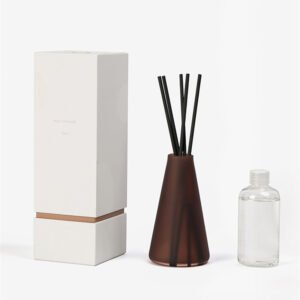
Diffusers leverage transparency for immediate visual impact. The exposed liquid and reeds create movement and dimension on shelves. They perform strongest in lifestyle retail environments where minimalist aesthetics align with brand positioning. The "ready-to-display" nature reduces gift-wrapping labor but limits surprise factor.
| Фактор | Свечи | Диффузоры |
|---|---|---|
| Breakage Rate | 0.5-1% | 2-4% |
| Срок годности | 24-36 months | 12-18 months (opened: 1-6 months) |
| Gift Appeal Score | 8.5/10 (seasonal peaks) | 6.5/10 (consistent year-round) |
| Display Footprint | Compact, stackable | Requires vertical clearance |
| Restocking Frequency | Lower turnover | Higher repeat purchase rate |
What Safety Considerations Should Retailers Prioritize?
Stocking home fragrance products exposes retailers to fire hazards and regulatory penalties. A single mislabeled candle or non-compliant diffuser could trigger recalls that damage brand reputation overnight. The solution lies in understanding which product category aligns with your risk tolerance and compliance capacity.
Retailers must prioritize fire safety protocols for candles and chemical compliance requirements for diffusers. Both products carry distinct liability risks—candles pose open flame hazards requiring burn test documentation, while diffusers demand CLP labelling and IFRA certification for fragrance oil concentrations. Insurance coverage should exceed $500,000 for general liability, with specific attention to product recall provisions.
Fire Safety and Physical Hazards
Candles present immediate fire risks that demand strict packaging warnings and customer education. I’ve seen retailers reduce liability by stocking candles with self-extinguishing features and heat-resistant containers. Your physical store layout matters—candles require flame-retardant display fixtures positioned away from high-traffic zones. Diffusers eliminate open flame concerns but introduce packaging fragility issues. Reed diffusers with glass bottles need reinforced shipping materials, adding 15-20% to logistics costs. Loveeno addresses this through dual-wall packaging that protects products during transit while maintaining shelf-ready presentation. The weight difference matters for stock management: a case of 12 candles averages 8kg versus 5kg for equivalent diffusers, impacting warehouse handling efficiency.
Compliance Requirements and Liability Management
Regulatory frameworks differ sharply between product types. Candles sold in the UK must comply with BS EN 15494:2019 standards, including burn test reports and specific label formatting. Diffusers fall under CLP legislation requiring UFI codes and PCN notifications when fragrance oils exceed hazardous classification thresholds. Non-compliance triggers Trading Standards interventions and potential product seizures.
| Коэффициент безопасности | Свечи | Диффузоры |
|---|---|---|
| Primary Risk | Open flame, thermal burns | Chemical exposure, spillage |
| Testing Required | Burn tests, stability trials | IFRA compliance, skin sensitization |
| Labelling Mandate | BS EN 15494 + CLP | CLP + UFI code |
| Insurance Priority | Fire damage coverage | Product liability for allergic reactions |
| Recall Complexity | Moderate (batch tracking) | High (chemical composition tracing) |
Third-party certification reduces liability exposure significantly. Retailers sourcing from manufacturers with documented safety testing shift compliance burden upstream while protecting profit margins. Gift potential amplifies safety importance—products intended for elderly or child-adjacent environments require extra scrutiny of tip-over resistance and accessibility of warning labels.
How Do Customer Demographics and Usage Patterns Differ?
Choosing candles or diffusers isn’t just about scent—it’s about who’s buying and why. Retailers often stock both without understanding distinct customer profiles. This mismatch leads to inventory waste and missed sales opportunities.
Candles attract buyers seeking ambiance and ritual, typically purchased for immediate use within a week. Diffusers appeal to customers wanting continuous, low-maintenance fragrance over months. Understanding these usage patterns helps retailers align stock with their actual customer base, reducing overstock and improving turnover rates.

Who Actually Buys Each Format?
Customer demographics reveal striking differences between candle and diffuser buyers. Women aged 25-45 dominate both markets, but their motivations diverge sharply. Candle purchasers prioritize home décor and stress relief, viewing lighting as an intentional wellness ritual. They burn candles for 4 hours or less per sitting, treating them as event-based products. Diffuser customers lean practical—busy professionals, parents, and pet owners who want consistent scenting without open flames. This group values set-it-and-forget-it convenience over ceremonial lighting.
Market trends show candles still command 65% of non-seasonal home fragrance sales, generating approximately $3.14 billion annually in U.S. retail. Yet diffuser adoption is rising among millennials and Gen Z shoppers who favor sustainable, reusable products. Retailers serving eco-conscious demographics should stock diffusers prominently, while gift-focused stores benefit from candles’ superior presentation appeal.
Retail Implications: Shelf Life and Stock Management
Usage patterns directly impact your supply chain decisions. Candles have finite burn times—typically 40-60 hours for standard jars—making them consumable repeat purchases. Their wax composition handles temperature fluctuations well, but seasonal scents require careful inventory rotation. Diffusers last 3-6 months, reducing purchase frequency but creating loyalty opportunities through refill sales.
| Фактор | Свечи | Диффузоры |
|---|---|---|
| Average Usage Duration | 40-60 часов | 3-6 месяцев |
| Purchase Frequency | Ежемесячно | Ежеквартально |
| Packaging Fragility | Moderate (glass jars) | High (reeds, bottles) |
| Stock Weight (per unit) | 200-500g | 100-250g |
| Gift Potential | High (occasion-driven) | Moderate (practical) |
Loveeno’s product range addresses both customer segments with eco-friendly formulations that meet sustainability demands while maintaining the shelf stability retailers require. For stores targeting gift buyers, candles’ heavier packaging conveys premium value. Diffusers’ lighter weight reduces shipping costs for online retailers but requires careful handling to prevent breakage during transit. Understanding your customer demographics helps you select the format that matches both shopping behavior and operational constraints.
Заключение
Retailers choosing between candles and diffusers must weigh fragrance intensity, profit margins, packaging appeal, safety requirements, and customer demographics against their specific business context. Candles deliver immediate scent impact with 50-70% margins and strong gift appeal, while diffusers offer passive, long-lasting fragrance with 60-80% margins and lower fire risk. The most profitable retailers don’t choose one format—they strategically stock both to serve distinct customer segments. Your decision should align product format with your target demographic’s usage patterns, operational capacity for compliance management, and physical retail constraints. Start by analyzing your current customer purchase behavior: Are they buying for ritual and ambiance or continuous background scenting? Calculate your warehouse handling costs, insurance coverage adequacy, and seasonal turnover rates to determine which format—or combination—maximizes your shelf space ROI. The fragrance market’s $11.8 billion opportunity rewards retailers who match product formats to precise customer needs rather than defaulting to personal preference or competitor copying.
ЧАСТО ЗАДАВАЕМЫЕ ВОПРОСЫ
Q1: What is the difference in fragrance intensity between candles and diffusers?
Candles typically provide a stronger, more immediate fragrance intensity that fills a room quickly when lit, while diffusers offer a more subtle, continuous scent that gradually permeates the space. The fragrance intensity of candles is concentrated and direct, making them ideal for creating an immediate aromatic atmosphere, whereas diffusers provide a consistent, lower-level fragrance that lasts for months without the need for active use.
Q2: How do customer usage patterns differ between candles and diffusers?
Customer usage patterns show distinct differences: candles are typically used for specific occasions, evening relaxation, or creating ambiance with both scent and light, while diffusers serve as continuous air fresheners that work passively 24/7. Candles require active participation (lighting, monitoring) and have shorter lifespans (20-60 hours), whereas diffusers provide months of continuous fragrance without user intervention, making them ideal for consistent scent maintenance in retail or hospitality settings.
Q3: Which product format is better for retail businesses considering supply chain logistics?
For retail businesses, diffusers generally offer better supply chain advantages due to their lighter weight, less fragile packaging, and longer shelf life. Candles are heavier, more prone to damage during shipping, and have temperature sensitivity concerns. Diffusers provide higher inventory turnover with consistent fragrance delivery over 3-6 months, while candles require more frequent restocking and careful handling due to their wax composition and glass container fragility.
Q4: How do candles and diffusers compare in terms of safety and maintenance requirements?
Candles require active safety monitoring with open flames, regular trimming of wicks, and cannot be left unattended, while diffusers are flameless and operate safely without supervision. Diffusers have minimal maintenance needs beyond occasional reed replacement or refilling, making them ideal for commercial settings where safety and low maintenance are priorities. Candles offer atmospheric lighting but require more careful handling and storage considerations.
Q5: What are the key factors retailers should consider when choosing between candles and diffusers for their product line?
Retailers should evaluate target customer demographics, usage occasions, storage space, shipping costs, and profit margins. Candles appeal to customers seeking sensory experiences and gift items, while diffusers attract those wanting continuous fragrance without maintenance. Consider that candles have higher shipping weights and fragility risks but offer visual appeal, while diffusers provide longer-lasting scent with lower operational costs and easier inventory management for retail businesses.


 Russian
  English
  Spanish
  Portuguese
  French
  Polish
  Czech
Czech