
Standing in front of the essential oil shelf, surrounded by countless bottles, do you find yourself torn between starting with the seemingly "pure" single oils to learn step by step, or buying a ready-made "blend" for convenience and ease?
The answer lies in your goal for using essential oils.
Simply put, neither is inherently "good" or "bad." But they play very different roles and suit different people. Before you decide, let us clarify these two core concepts.
1. Understanding the Basics: Single vs. Blend
1.1 Single Essential Oil
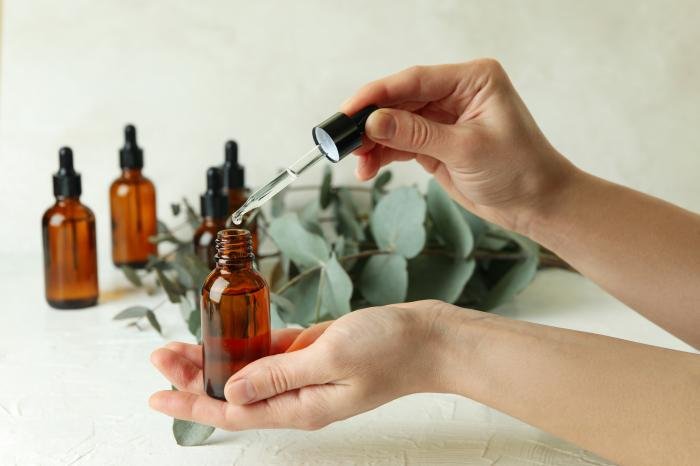
A single essential oil is a pure "solo performance." It is extracted from a single plant species (from specific parts like flowers, leaves, peels, or resins) through distillation, cold pressing, or other methods. It is 100% pure plant essence.
| Feature | Description |
|---|---|
| Purity | 100% pure, no additives or carriers |
| Aroma | Singular but complex with its own top, middle, and base notes |
| Potency | Highly concentrated |
| Skin application | Cannot be applied directly (except lavender, tea tree in specific situations); must be diluted with carrier oil |
| Best for | Learning aromatherapy, creating custom blends |
1.2 Blend Essential Oil (Pre-diluted or Pure Blend)
A blend is a "small choir." It is created by mixing two or more single essential oils together, often (but not always) pre-diluted in a carrier oil.
| Feature | Description |
|---|---|
| Composition | 2+ single oils ± carrier oil |
| Aroma | Harmonious, layered, complex |
| Potency | Lower (if pre-diluted); can still be concentrated (if pure oil blend) |
| Skin application | Pre-diluted blends are ready to use; pure oil blends still need dilution |
| Best for | Convenience, immediate use, targeted effects |
⚠️ Important distinction: Some "blends" are pure essential oil mixtures (no carrier oil). These are still highly concentrated and must be diluted before skin application. Always read the label.
2. Comparison Table: Single vs. Blend
| Aspect | Single Essential Oil | Blend Essential Oil |
|---|---|---|
| Core value | Learning & creativity | Convenience & immediate experience |
| Knowledge required | High (dilution ratios, contraindications, blending) | Low (ready to use) |
| Flexibility | Very high (create unlimited custom blends) | Low (fixed formula) |
| Upfront cost | Higher (need multiple bottles) | Lower (one bottle) |
| Long-term value | Very high (versatile) | Limited (single purpose) |
| Skin safety | Requires dilution | Pre-diluted versions are safe; check label |
| Best for | Serious learners, future blending | Beginners who want immediate results |
3. The Hidden Trap: Pure Oil Blend vs. Pre-Diluted Blend
When shopping for blends, you must distinguish between two very different products:
| Type | Composition | Can you apply to skin? |
|---|---|---|
| Pre-diluted blend (ready to use) | Single oils + carrier oil (e.g., jojoba, sweet almond) | Yes, directly |
| Pure oil blend (concentrate) | Single oils only (no carrier oil) | No, must dilute further |
Many "blends" sold in small bottles (5ml, 10ml) are actually pure oil concentrates. They are convenient because you do not need to measure multiple oils, but they are not safe for direct skin application.
Check the ingredient list:
- Contains "Jojoba oil," "Fractionated coconut oil," or "Sweet almond oil" → Pre-diluted, ready to use
- Lists only essential oil names (e.g., "Lavandula angustifolia oil, Citrus limon oil") → Concentrate, must dilute
4. The Smart Beginner Strategy: A "Two-Path" Approach
So, what should a beginner actually buy? The answer is not either/or. It is both—strategically.
Path 1: If You Want Pure Convenience
You want to enjoy the benefits of aromatherapy immediately. You do not want to learn about dilution ratios or spend time blending. You just want to relax after a long day.
👉 Choose a pre-diluted, ready-to-use blend.
Look for blends designed for specific purposes: "Sleep Blend," "Stress Relief Blend," "Muscle Soak Blend." These are formulated by professionals and are safe to apply directly to skin.
Best for: Busy individuals, those new to aromatherapy who want immediate results.
Path 2: If You Want to Learn Aromatherapy (Highly Recommended)
You want to develop a skill. You want to understand how each plant works. You want the ability to create custom solutions for yourself and your family.
👉 Start with these 5 essential "beginner must-have" single oils.
These five oils cover 80% of daily needs. They are relatively safe when used correctly and form the foundation of any essential oil "medicine cabinet."
| Oil | Primary Benefit | Key Uses |
|---|---|---|
| Lavender | "All-purpose healer" | Sleep, burns, insect bites, calming |
| Tea Tree | "Natural disinfectant" | Acne, athlete’s foot, cleaning, immunity |
| Lemon | "Mood lifter & cleanser" | Energy, focus, natural degreaser, air purification |
| Peppermint | "Focus & pain reliever" | Headache, digestion, alertness, cooling |
| Eucalyptus | "Respiratory clearer" | Congestion, colds, sinus, mental clarity |
You will also need:
- One carrier oil: Fractionated coconut oil or jojoba oil
- Optional: Small glass beaker and stirring rod for blending
Path 3: The Best of Both Worlds (Optimal)
👉 Buy a "Starter Kit" from a reputable brand.
Many professional brands offer starter kits that include:
- 3–6 single essential oils (the core ones like lavender, tea tree, lemon)
- 1–2 pre-diluted blends (for immediate use)
- Sometimes a carrier oil
This is the most cost-effective way to begin. Use the blends for immediate needs while learning to blend your own singles. As your knowledge grows, those single oils become your creative palette.
5. Recommended Starter Single Oils in Detail
If you choose Path 2, here is a deeper look at the five foundational oils.
5.1 Lavender (Lavandula angustifolia)
| Aspect | Detail |
|---|---|
| Aroma | Floral, herbaceous, slightly sweet |
| Mood effect | Calming, balancing, sleep-promoting |
| Physical benefits | Soothes burns and insect bites, minor wound healing |
| Safe for | Most adults, children (diluted), elderly |
| Note | One of the few oils safe for neat (undiluted) application in small amounts |
5.2 Tea Tree (Melaleuca alternifolia)
| Aspect | Detail |
|---|---|
| Aroma | Medicinal, fresh, slightly spicy |
| Mood effect | Cleansing, purifying, focusing |
| Physical benefits | Antimicrobial, antifungal; acne, athlete’s foot |
| Safe for | Most adults; avoid ingestion |
| Note | Never ingest; toxic to pets (especially cats) |
5.3 Lemon (Citrus limon)
| Aspect | Detail |
|---|---|
| Aroma | Bright, fresh, cheerful |
| Mood effect | Uplifting, energizing, clarifying |
| Physical benefits | Detoxifying (when used in aromatherapy), natural cleaner |
| Safe for | Most adults; photosensitive (do not apply before sun exposure) |
| Note | Keep away from plastics; can degrade certain materials |
5.4 Peppermint (Mentha piperita)
| Aspect | Detail |
|---|---|
| Aroma | Cool, sharp, invigorating |
| Mood effect | Alertness, focus, energy |
| Physical benefits | Headache relief, digestive aid, muscle cooling |
| Safe for | Most adults; avoid with young children (can affect breathing) |
| Note | Very strong; start with small amounts |
5.5 Eucalyptus (Eucalyptus globulus)
| Aspect | Detail |
|---|---|
| Aroma | Camphoraceous, clean, medicinal |
| Mood effect | Clearing, clarifying, respiratory support |
| Physical benefits | Congestion relief, sinus clearing, immune support |
| Safe for | Most adults; avoid with young children |
| Note | Excellent in diffusers for cold and flu season |
6. Basic Blending Formula for Beginners
Once you have your single oils, here is a simple formula to create your own custom blends.
6.1 Simple Dilution Guide
| Purpose | Carrier Oil | Single Essential Oil | Ratio |
|---|---|---|---|
| Facial application (sensitive) | 1 tablespoon (15ml) | 3–6 drops | 1–2% |
| Body massage | 1 tablespoon (15ml) | 6–9 drops | 2–3% |
| Spot treatment | 1 teaspoon (5ml) | 2–3 drops | 2–3% |
6.2 Simple Blend Recipes
For Sleep:
- 2 drops Lavender
- 1 drop Roman Chamomile (optional)
- 1 tablespoon carrier oil
For Focus:
- 2 drops Peppermint
- 2 drops Lemon
- 1 tablespoon carrier oil
For Respiratory Support:
- 2 drops Eucalyptus
- 1 drop Peppermint
- 1 drop Tea Tree
- 1 tablespoon carrier oil
For Stress Relief:
- 2 drops Lavender
- 1 drop Bergamot
- 1 drop Frankincense
- 1 tablespoon carrier oil
7. What to Avoid When Buying Essential Oils
7.1 Red Flags
| Red Flag | Why It Is a Problem |
|---|---|
| "Fragrance oil" or "perfume oil" | Synthetic; no therapeutic benefit |
| "Natural identical" | Lab-created copies of natural molecules |
| "For external use only" without clear labeling | Vague; may indicate low quality |
| Very low price | Pure essential oils cannot be extremely cheap |
| No Latin name on label | Cannot verify which species |
| "Therapeutic grade" (unregulated claim) | Marketing term, not a standard |
7.2 What to Look For
| What to Look For | Why It Matters |
|---|---|
| Latin name (e.g., Lavandula angustifolia) | Identifies exact species |
| Country of origin | Indicates growing conditions |
| Extraction method | Steam distilled, cold pressed, etc. |
| Purity statement | "100% pure essential oil" |
| Dark glass bottle (blue, amber, green) | Protects oil from UV degradation |
| IFRA or trade association membership | Indicates professional standards |
8. Safety Guidelines for Beginners
| Rule | Explanation |
|---|---|
| Always dilute | Most oils should never be applied undiluted |
| Patch test first | Apply diluted oil to small area; wait 24 hours |
| Never ingest | Essential oils are not for internal use without expert guidance |
| Keep away from eyes | Flush with carrier oil, not water, if contact occurs |
| Use caution with children | Lower dilution ratios (0.5–1%) |
| Use caution with pets | Many oils are toxic to cats and dogs |
| Store safely | Away from sunlight, heat, and children’s reach |
| Know your oils | Some oils are photosensitive, some are skin irritants |
9. What ENO Aroma Offers
At ENO Aroma, we offer both high-quality single essential oils and thoughtfully formulated blends for beginners and professionals alike.
For beginners, we offer:
- Starter kits with 5 core single oils + carrier oil
- Pre-diluted, ready-to-use blends for sleep, focus, and stress relief
- Clear labeling with Latin names, origin, and dilution guidance
For B2B partners, we offer:
- Custom blend development for private label lines
- Wholesale single essential oils
- Educational materials for your customers
- IFRA-compliant, phthalate-free formulations
10. Conclusion
So, single or blend? The answer depends on your goal.
- If you want immediate results with zero learning curve: Buy a pre-diluted, ready-to-use blend for your specific need (sleep, stress, focus).
- If you want to learn aromatherapy as a skill: Start with the five core single oils (lavender, tea tree, lemon, peppermint, eucalyptus) plus a carrier oil.
- If you want both: Buy a starter kit that includes both singles and pre-diluted blends.
The beauty of essential oils is that they reward patience and learning. A single bottle of lavender oil can be used for sleep, for burns, for calming anxiety, for cleaning—dozens of uses. A pre-diluted sleep blend is convenient, but it can only do one thing.
Start with the five oils. Learn them deeply. And when you are ready, you will have the foundation to create anything.
Ready to start your essential oil journey? Contact ENO Aroma for starter kits, single oils, and custom blends.



 English
  Spanish
  Portuguese
  French
  Russian
  Polish
  Czech
Czech