
There is nothing more disappointing than lighting a beautiful scented candle, only to watch it burn straight down the middle, leaving a thick ring of unused wax clinging stubbornly to the sides. This frustrating phenomenon is called candle tunneling, and it is one of the most common complaints among candle lovers.
The good news? You do not need any special tools, expensive equipment, or complex chemistry to fix it. In fact, two simple, zero-cost tricks can rescue most tunneling candles and restore their full burning potential.
At ENO Aroma, with over a decade of manufacturing expertise, we have studied why tunneling happens and—more importantly—how to reverse it. This guide will explain the science behind tunneling and walk you through two effective, cost-free solutions.
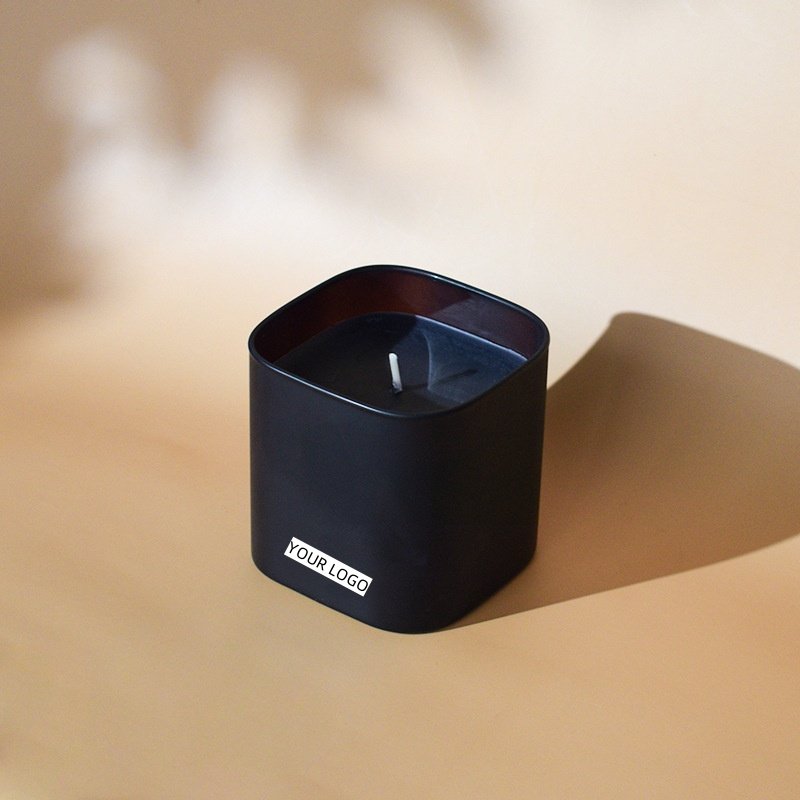
1. What Is Candle Tunneling?
Candle tunneling occurs when a candle burns only a narrow channel down the center, leaving a deep "tunnel" and significant wax residue on the container walls.
What it looks like:
- A deep hole or crater in the center of the candle
- A thick, untouched ring of wax around the edges
- The wick often sits at the bottom of a deep well
- Melted wax pools only in the center, never reaching the sides
Why it matters:
- Wasted wax: Up to 50% or more of the candle’s wax can remain unused
- Shortened burn time: The candle will extinguish much earlier than intended
- Poor scent throw: Fragrance trapped in the unmelted side wax never gets released
- Unsafe burning: The deep well can concentrate heat and create an oversized flame
1.1 What Tunneling Looks Like vs. What It Should Look Like
| Funkce | Tunneling Candle | Properly Burning Candle |
|---|---|---|
| Melt pool shape | Narrow, deep hole | Wide, shallow pool |
| Side wax | Thick ring intact | Melts evenly to edges |
| Wick position | At bottom of well | At or slightly below wax surface |
| Wax consumption | Incomplete | Nearly full consumption |
| Scent throw | Weak after first few burns | Konzistentní po celou dobu životnosti |
2. Why Tunneling Happens: The "Memory Burn"
The primary cause of tunneling is the candle’s wax memory. Wax has a physical property: it tends to melt to the same depth on subsequent burns that it achieved on the first burn.
The science:
- When wax melts, it undergoes a phase change from solid to liquid
- As it cools and re-solidifies, it forms crystalline structures
- These structures "remember" how far the melt pool extended
- On the next burn, the wax preferentially melts to that same boundary
The critical moment: The first burn.
If you extinguish a candle before the melted wax pool has reached the edge of the container, the wax "learns" that the melt pool should only extend that far. On every subsequent burn, it will tunnel down the same narrow channel, never reaching the sides.
This is why the first burn is the most important moment in a candle’s life.
3. Zero-Cost Trick #1: The Aluminum Foil Method
This is the most effective technique for fixing a tunneling candle. It works by trapping heat inside the container, forcing the temperature to rise and melt the stubborn wax along the sides.
3.1 What You Need
- Aluminum foil (standard kitchen foil)
- The tunneling candle
- A lighter or matches
- Scissors (optional, for clean edges)
Náklady: $0 (assuming you have foil in your kitchen)
3.2 Step-by-Step Instructions
Step 1: Light the candle
Light your tunneling candle as you normally would. Let it burn for 5-10 minutes to create a small melt pool.
Step 2: Cut a piece of foil
Cut a square of aluminum foil approximately 6-8 inches larger than the diameter of your candle container.
Step 3: Create a foil dome
Place the foil over the top of the candle container, centering it over the opening. Fold the edges down around the sides of the container to secure it in place.
Step 4: Create a center opening
Using a knife, scissors, or your finger, create a small hole (approximately 1-inch diameter) in the center of the foil directly above the wick. This hole allows oxygen to reach the flame while trapping heat inside.
The foil should look like a loose tent or dome over the candle, with the only opening being the small hole in the center.
Step 5: Wait and monitor
Allow the candle to burn for 1-3 hours. The trapped heat will gradually raise the temperature inside the container, melting the wax along the sides.
What you will observe:
- The melt pool will slowly expand outward
- Stubborn side wax will begin to liquefy
- The wax level may appear to rise as side wax melts and flows to the center
Step 6: Remove the foil
Once the melt pool has reached the edge of the container, carefully remove the foil. Allow the candle to continue burning for another 30-60 minutes to ensure the wax memory is "reset."
3.3 Pro Tips for the Foil Method
| Tip | Proč to funguje |
|---|---|
| Use a larger hole for larger candles | More oxygen needed for bigger flames |
| Don’t seal the foil completely | Flame needs oxygen; sealed foils extinguish the candle |
| Monitor every 30 minutes | Prevents overheating or excessive melting |
| Apply early in tunneling | Easier to fix when tunnel is shallow |
| Repeat if necessary | Severe tunneling may need 2-3 sessions |
3.4 When the Foil Method Works Best
- Shallow tunneling (tunnel depth less than 1/2 inch)
- First 2-3 burns of a tunneling candle
- Soy wax and coconut wax candles (these waxes are softer and respond well to heat)
- Containers with straight sides (heat distributes evenly)
3.5 When the Foil Method Is Less Effective
- Very deep tunneling (tunnel depth greater than 1 inch)
- Paraffin wax candles (higher melting point; harder to reshape)
- Candles already burned more than halfway down
- Containers with narrow necks or irregular shapes
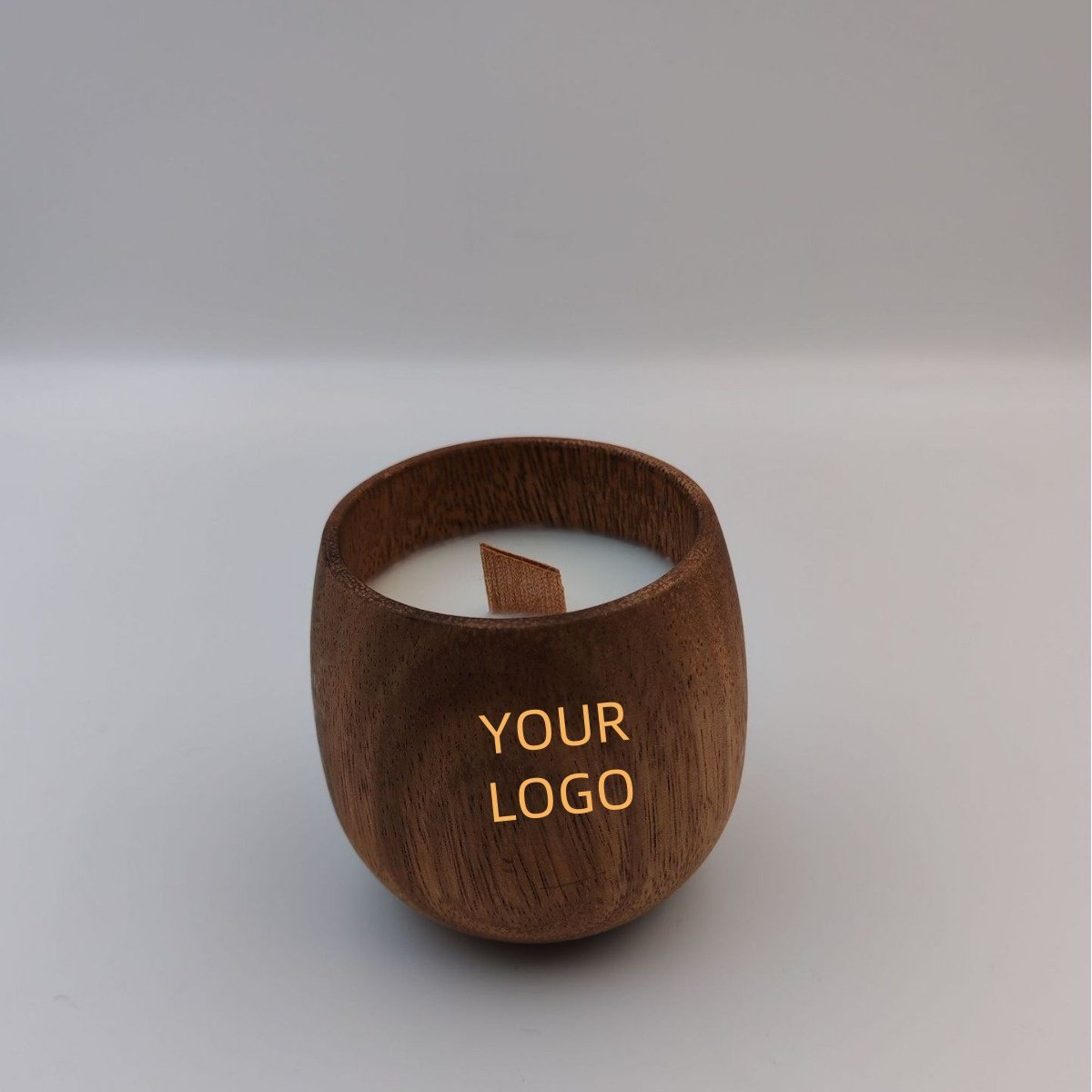
4. Zero-Cost Trick #2: The Wax Pool Reset Method
This method works without foil by using the candle’s own heat to gradually expand the melt pool over multiple burns. It is slower but requires no materials whatsoever.
4.1 Step-by-Step Instructions
Step 1: Light the candle
Light your tunneling candle and allow it to burn for 15-20 minutes.
Step 2: Monitor the melt pool
Watch as the wax melts. In a tunneling candle, the melt pool will be narrow and deep.
Step 3: Gently swirl (if safe)
For container candles with stable bases, gently swirl the melted wax pool. This action spreads the liquid wax to the edges of the container, encouraging the sides to warm up.
Safety warning: Only swirl if the container is stable and not hot to the touch. Never swirl a candle that is unstable or has a damaged container.
Step 4: Extinguish before the melt pool reaches the edge
Unlike the foil method, here you will extinguish the candle before the wax reaches the container walls. This creates a slightly larger melt pool than before, but still within the tunnel.
Step 5: Let the wax harden completely
Allow the candle to cool fully. The wax will now have a new "memory" of a slightly wider melt pool.
Step 6: Repeat
On each subsequent burn, allow the melt pool to expand slightly more than the previous burn. With patience, you can gradually widen the tunnel until it reaches the edges.
4.2 Comparison: Foil Method vs. Wax Pool Reset Method
| Faktor | Foil Method | Reset Method |
|---|---|---|
| Speed | 1-3 hodiny | Multiple burns (days) |
| Materials needed | Aluminum foil | Žádné |
| Účinnost | Vysoká | Mírná |
| Nejvhodnější pro | Immediate fix, moderate tunneling | Patience, shallow tunneling |
| Risk level | Low (monitor for overheating) | Minimální |
| Success rate | 80-90% | 60-70% |
5. Prevention: The Only Way to Never Deal with Tunneling
The best cure for tunneling is prevention. Once you understand the "memory burn" principle, preventing tunneling becomes simple.
5.1 The Golden Rule of Candle Burning
Always burn your candle long enough for the entire top surface to become liquid on the first burn.
| Průměr svíčky | Minimum First Burn Time |
|---|---|
| 2 inches (5 cm) | 1-2 hodiny |
| 3 inches (7.6 cm) | 2-3 hodiny |
| 4 inches (10 cm) | 3-4 hodiny |
| 5+ inches (12.7+ cm) | 4-5 hodin |
Why this works: The first burn sets the wax memory. If you create a full, edge-to-edge melt pool on the first burn, the wax "learns" to melt that wide on every subsequent burn.
5.2 Other Prevention Tips
| Tip | Proč to pomáhá |
|---|---|
| Trim wick to 3-5mm before each burn | Prevents oversized flames that can cause uneven melting |
| Vyhýbejte se místům, kde táhne | Drafts cool one side of the candle, causing uneven melting |
| Keep wax pool free of debris | Debris can act as a wick, creating hot spots |
| Center the wick before lighting | Off-center wicks create uneven melt pools |
| Burn candles in sessions of 2-4 hours | Too short fails to widen pool; too long can overheat |
6. When to Give Up: Recognizing Unsalvageable Candles
Not every tunneling candle can be saved. Here is how to recognize when it is time to let go.
6.1 Signs Your Candle Is Beyond Repair
| Podepsat | Why It’s Unsalvageable |
|---|---|
| Tunnel depth exceeds 1 inch | Too much heat needed to melt sides; wick may drown |
| Candle is more than 75% burned | Little wax remains; not worth the effort |
| Wick is too short to stay lit | Cannot generate enough heat to expand melt pool |
| Container is damaged or cracked | Safety hazard; discard immediately |
| Multiple foil attempts failed | Wax memory too strong; formulation issue |
6.2 What to Do with Unsalvageable Wax
Do not throw away the wax! You can repurpose it:
- Wax warmer: Scoop out the unused wax and use it in a wax warmer
- Fire starters: Pour melted wax over dryer lint in egg cartons to make fire starters
- Lotion or balm: Some natural waxes (soy, coconut, beeswax) can be used in DIY body products
- Scented sachets: Place wax chunks in a small fabric bag for drawer freshening
7. Common Questions About Candle Tunneling
Q1: Can I fix tunneling without foil?
Yes, the wax pool reset method works without any materials. It just takes longer and requires more patience.
Q2: Will tunneling affect the candle’s scent throw?
Absolutely. Fragrance oils are distributed throughout the wax. If side wax never melts, the fragrance trapped in those areas is never released.
Q3: Is it safe to burn a tunneling candle?
Generally yes, as long as the flame remains stable and the container is not overheating. However, the deep well can sometimes create a "candle volcano" effect where the flame becomes oversized. Monitor closely.
Q4: Does wax type affect tunneling?
Yes. Soy wax and coconut wax are softer and more forgiving. Paraffin wax has a higher melting point and is more prone to tunneling if not burned properly on the first use.
Q5: Can I fix tunneling by adding more wax?
Adding wax to a tunneling candle is not recommended. Different wax formulations may not bond properly, and you risk creating an unsafe burning condition.
8. What ENO Aroma Offers
At ENO Aroma, we formulate our candles to minimize tunneling risk. Our quality features include:
- Optimized wax blends: Soy-based and coconut-soy formulations with ideal melt characteristics
- Proper wick sizing: Each candle is tested with wicks matched to container diameter
- Burn testing: Every formulation undergoes extended burn testing to verify even melting
- Clear usage instructions: We provide detailed first-burn guidance with every candle
Pro partnery v oblasti B2B, nabízíme:
- Custom wax blend development for optimal melt performance
- Wick selection and testing services
- Burn testing protocols and documentation
- Candle care card design and content
9. Conclusion
Candle tunneling is frustrating, but it is almost always preventable and often fixable. The two zero-cost methods—the aluminum foil method and the wax pool reset method—can rescue most tunneling candles and restore their full burning potential.
Remember the golden rule: The first burn is everything. Burn your candle long enough to create a full, edge-to-edge melt pool on its very first use, and you will likely never see tunneling again.
At ENO Aroma, we believe that every candle deserves to be enjoyed completely—not wasted in a tunnel of unused wax.
Struggling with tunneling in your candle line? Contact ENO Aroma to discuss formulation optimization and wick selection for your products.




 Czech
Czech  English
  Spanish
  Portuguese
  French
  Russian
  Polish