
Most candle lovers never consider what happens to their beautiful glass jars after the wax burns away. With billions of candles sold annually worldwide, the environmental impact of candle containers has become a hidden sustainability crisis that few people recognize.
Candle jars can be highly sustainable when made from recycled glass and designed for reuse, but many mass-produced containers end up in landfills. The environmental impact depends entirely on jar material, manufacturing processes, and end-of-life disposal methods chosen by both manufacturers and consumers.
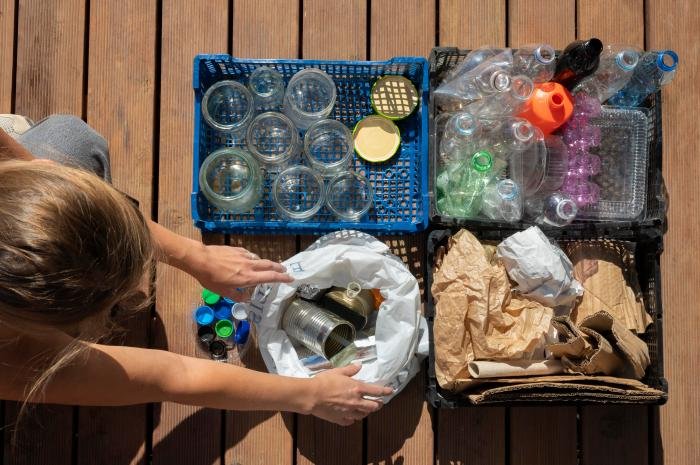
After 15 years in the candle manufacturing industry, I’ve witnessed both the environmental problems and innovative solutions emerging in candle jar sustainability. The choices we make today will determine whether candle containers become environmental assets or liabilities.
Why Do Traditional Candle Jars Create Environmental Problems?
Most commercial candle jars are designed for single-use consumption rather than sustainable lifecycle management, creating massive waste streams.
Traditional candle jars often use virgin glass, non-removable wax residue, and adhesive labels that make recycling difficult. When consumers discard these containers, they contribute to the 292 million tons of municipal waste generated annually in the US alone.
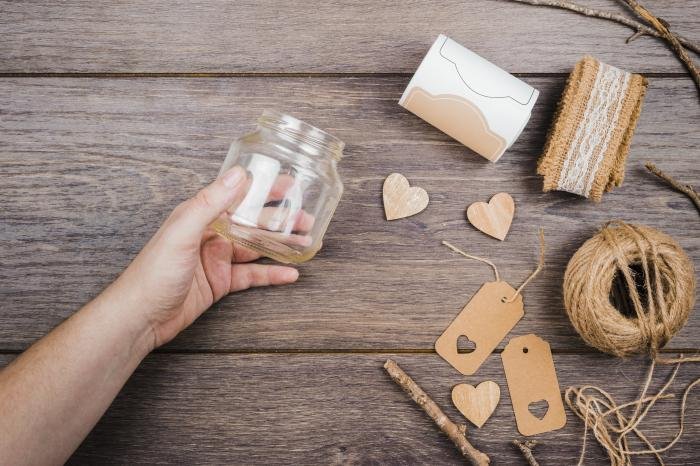
I’ve watched our industry’s environmental impact grow dramatically over the past decade. When I started, most candles came in simple containers that customers naturally reused. Today’s decorative jars are often so complex that cleaning them becomes impractical, leading to immediate disposal after use.
Environmental Impact of Traditional Candle Jar Production
| Fáze výroby | Environmental Cost | Uhlíková stopa | Resource Consumption | Waste Generation |
|---|---|---|---|---|
| Raw Glass Manufacturing | Velmi vysoká | 1.2 kg CO2 per jar | Sand, soda ash, limestone | Chemical emissions |
| Jar Forming Process | Vysoká | 0.8 kg CO2 per jar | Natural gas, electricity | Heat waste |
| Surface Treatment | Střední | 0.4 kg CO2 per jar | Chemical coatings | Toxic runoff |
| Transportation | Střední | 0.6 kg CO2 per jar | Fossil fuels | Packaging waste |
| End-of-Life Disposal | Vysoká | 0.5 kg CO2 per jar | Landfill space | Permanent waste |
The numbers become staggering when multiplied across the industry. I calculated that our company alone produced enough candle jars last year to fill three football fields if lined up side by side. When most of these end up in landfills, the environmental cost becomes tremendous.
What Makes Candle Jars Truly Sustainable and Eco-Friendly?
Sustainable candle jar design focuses on material sourcing, manufacturing processes, and end-of-life reusability rather than just aesthetic appeal.
Truly sustainable candle jars use 70-100% recycled glass, employ energy-efficient manufacturing, feature easily removable wax systems, and are specifically designed for consumer reuse. These containers reduce environmental impact by 60-80% compared to traditional single-use alternatives.

I’ve worked with manufacturers who completely redesigned their production processes for sustainability. The initial investment was significant, but the environmental benefits and consumer response justified every expense. These companies now lead the market in both sustainability and profitability.
Key Features of Sustainable Candle Jar Design
| Sustainability Feature | Environmental Benefit | Consumer Advantage | Manufacturing Challenge | Implementation Cost |
|---|---|---|---|---|
| Recycled Glass Content (70%+) | 40% carbon reduction | Identical performance | Equipment modifications | 15-25% higher initially |
| Removable Wax System | Easy cleaning/reuse | Extended product value | Design complexity | 10-20% development cost |
| Water-Based Labels | Chemical-free removal | Simple cleaning process | Adhesive reformulation | 5-10% material cost |
| Modular Design | Multiple reuse options | Všestrannost | Engineering requirements | 20-30% design cost |
| Local Sourcing | Transportation reduction | Community support | Supply chain restructure | Proměnná |
The most successful sustainable designs I’ve seen anticipate the complete product lifecycle from the beginning. One manufacturer we work with created jars specifically sized for food storage, with measurements printed on the bottom. Customers love that they get a premium storage container after enjoying their candle.
How Can Consumers Maximize Candle Jar Environmental Benefits?
Consumer behavior dramatically influences whether candle jars become environmental assets or waste problems through their disposal and reuse choices.
Consumers can maximize environmental benefits by choosing candles in reusable containers, properly cleaning jars for repurposing, and supporting brands that use recycled materials. Simple jar cleaning techniques and creative reuse projects can extend container life by decades.
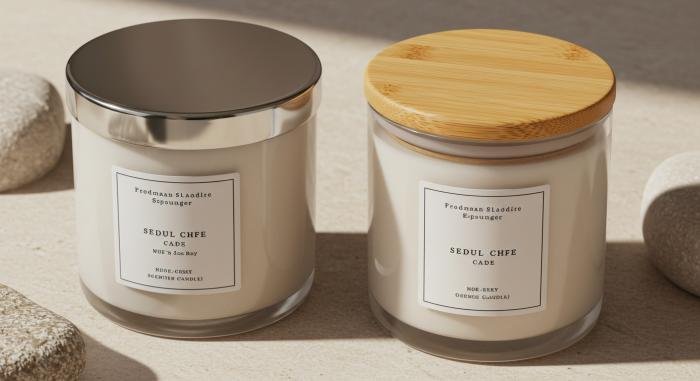
I receive hundreds of photos from customers showing their creative jar reuse projects. These range from simple storage solutions to elaborate garden planters and gift containers. The creativity people show in extending jar life constantly amazes me.
Effective Candle Jar Cleaning and Reuse Methods
| Cleaning Method | Účinnost | Potřebný čas | Potřebné vybavení | Nejlepší aplikace |
|---|---|---|---|---|
| Freezer Method | Vynikající | 24 hours | Freezer space | Hard wax removal |
| Horká vodní lázeň | Dobrý | 30 minut | Large pot, hot water | Soft wax removal |
| Oven Heating | Velmi dobré | 15 minut | Oven, aluminum foil | Stubborn residue |
| Hair Dryer Technique | Dobrý | 20 minutes | Hair dryer, paper towels | Quick cleaning |
| Boiling Water Pour | Vynikající | 10 minutes | Kettle, sink | Fresh wax removal |
The freezer method works best for most jars. I tell customers to place their finished candle in the freezer overnight, then use a butter knife to pop out the remaining wax. The wax comes out in solid pieces that can be saved for future projects or properly disposed of.
What Innovative Solutions Are Emerging in Sustainable Candle Packaging?
Manufacturers are developing revolutionary approaches to candle containers that eliminate waste while maintaining premium aesthetics and functionality.
New innovations include plantable containers made from biodegradable materials, refillable jar systems, and containers designed as permanent home decor items. Some companies now offer jar return programs where customers receive discounts for returning empty containers.
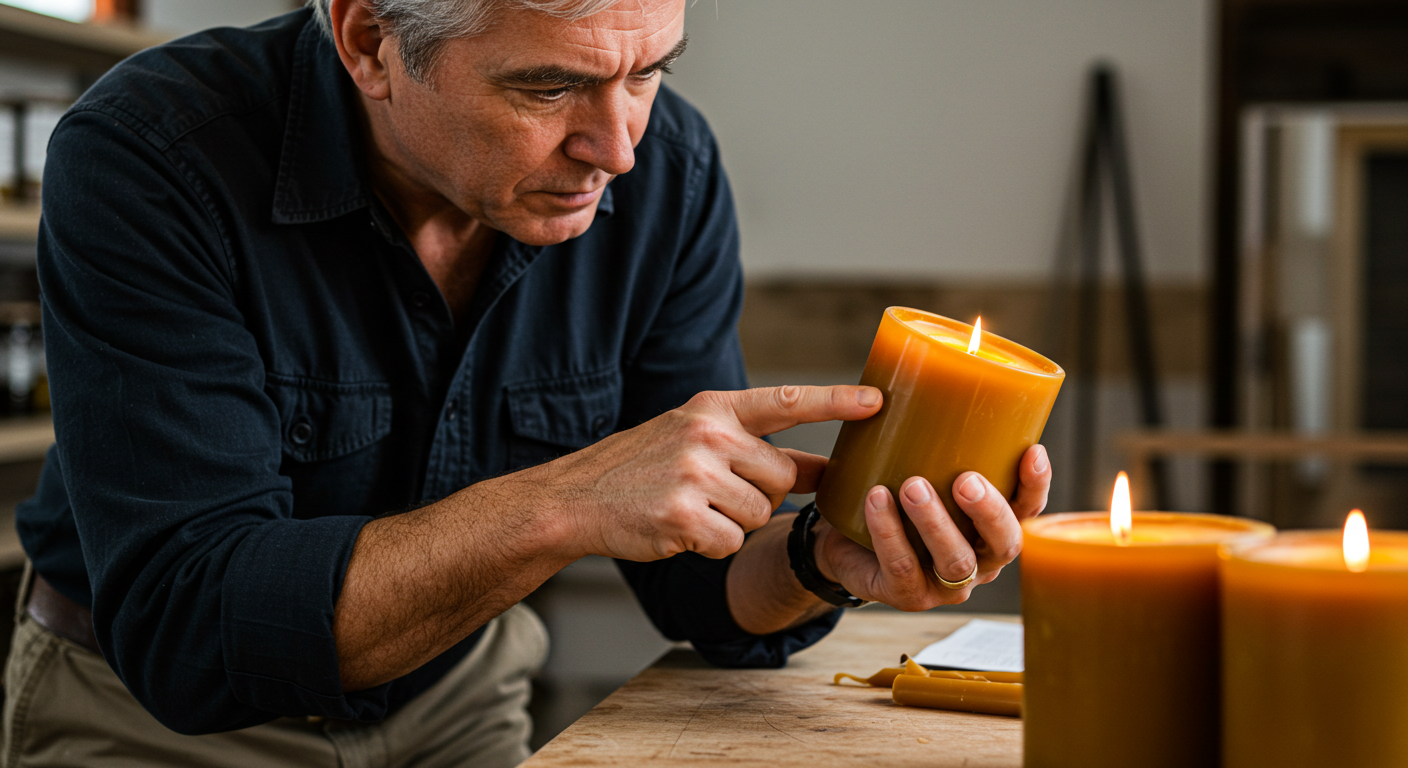
I’ve been testing these new approaches with several forward-thinking manufacturers. The innovation happening in sustainable packaging exceeds anything I’ve seen in my 15-year career. Companies are completely rethinking what candle containers can become.
Emerging Sustainable Candle Container Innovations
| Innovation Type | Dopad na životní prostředí | Odvolání spotřebitelů | Market Availability | Future Potential |
|---|---|---|---|---|
| Plantable Containers | Zero waste | Velmi vysoká | Omezené | Vynikající |
| Refillable Jar Systems | 90% waste reduction | Vysoká | Pěstování | Velmi dobré |
| Coconut Shell Containers | Biologicky rozložitelné | Střední | Niche markets | Dobrý |
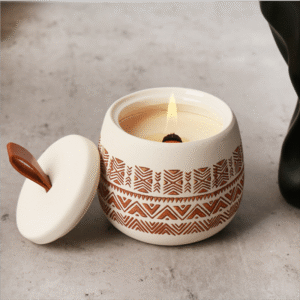
| Ceramic Keepsake Jars | Permanent reuse | Velmi vysoká | Specialty brands | Vynikající |
| Subscription Return Programs | 95% material recovery | Střední | Pilot programs | Velmi dobré |
| Edible Containers | Complete elimination | Novelty appeal | Experimental | Omezené |
The refillable systems show the most promise for mainstream adoption. Customers purchase a premium container once, then buy wax refills in minimal packaging. One company I work with reports 85% customer participation in their refill program, with customers averaging six refills per original jar.
How Do Manufacturing Choices Impact Candle Jar Sustainability?
Production decisions regarding materials, energy sources, and manufacturing processes determine the true environmental footprint of candle containers.
Manufacturers using renewable energy, recycled materials, and local sourcing can reduce candle jar environmental impact by 70-85%. However, companies prioritizing cost over sustainability often create containers with environmental costs exceeding their utility value.
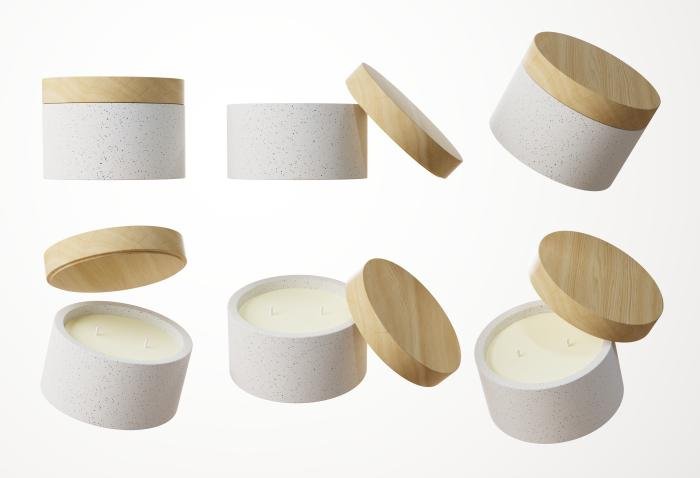
I’ve visited dozens of manufacturing facilities worldwide, and the differences in environmental approaches are striking. Some factories operate entirely on renewable energy and use 95% recycled materials, while others prioritize only cost efficiency regardless of environmental impact.
Manufacturing Variables Affecting Environmental Impact
| Manufacturing Factor | Tradiční přístup | Udržitelná alternativa | Environmental Savings | Implementation Barrier |
|---|---|---|---|---|
| Energy Source | Coal/natural gas | Solar/wind power | 60-80% snížení uhlíkové stopy | Počáteční kapitálová investice |
| Sklářský materiál | 100% panenské sklo | 70-95% podíl recyklovaného materiálu | 40-60% úspora zdrojů | Zavedení dodavatelského řetězce |
| Transportation | Globální sourcing | Regionální dodavatelé | 30-50% snížení přepravy | Omezený výběr dodavatelů |
| Efektivita výroby | Standardní procesy | Optimalizované systémy | 20-40% snížení odpadu | Technologické inovace |
| Kontrola kvality | Vyřazení vadných kusů | Přetavení a opětovné použití | 15-25% eliminace odpadu | Úpravy procesů |
Nejpůsobivější zařízení, které jsem navštívil, funguje výhradně na solární energii a používá 90% recyklovaného skla. Jeho dopad na životní prostředí je tak nízký, že každá sklenice má při zohlednění zpracovaných recyklovaných materiálů dokonce negativní uhlíkovou stopu. To dokazuje, že udržitelná výroba není jen možná – může být i environmentálně prospěšná.
What Future Developments Will Transform Candle Jar Sustainability?
Nové technologie a měnící se očekávání spotřebitelů pohánějí inovace, které by mohly zcela eliminovat odpad ze svícnů.
Budoucí vývoj zahrnuje biologicky rozložitelné alternativy skla, 3D tištěné obaly z recyklovaných materiálů a chytré obaly, které indikují optimální způsoby opětovného použití. Spotřebitelská poptávka po udržitelnosti tlačí výrobce k systémům výroby s nulovým odpadem.
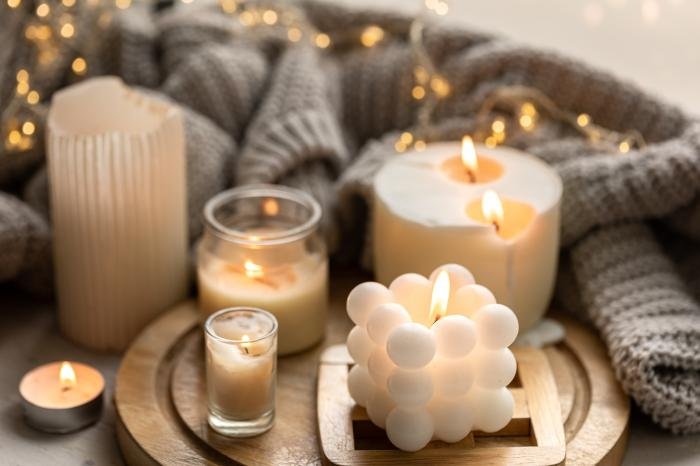
V současné době testuji několik prototypových technologií, které by mohly během pěti let způsobit revoluci v balení svíček. Tempo inovací se dramaticky zrychlilo, protože udržitelnost se stává konkurenční výhodou, nikoli pouze environmentální odpovědností.
Emerging Technologies in Sustainable Candle Containers
| Technologie | Fáze vývoje | Environmentální potenciál | Tržní časový rámec | Výzvy při zavádění |
|---|---|---|---|---|
| Biologicky rozložitelné sklo | Laboratorní testování | 100% eliminace odpadu | 5-8 let | Náklady a odolnost |
| 3D tištěné obaly | Pilotní výroba | 95% podíl recyklovaného materiálu | 2-3 roky | Škálování výroby |
| Chytré štítky pro opětovné použití | Testování na trhu | Optimalizované další využití | 1-2 roky | Vzdělávání spotřebitelů |
| Molekulární recyklace | Raná fáze vývoje | Nekonečná recyklovatelnost | 8-10 let | Škálování technologie |
| Živé obaly | Fáze výzkumu | Samorozklad | 10 a více let | Regulační schválení |
Nejzajímavějším vývojem je biologicky rozložitelné sklo vyrobené z rostlinných polymerů. První testy ukazují, že tyto obaly si během používání svíčky zachovávají plnou funkčnost, ale v kompostovacích podmínkách se zcela rozloží. Pokud se tato technologie úspěšně rozšíří, mohla by zcela eliminovat odpad ze svícnů při zachování prémiové estetiky.
Závěr
Udržitelnost sklenic na svíčky závisí na volbách výrobců a chování spotřebitelů, ale objevují se inovativní řešení, která by mohla proměnit obaly z environmentální zátěže v prospěšné systémy uzavřeného cyklu.


 Czech
Czech  English
  Spanish
  Portuguese
  French
  Russian
  Polish