
You order lavender essential oil from two different suppliers and they arrive smelling completely different. One customer recently told me this exact scenario made her question whether one of the oils was fake.
The same fragrance oil name can smell different between manufacturers due to varying raw material sources, extraction methods, synthetic-to-natural ratios, and quality control standards. These production variables create distinct aromatic profiles even when the product label reads identically.

In my 15 years working with fragrance manufacturers worldwide, I’ve discovered that this variation isn’t about deception. It’s about the complex reality of how fragrance oils are actually made. Let me explain what’s really happening behind those identical product names.
How Do Raw Material Sources Create Different Scent Profiles?
The geographic origin and growing conditions of aromatic plants fundamentally alter their chemical composition and resulting fragrance.
Essential oil plants from different regions contain varying concentrations of aromatic compounds due to climate, soil, altitude, and harvesting practices. Bulgarian rose oil differs chemically from Turkish rose oil, creating distinct scents despite identical plant species.
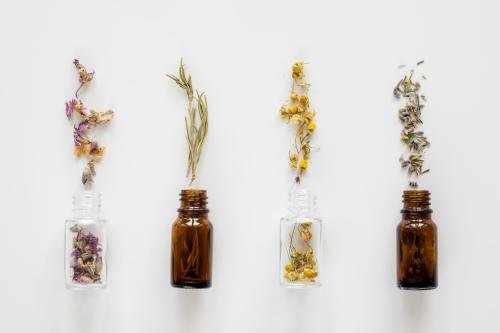
I work with suppliers across multiple continents, and the regional differences are dramatic. When I analyze bergamot oil from Calabria, Italy versus bergamot from Turkey, the lab reports show completely different terpene profiles. The Italian version typically contains 35-45% limonene while Turkish bergamot often shows 25-35%. This isn’t a quality difference – it’s a geographic reality.
Regional Chemistry Variations in Popular Oils
| Эфирное масло | Growing Region | Primary Compound | Процентный диапазон | Scent Character |
|---|---|---|---|---|
| Лаванда | Provence, France | Линалоол | 35-45% | Sweet, floral, refined |
| Лаванда | Bulgaria | Линалоол | 25-35% | Sharper, more camphor-like |
| Эвкалипт | Australia | Eucalyptol | 70-80% | Clean, medicinal |
| Эвкалипт | Spain | Eucalyptol | 60-70% | Softer, less intense |
| Мята | USA Pacific Northwest | Menthol | 40-50% | Cooling, intense |
| Мята | India | Menthol | 25-35% | Warmer, more herbal |
Weather patterns during growing seasons add another variable layer. Drought conditions typically concentrate aromatic compounds while excessive rainfall dilutes them. Some manufacturers source from single farms for consistency while others blend oils from multiple regions. I’ve seen the same supplier’s lavender oil smell noticeably different between spring and fall harvests simply due to seasonal growing conditions.
What Impact Do Extraction Methods Have on Final Fragrance?
Different extraction techniques pull different aromatic compounds from identical raw materials, creating distinct scent signatures.
Steam distillation captures volatile top notes but may lose heavier base compounds, while CO2 extraction preserves fuller aromatic profiles. Solvent extraction and cold pressing each yield unique chemical compositions from the same plant material.
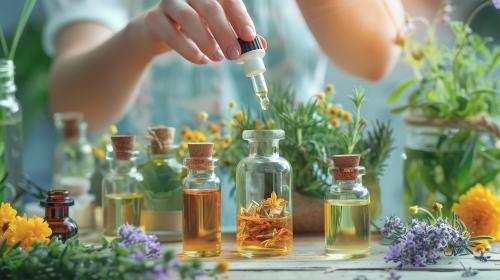
The technical choices manufacturers make during extraction dramatically change what ends up in the bottle. I’ve processed identical rose petal batches using different methods and produced oils that smell related but distinctly different. Steam distillation gives us bright, classic rose while CO2 extraction creates deeper, more complex aromatics with green undertones.
Extraction Method Comparison Chart
| Extraction Method | Operating Temperature | Compounds Extracted | Resulting Scent Profile | Фактор стоимости |
|---|---|---|---|---|
| Steam Distillation | 100°C+ | Light, volatile molecules | Bright, fresh, traditional | Низкий |
| CO2 Extraction | 31°C | Full spectrum compounds | Rich, complex, true-to-plant | Высокий |
| Solvent Extraction | Переменная | Heavy aromatic molecules | Deep, sometimes harsh | Средний |
| Cold Expression | Ambient | Citrus oils only | Zesty, unstable, natural | Низкий |
| Enfleurage | Ambient | Delicate florals | Subtle, refined, expensive | Очень высокий |
Equipment quality creates another variation point. Modern distillation systems with precise temperature controls preserve more delicate aromatic compounds compared to basic setups. When I visit manufacturing facilities, I can often predict oil quality just by examining their extraction equipment. Well-maintained, sophisticated systems produce more consistent results while older equipment introduces batch-to-batch variations that customers notice in the final scent.
How Do Synthetic Blending Ratios Affect Identical Product Names?
Most commercial fragrance oils combine natural extracts with synthetic aromatic chemicals, and manufacturers use vastly different formulation approaches.
A "vanilla" fragrance oil from one manufacturer might contain 80% natural vanilla extract while another company’s "vanilla" oil uses only 10% natural content. These different natural-to-synthetic ratios create completely different scent experiences under identical product names.
The fragrance industry operates on complex formulations that remain proprietary trade secrets. What consumers see as "rose essential oil" might actually be a sophisticated blend of natural rose otto, synthetic geraniol, phenylethyl alcohol, and citronellol. Each manufacturer chooses different ratios based on their target market, price point, and formulation philosophy.
Market Positioning and Blending Strategies
| Целевой рынок | Natural Content | Содержание синтетики | Ценовой ориентир | Quality Focus |
|---|---|---|---|---|
| Therapeutic/Aromatherapy | 85-100% | 0-15% | Премиум | Wellness benefits |
| Artisan/Boutique | 60-85% | 15-40% | Высокий | Аутентичный аромат |
| Потребительские/Домашние ароматы | 25-60% | 40-75% | Средний уровень | Постоянная производительность |
| Массовый рынок/Индустриальный сегмент | 5-25% | 75-95% | Бюджетный сегмент | Экономическая эффективность |
| Коммерческий/Оптовый сегмент | 0-20% | 80-100% | Объем производства | Стандартизация |
Я убедился в этом на личном опыте, работая с двумя клиентами, которые оба заказали "сандаловое" масло, но имели совершенно разные ожидания. Один клиент был знаком с премиальным австралийским сандалом, содержащим 95% натурального санталола, в то время как другой ранее использовал версию для массового рынка, состоящую преимущественно из синтетических компонентов. Оба масла правомерно маркировались как "сандаловые", но создавали совершенно разные обонятельные впечатления. Ни один из клиентов не был неправ — они просто сравнивали продукты из разных рыночных сегментов с различными философиями составления рецептур.
Заключение
Одинаковые названия парфюмерных масел могут давать разные ароматы из-за объективных производственных различий в источниках сырья, методах экстракции и смешивания, что делает осознанный выбор поставщика критически важным для достижения стабильных результатов.



 Russian
  English
  Spanish
  Portuguese
  French
  Polish
  Czech
Czech